

 Likes Received
 Posts
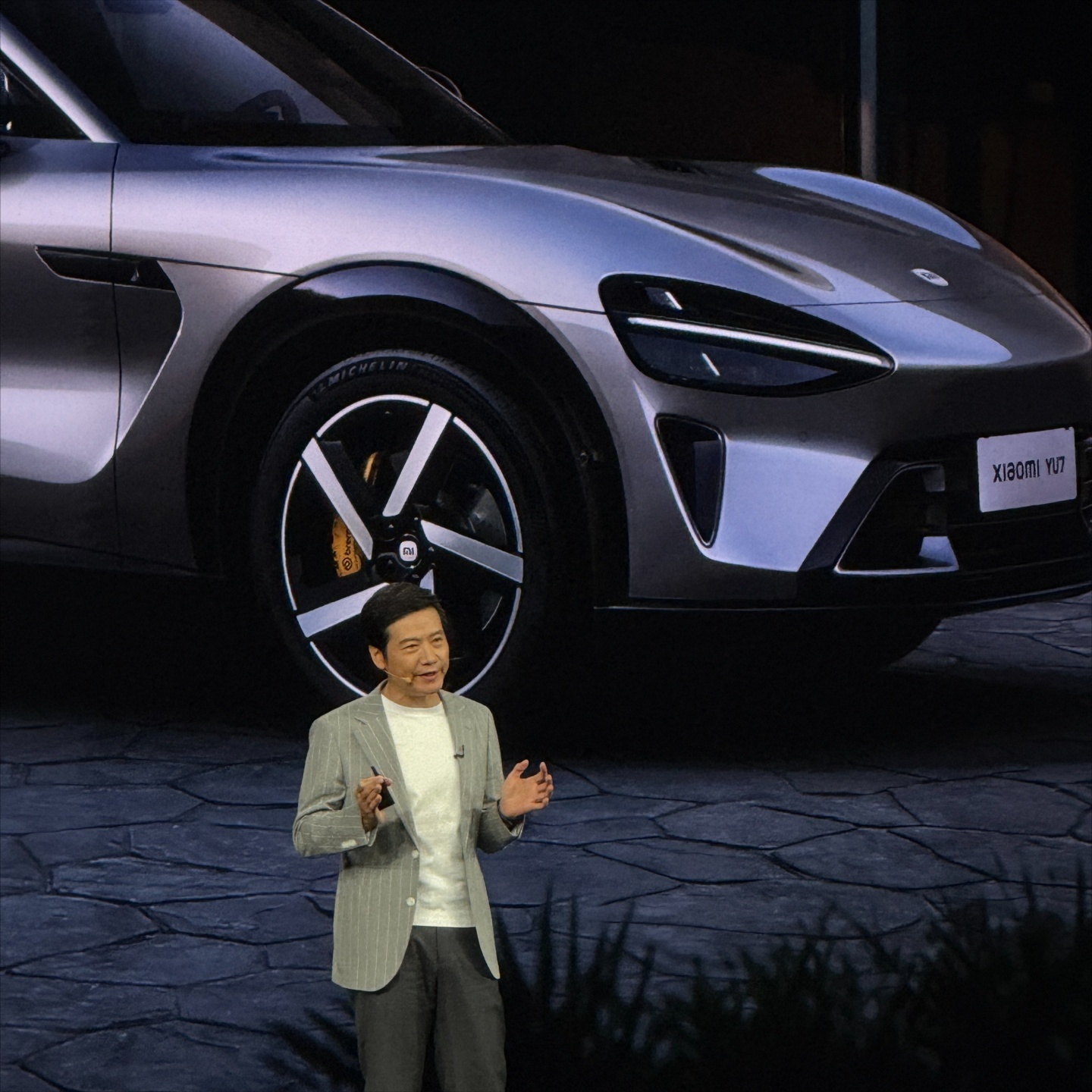
PostsLei Jun made the right choice.

The chairs at the launch event were not comfortable. When Xu Fei handed the stage over to Lei Jun, everyone rushed back to their seats from the outer area, quietly awaiting the most important product launch of the evening.
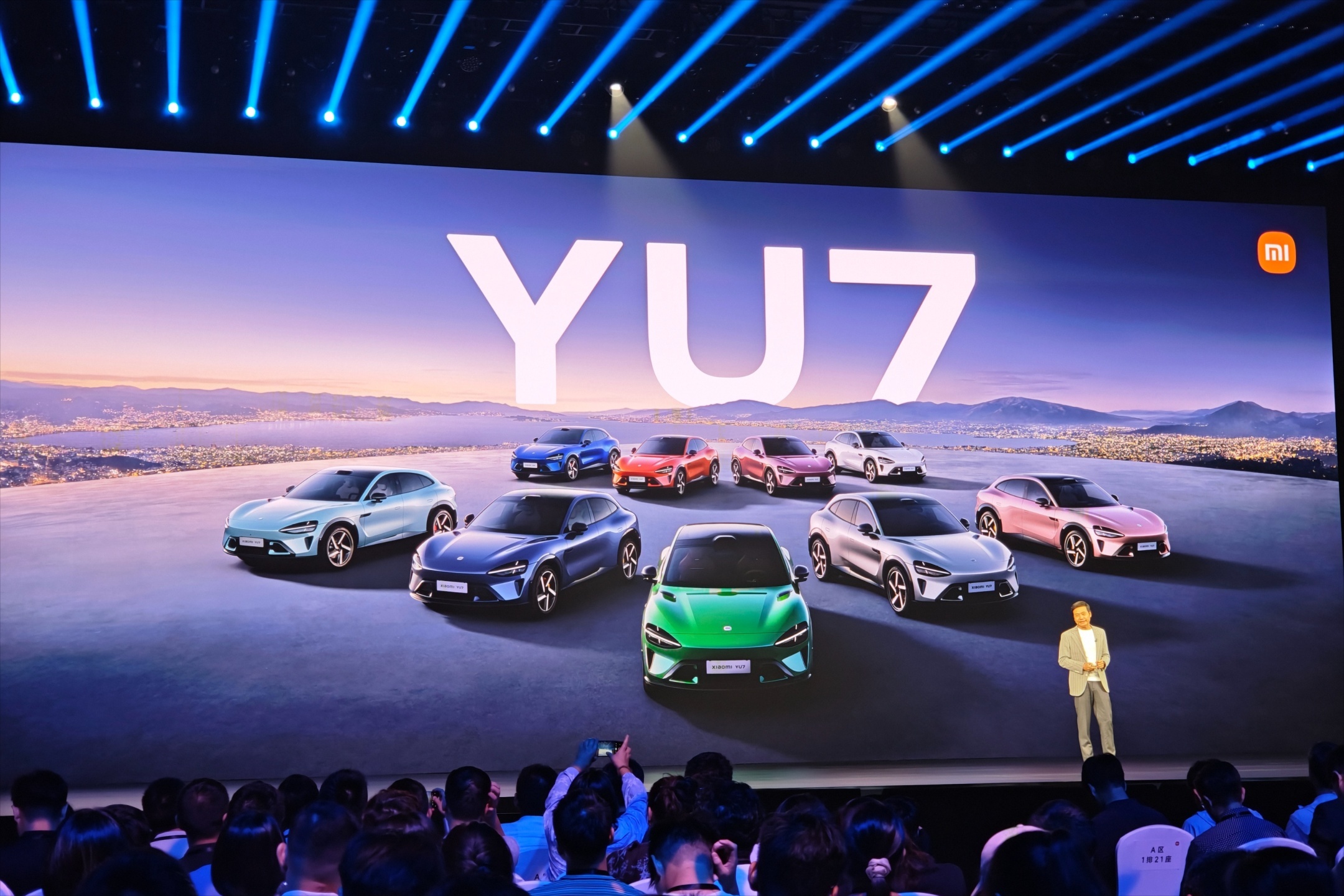
To be honest, I don’t remember much about the first half of the YU7 product features, but I clearly recall one specification. In the section on Xiaomi’s assisted driving, the 700TOPS NVIDIA Thor chip, LiDAR, 4D millimeter-wave radar, and the vehicle’s 11 high-definition cameras and 12 ultrasonic radars are all standard across the lineup.
In an article before the YU7 launch, I mentioned that for the YU7 to challenge becoming one of the highest-quality and safest models globally, it must block out external noise. While other automakers are slashing prices and adopting low-spec-for-sales strategies, Xiaomi must stay clear-headed—its goal is not the present but the vast future.
This time, Xiaomi has put tremendous effort into both active and passive safety. The combination of LiDAR and camera vision helps the algorithm recognize complex road scenarios, such as road signs at intersections. Visual systems can more easily capture text, aiding driving decisions, while LiDAR scans obstacles for better avoidance performance.
Equipping the base model with LiDAR as standard reflects Xiaomi’s commitment to automotive safety. This isn’t just a slogan—it’s a choice the project lead had to make with real financial investment.
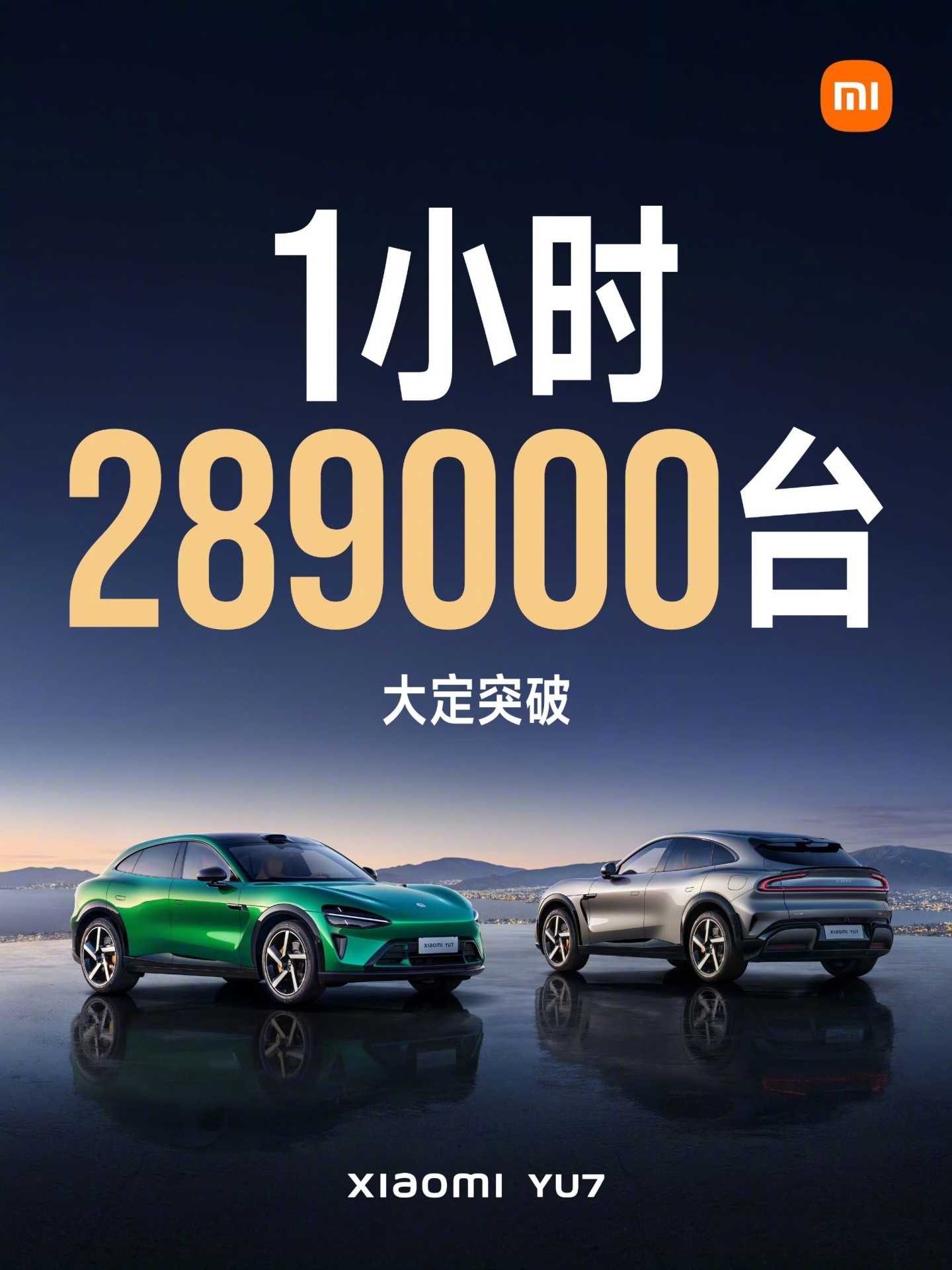
That night, Xiaomi reported 200,000 pre-orders in 3 minutes and 289,000 pre-orders in 1 hour.
When Lei Jun’s special assistant, Xu Jieyun, reported these figures, he even thought he’d misread an extra zero. I think anyone who’s followed Xiaomi long-term could predict the YU7’s success, but no one expected it to happen this fast—even Lei Jun himself seemed surprised by the sudden wave of happiness.
The starting price of 253,500 yuan isn’t cheap for an SUV, competing directly with the global bestseller Model Y and the Li Auto L series. In other words, this is the most fiercely contested battleground for new automakers, balancing sales and product strength.
Looking back, what did the YU7 do right? Two words: genuine quality.
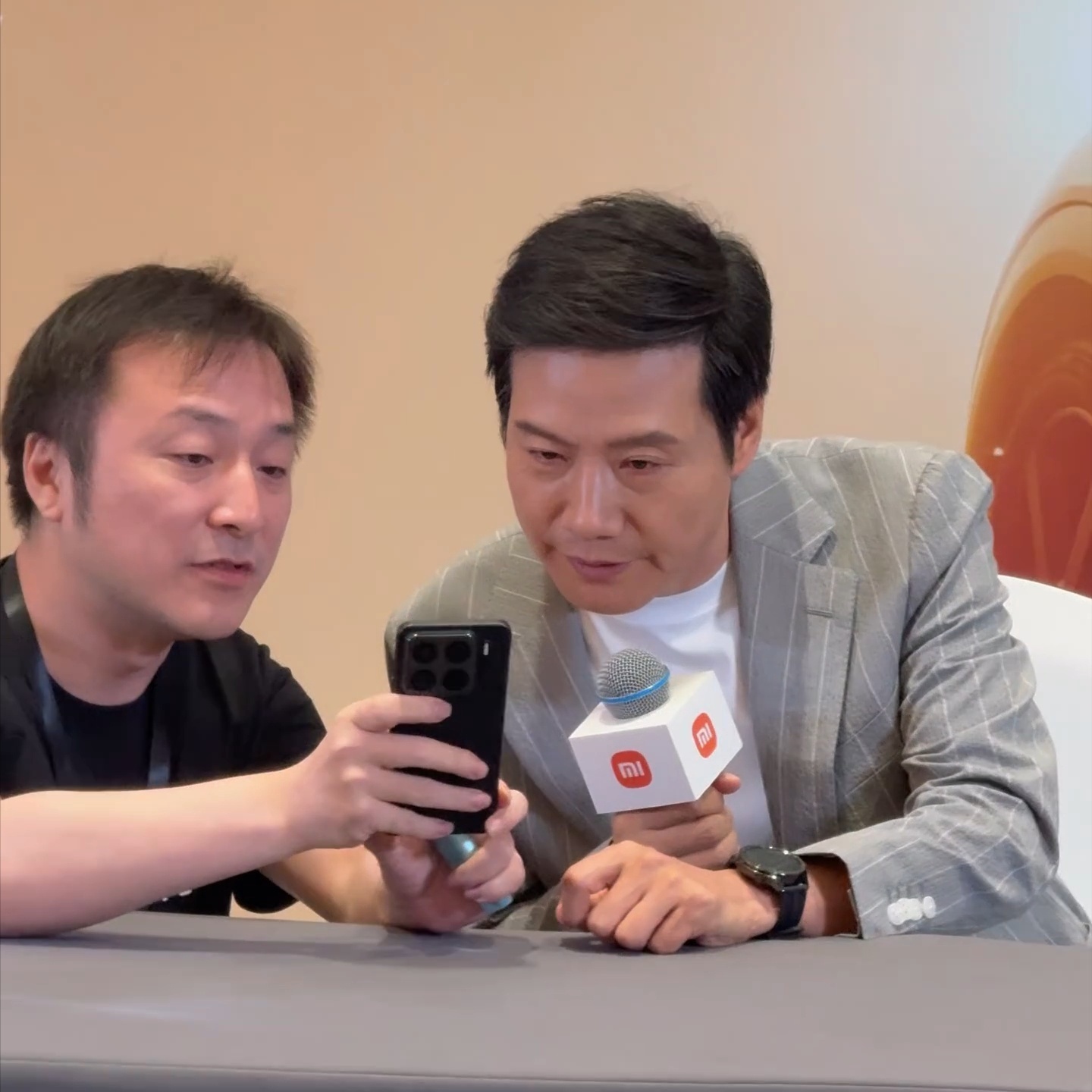
In Xiaomi’s early days, Lei Jun often cited the century-old Tongrentang as a model: “No matter how tedious the process, we dare not skimp on effort; no matter how costly the ingredients, we dare not cut corners.”
For the YU7, the design addresses most user concerns, from magnetic tissue storage to the HUD’s HyperVision sky-screen interface. This reflects Lei Jun and Xiaomi’s genuine respect for users.
Humans are complex yet simple—easily moved by sincerity, honesty, and kindness. These values resonate deeply, creating connections.
Most users haven’t test-driven the YU7 yet, making these “blind orders.” Beyond trust, what else could explain this miracle?
From Lei Jun’s return in May, calling it his toughest month, to the YU7’s triumph today, Xiaomi made the right choices.
Recently, Southern Finance asked me about Xiaomi’s challenges. My answer was simple: No one’s perfect; everyone makes mistakes.
From the “Pangu setback” in his 20s to his 40s epiphany—“go with the flow”—Lei Jun has always been a persistent engineer, facing problems head-on.
Years later, I realized “go with the flow” wasn’t for others—it was for his younger self: Let go of obsession to become better.
June 27, Mars, Qinghe.
$XIAOMI-W(01810.HK)
The copyright of this article belongs to the original author/organization.
The views expressed herein are solely those of the author and do not reflect the stance of the platform. The content is intended for investment reference purposes only and shall not be considered as investment advice. Please contact us if you have any questions or suggestions regarding the content services provided by the platform.
