

 Likes Received
 Posts
PostsMARS Observation | Xiaomi Group Q2 Earnings Report - At the Crest of the Wave, Some Waiting and Patience Are Needed

In 2018, Tesla released its first-quarter financial report, with total revenue of $3.41 billion, a net loss of $780 million, and total liabilities reaching $9.4 billion. Wall Street initiated a countdown titled "Tesla Bankruptcy," and financial elites, after meticulous calculations, concluded that Tesla's cash flow wouldn't last until the end of the year.
Elon Musk ignored the external noise and chose to move his mattress directly to the factory, personally overseeing operations on the front lines and solving problems on the assembly line. The rest of the story is familiar to us: Tesla achieved a production ramp-up of 140,000 Model 3 vehicles that year and, in 2019-2020, topped the global sales charts for SUVs with the Model Y, creating a tenfold commercial miracle.
Which is more important: orders or production capacity?
If you ask seasoned professionals in manufacturing, you’ll likely get one answer: orders determine whether a product succeeds, while production capacity only affects the speed of that process.
The issue of delivery times has been mentioned repeatedly before, and this process is more of a happy problem. As part of Xiaomi Auto's marketing and service team, we should empathize with prospective car owners' emotions during this period and provide concrete solutions to their reasonable demands.
Today, China's new energy vehicle industry, whether in terms of supply chain standards or the overall quality of engineers involved, is on par with any country or region in the world. But looking at the global automotive market, every era has its "good cars," and only "iconic cars" can break through and create immense wealth value.
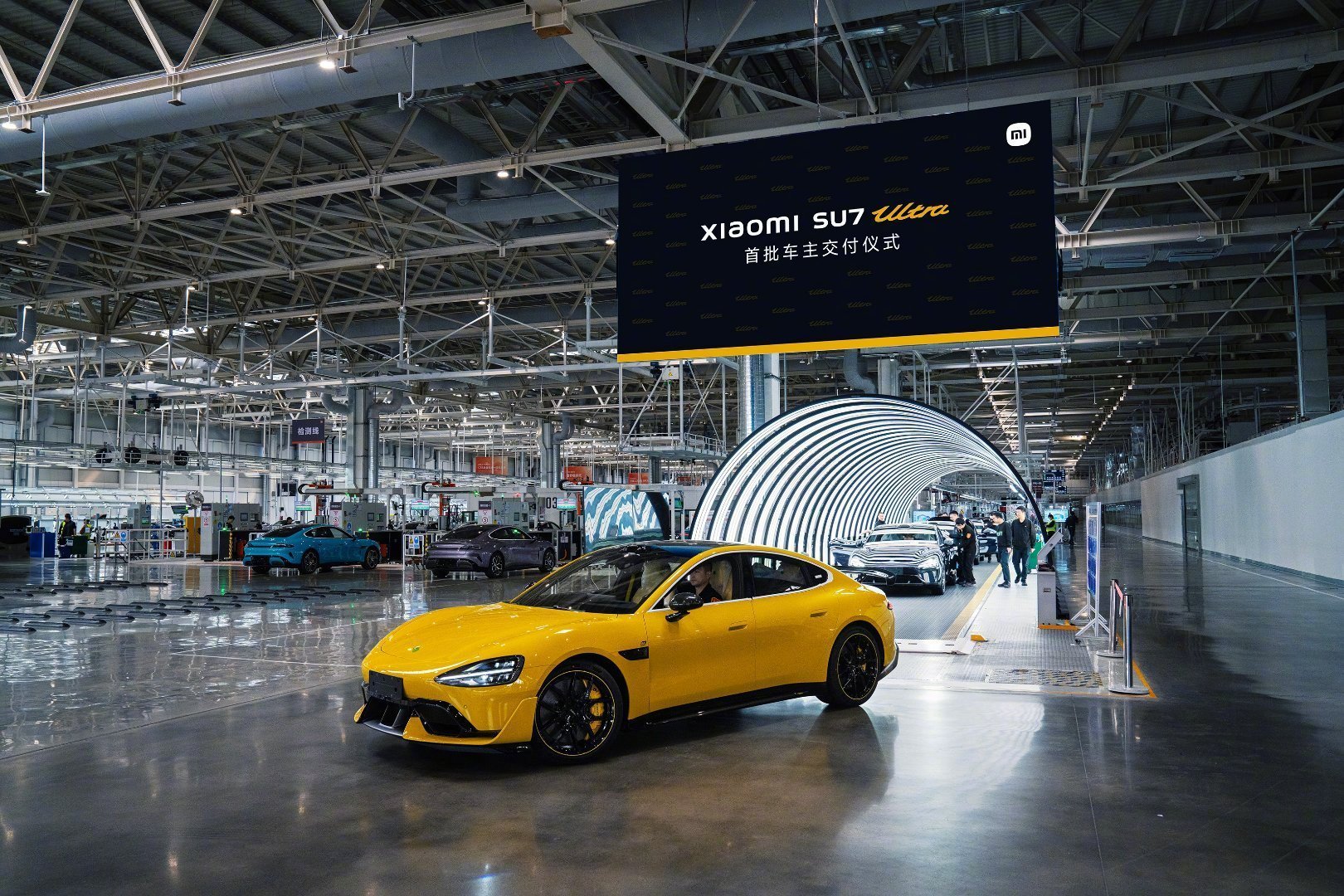
The first half of electrification had the Model Y, and the second half has the YU7
From a broader perspective, the success of YU7 provides a new solution for all new carmakers: as long as the product is strong enough, Tesla is not invincible. With the launch of more 5-seat and 6-seat models, consumer choices are becoming more diverse. From Leapmotor and XPeng to Xiaomi and Li Auto, the smart EV market is moving beyond "internal competition" and entering a golden era of industry-wide development.
As for the gross margin and profitability timeline of the auto business, short-term impacts from capacity expansion and larger R&D investments mean it hasn’t yet entered the mature phase requiring refined management. Profit is the premium of product success. Instead of focusing on the result, more effort should be spent tracing design philosophy and user positioning—these are the direct factors determining a carmaker's survival.

The decline in smartphone sales is more affected by seasonal factors
Q2 is the off-season for the smartphone industry. On one hand, the post-Lunar New Year replacement wave has just passed, and Q3’s 618 promotions and autumn product launches aren’t yet reflected. Consumer enthusiasm for upgrades isn’t as high as in other quarters. This isn’t a structural issue with Xiaomi’s smartphone business. The Xiaomi 15 series remains a flagship model in the company’s high-end transformation, with significant improvements in both hardware and software compared to its predecessors.
Long-term, the transformation of Xiaomi’s smartphone profit structure is a bigger challenge
In the early days of mobile internet, the business model of subsidizing low-margin hardware with high-margin software ads (e.g., splash screens) is no longer sustainable. The homogenization of Android flagship phones is also a long-standing issue.
In actual purchases, whether for the main models (Xiaomi 15 & 15 Pro) or the premium flagship (Xiaomi 15 Ultra), the most emphasized upgrades are in imaging. But users define "premium" more broadly—beyond cameras, holistic experience upgrades should be the goal for OEMs.
The decisive factors lie in the OS and chips
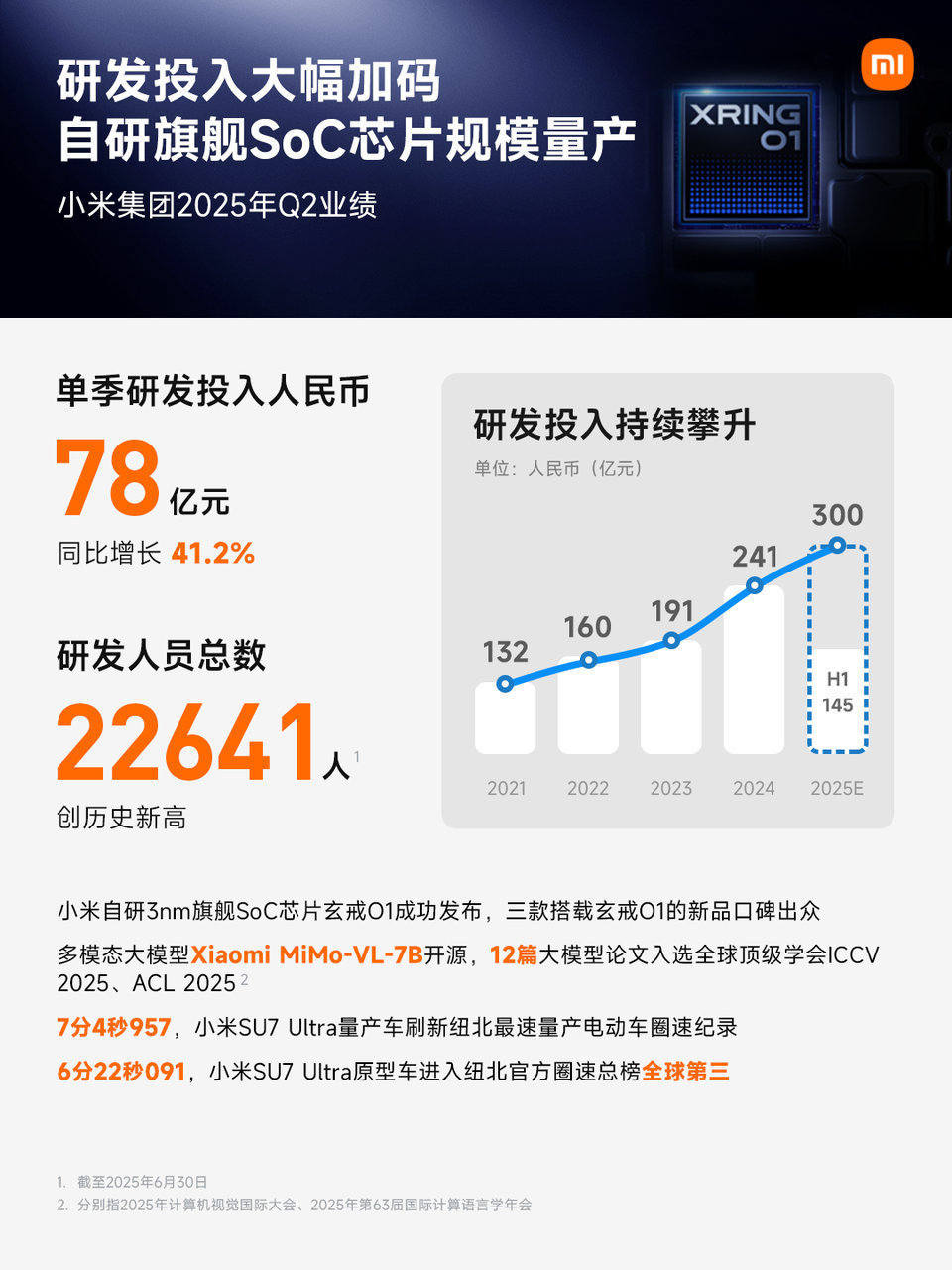
I believe Lei Jun understands the importance of these two better than anyone. But both OS and chip development require long-term investment—there’s no such thing as "brute force creating miracles." A long runway, dedicated resources, and agile iteration are becoming Xiaomi’s strongest moat.
A person can only have one destiny
As investors, we’re fortunate that Lei Jun remains deeply committed to his work, willing to devote almost all his time and energy to balancing business and artistry. Whether in public speeches or anecdotes from other business leaders, it’s clear he genuinely loves what he does.
If Lei Jun were to drop everything today and retire to Hawaii, vanishing from the public eye, I think that would be his "greatest punishment."
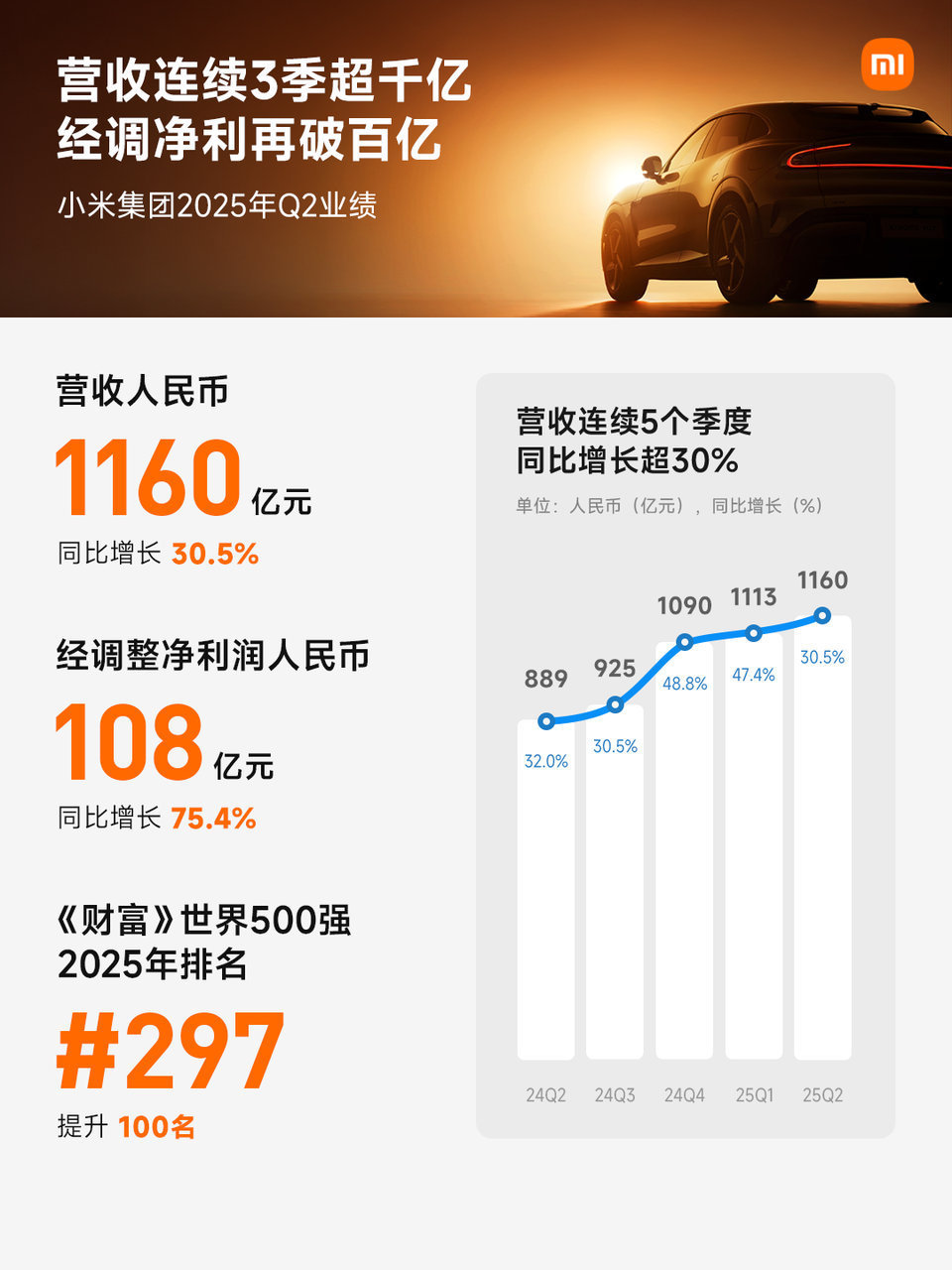
For Xiaomi today, the key question has shifted from "whether to make money" to "whether to make fast or slow money."
The hardest part of business is building consensus. No one doubts the commercial value of Labubu or Mixue Ice City now, but disagreement was the longer night before. Having crossed that night, Xiaomi—now a consensus—will enter a new phase, scrutinized anew by all.
On the stock price
We can’t blame short-sighted capital for making "top/bottom" calls based on daily financial metrics. Market flexibility is part of its evolution. All we can do is return to our original intent and confront our own desires.
Xiaomi’s changes and constants can’t be fully explained in a single earnings report. Though countless short-term traders flit in and out of Xiaomi discussion groups, not a single member has left the core Xiaomi investor community I manage (with over 10M AUM). Talking to long-term Xiaomi shareholders, you’ll sense the unique charm of its investors.
As the title says, at the peak of the smart EV revolution, a little more patience will be rewarded. Time repays every honest value investment.
August 20, Mars at Qinghe.
$XIAOMI-W(01810.HK)
The copyright of this article belongs to the original author/organization.
The views expressed herein are solely those of the author and do not reflect the stance of the platform. The content is intended for investment reference purposes only and shall not be considered as investment advice. Please contact us if you have any questions or suggestions regarding the content services provided by the platform.
