

The Coca-Cola: "Bulk Soda", Drinking Your Way to Steady Happiness?

$Coca Cola(KO.US) The "world's top consumer stock" Coca-Cola (KO) released its Q3 2025 financial report (ending September 2025) before the U.S. stock market opened on the evening of October 21, 2025, Beijing time.
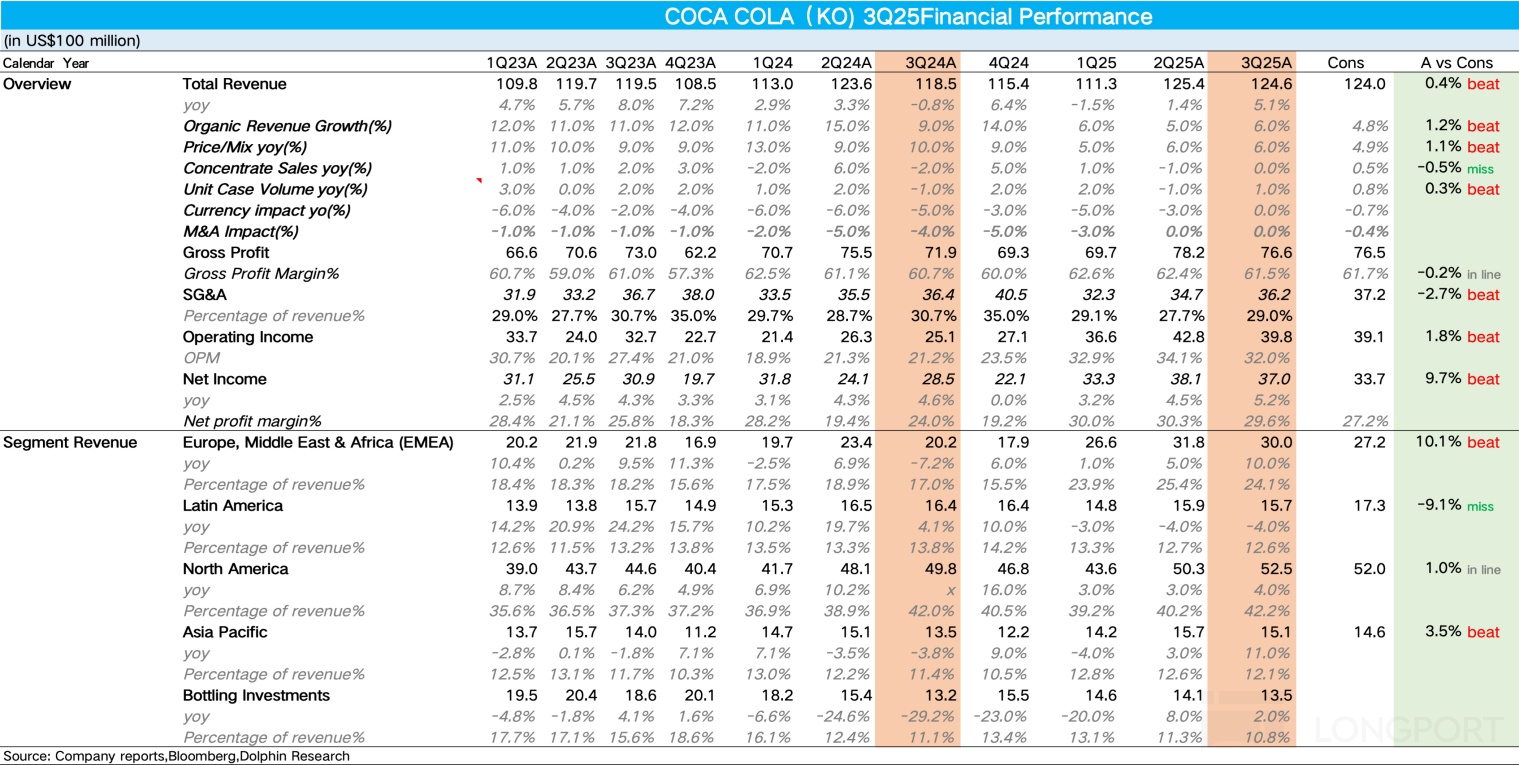
- Sales bid farewell to negative growth. In 3Q25, Coca-Cola achieved an apparent revenue of $12.46 billion, a year-on-year increase of 5.1%, slightly exceeding the market consensus. Among them, organic revenue grew by 6% year-on-year. In terms of volume and price breakdown, compared to the negative growth in sales in the first half of the year, the company actively launched smaller cans and eco-friendly packaging with lower single purchase prices for consumers with impaired purchasing power starting in the third quarter, ultimately resulting in flat concentrate sales year-on-year. On the pricing side, as the core engine of the company's organic growth, through the increased proportion of high-priced products (including zero-sugar and functional health drinks) in the product mix, concentrate prices rose by 6% year-on-year.
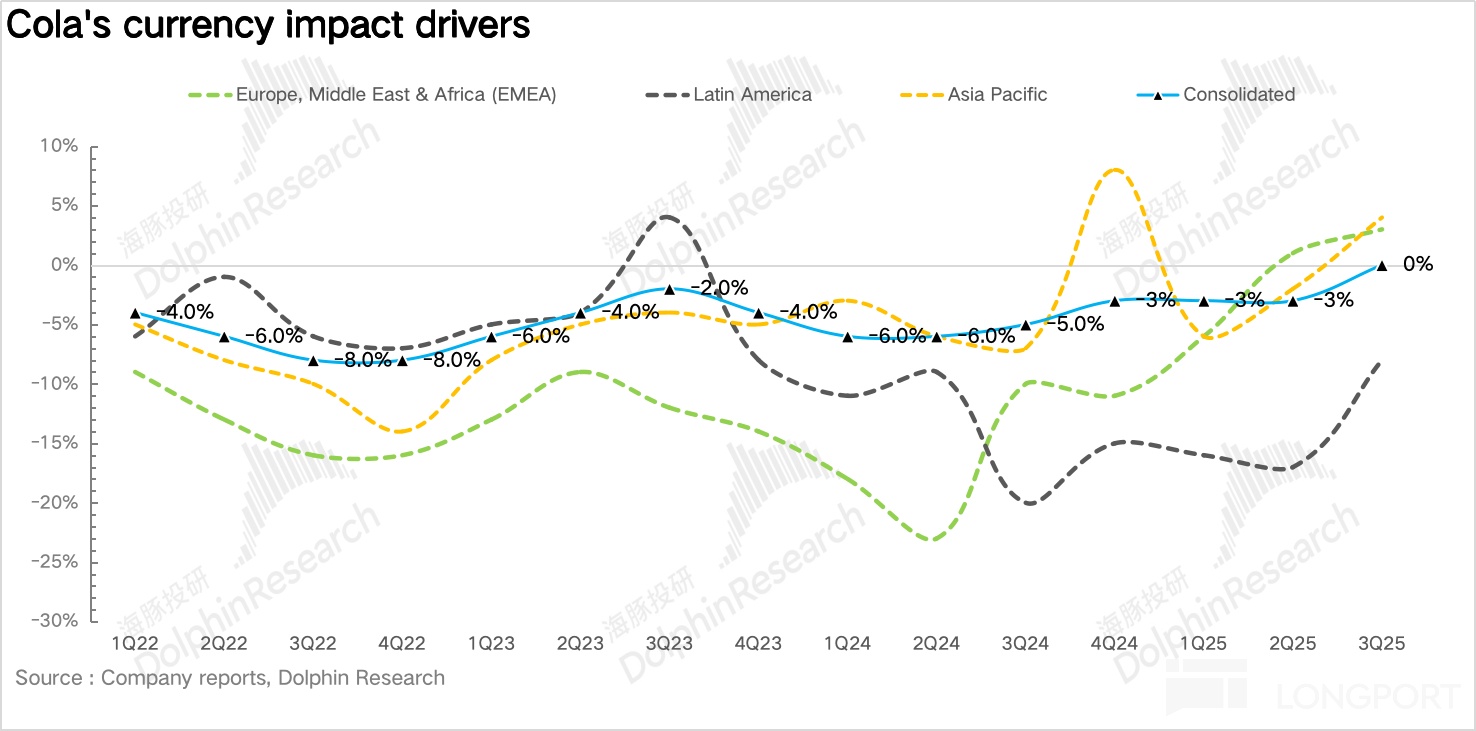
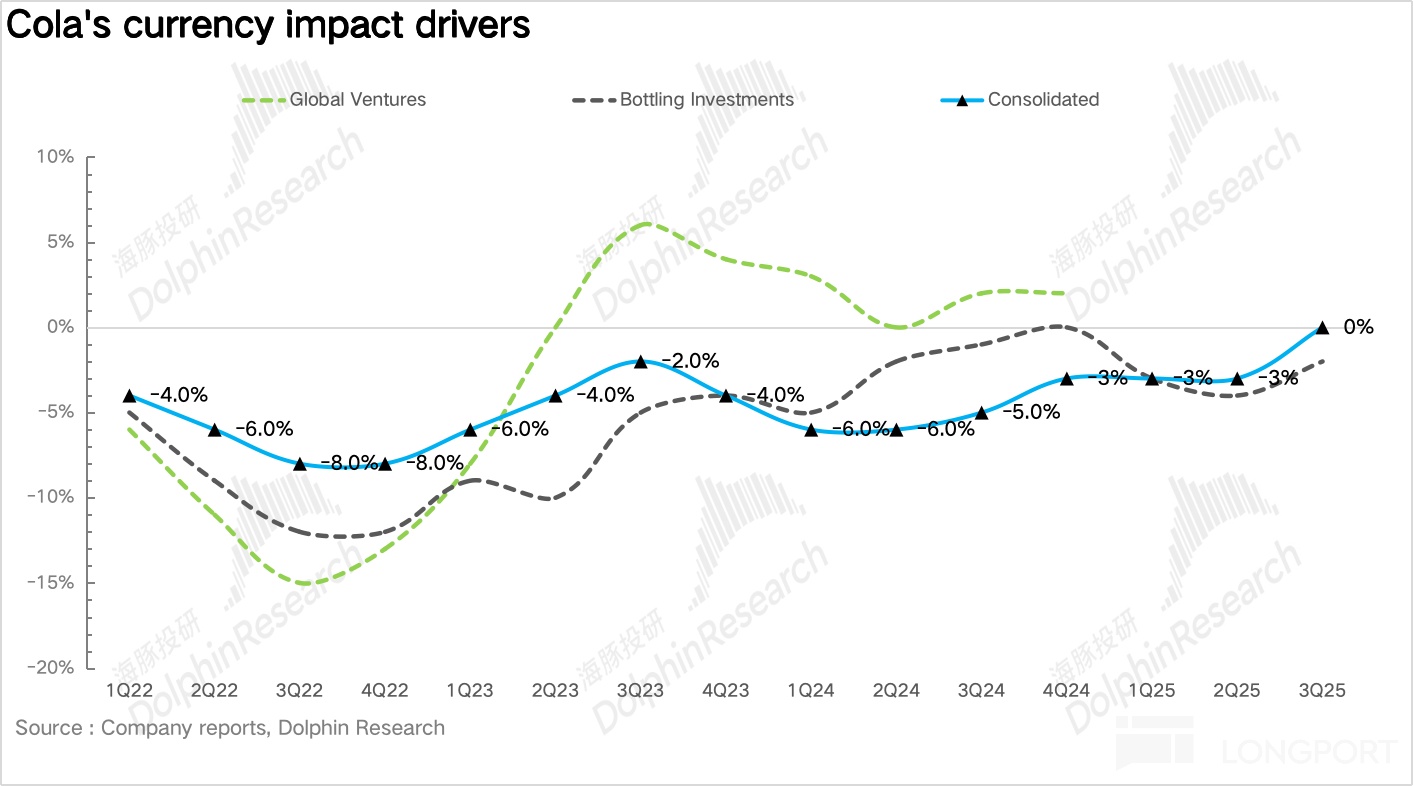
Additionally, with the continuous decline of the U.S. dollar index (down more than 12% year-to-date), the impact of foreign exchange headwinds narrowed from -5% in the same period last year to 0%.
2. Strong performance in the Asia-Pacific region. Regionally, apart from the Latin American region where growth slowed due to a high base in the same period last year, other regions accelerated compared to the second quarter, with the Asia-Pacific region's growth rate increasing to 7% quarter-on-quarter, making it the most outstanding performer among all regions. Dolphin Research speculates that the core reason is the increased deployment of refrigerators in China during the peak season, effectively promoting the improvement of consumption conversion rates.
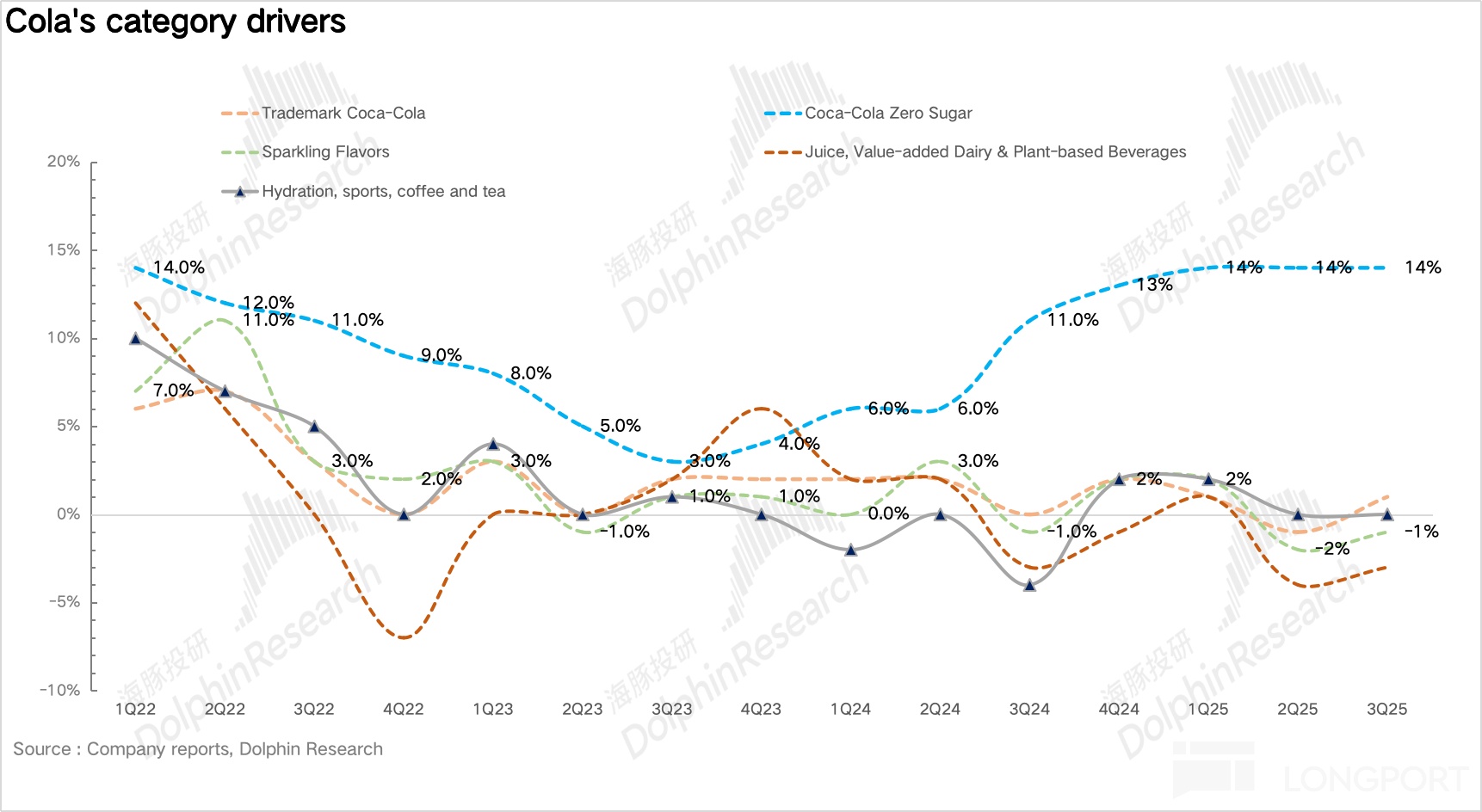
3. Continued high growth of sugar-free cola. In terms of categories, with the global trend of reducing sugar and the continuous enhancement of health-conscious eating, sugar-free cola continues to show explosive growth, with a year-on-year increase of 14%, maintaining double-digit growth for five consecutive quarters, far exceeding the growth of classic cola (1% year-on-year) and other carbonated drinks (down 1% year-on-year), making it the most outstanding sub-category in the carbonated drinks category. Additionally, with the advancement of Coca-Cola's health strategy, categories related to health, including ready-to-drink tea (Fuze Tea), sports drinks (Powerade+BODYARMOR), and ultra-filtered milk (Fairlife), all performed excellently, far exceeding the industry average.
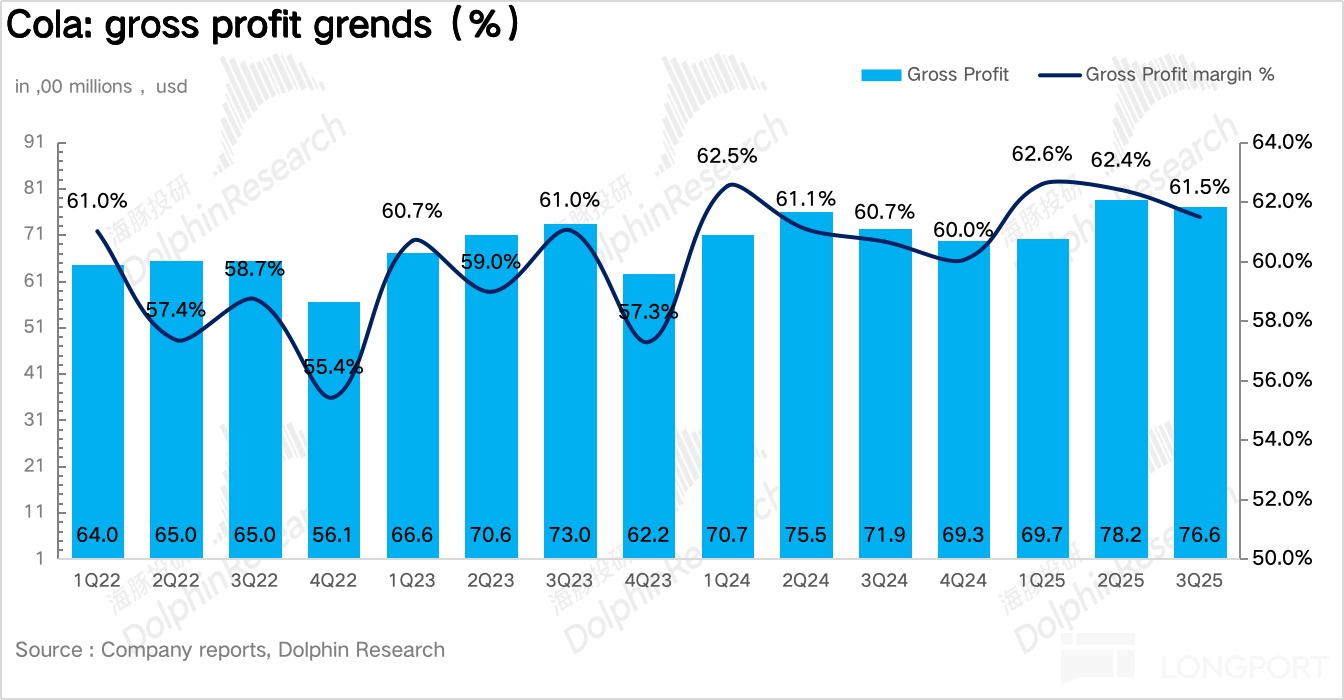
4. Continuous improvement in profitability: In terms of gross margin, on one hand, the prices of Coca-Cola's core raw materials (corn syrup, aluminum, PET chips) gradually declined, coupled with product structure improvement, the overall gross margin increased by 0.8 percentage points year-on-year, reaching 61.5%.
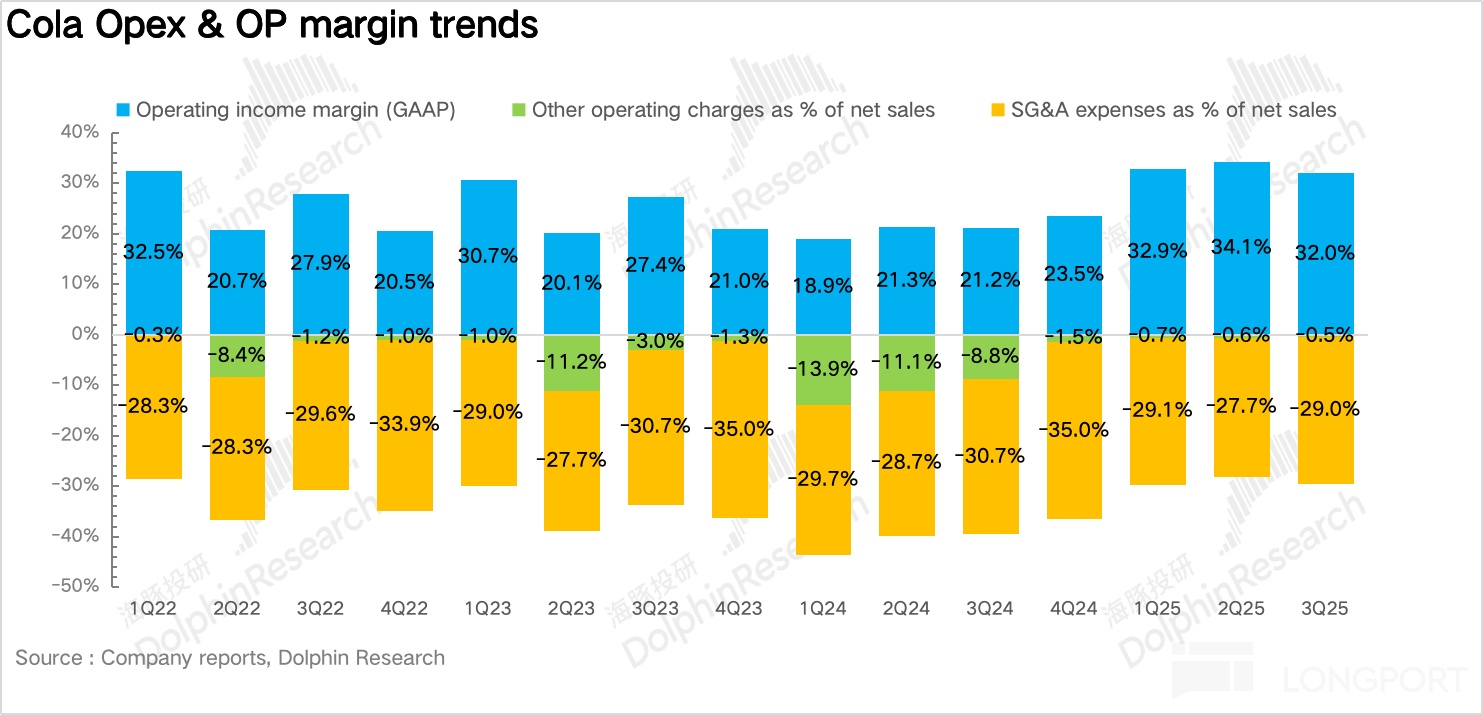
On the expense side, although the company increased channel and market expenses to support new product launches during the peak season, thanks to the company's continuous application of AI in advertising, production, logistics, customer operations, and other processes, achieving substantial improvements in time efficiency and cost structure, the improvement in operational efficiency led to a slight decrease in the overall expense ratio by 1.7 percentage points to 29%, ultimately achieving a core operating profit margin of 32%, exceeding market expectations.
5. Performance guidance: The company expects to achieve organic growth of 5%-6% for the full year 2025, in line with previous expectations.
6. Overview of financial indicators
Dolphin Research's overall view:
Due to the company's disclosure in a small-scale exchange in September that the third quarter in some markets (Mexico, India, Thailand) was affected by geopolitical and economic downturns, sales continued the weak trend of the second quarter, leading major banks to recently lower their performance forecasts for Coca-Cola's third quarter. However, the actual financial report data still demonstrated Coca-Cola's overall strong operational resilience and brand strength.
Specifically, from the perspective of volume and price breakdown, although price remains the core growth engine for Coca-Cola at this stage, from the perspective of expectation differences, the volume side actually exceeded expectations more.
In terms of sales, for price-sensitive consumers with impaired purchasing power, Coca-Cola, on one hand, promoted recyclable packaging (lower price) on a large scale in several key global markets, including Latin America, India, Southeast Asia, and parts of Europe, and launched smaller single-can sizes (220ml/180ml) during the summer consumption peak, lowering the threshold for consumers' single purchase (unlike previous mini cans that were mostly sold in bundled combinations, consumers can now purchase single cans in convenience stores and other channels). Based on conference call information, the current sales results show that mini single cans performed well and did not impact large-packaged products.
From Dolphin Research's perspective, with the popularization of GLP-1 weight loss drugs in North America and the enhancement of sugar reduction awareness, unlike the zero-sugar version, small packaging not only offers a lower single purchase price for consumers but also addresses the pain point of some consumers needing "moderate indulgence," allowing consumers to reduce the guilt of consuming too much sugar at once without changing the taste.
Additionally, in the marketing segment, Coca-Cola re-launched the "Share a Coke" campaign,
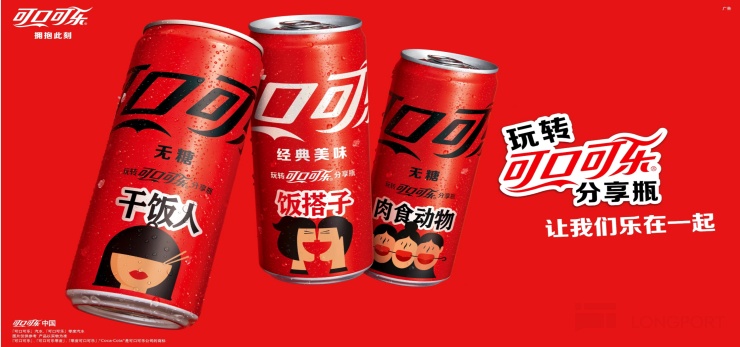
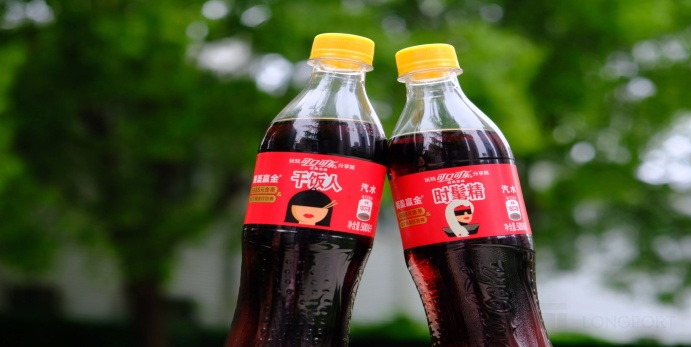
featuring popular social terms such as "I person," "E person," "comedian," "atmosphere group," using Coca-Cola bottles as a medium to provide young people with a relaxed and authentic social icebreaker tool, establishing deeper interactions with young people.
In terms of pricing, due to the general slowdown of inflation globally, Coca-Cola avoided universal, large-scale public price increases in most markets, instead utilizing AI tools to implement differentiated pricing and promotions across different channels, regions, and even stores, achieving an overall price increase without affecting sales.
Looking ahead to the fourth quarter and 2026, Coca-Cola's growth path is also clear, continuing to follow the "De-averaging" approach, using AI as an aid to conduct refined operations in different regions and channels.
Finally, from a valuation perspective, after the previous correction, Coca-Cola's corresponding 2026 valuation is only 23x, already below the average level of the past 10 years (25x). Coupled with the recent continuous decline in the 10-year U.S. Treasury yield, Dolphin Research believes that the current position still has a certain cost-effectiveness.
I. Investment Logic Framework
According to Coca-Cola's disclosure, the company's apparent revenue growth can be broken down into five major departments: Europe, Middle East & Africa (EMEA), Latin America, North America, Asia-Pacific, and Bottling Investments, with each department's revenue growth further broken down into organic revenue growth, structural impact (M&A), and foreign exchange impact.
(1) Among them, the four departments of Europe, Middle East & Africa (EMEA), Latin America, North America, and Asia-Pacific are divided by geographic region, with most of the revenue coming from the sale of concentrates to franchised bottlers, and a minority from the sale of some finished beverages.
(2) The Global Ventures division, newly established by Coca-Cola in 2019, focuses on acquiring potential brands globally to expand its business scope. Currently, the division's revenue includes the performance of acquired businesses such as Costa (coffee), innocent (healthy drinks including plant-based milk, coconut water, NFC juice, etc.), and doğadan (tea), as well as revenue from distribution agreements with Monster. The performance of the Global Ventures division is no longer disclosed separately.
(3) The Bottling Investments division consists of Coca-Cola's bottling business holdings worldwide, with most of the revenue coming from the manufacturing and sale of finished beverages. Since this division is a capital-intensive business, its profitability is relatively low, so Coca-Cola has been gradually divesting it globally since 2015.
We will focus on Coca-Cola's organic revenue growth in the following text and analyze it by breaking it down into two driving factors: concentrate sales volume and price combination:
II. Sales bid farewell to negative growth
In 3Q25, Coca-Cola achieved an apparent revenue of $12.46 billion, a year-on-year increase of 5.1%, slightly exceeding the market consensus. Among them, organic revenue grew by 6% year-on-year.
In terms of volume and price breakdown, compared to the negative growth in sales in the first half of the year, the company actively launched smaller cans and eco-friendly packaging with lower single purchase prices for consumers with impaired purchasing power starting in the third quarter, ultimately resulting in flat concentrate sales year-on-year. On the pricing side, as the core engine of the company's organic growth, through the increased proportion of high-priced products (including zero-sugar and functional health drinks) in the product mix, concentrate prices rose by 6% year-on-year.
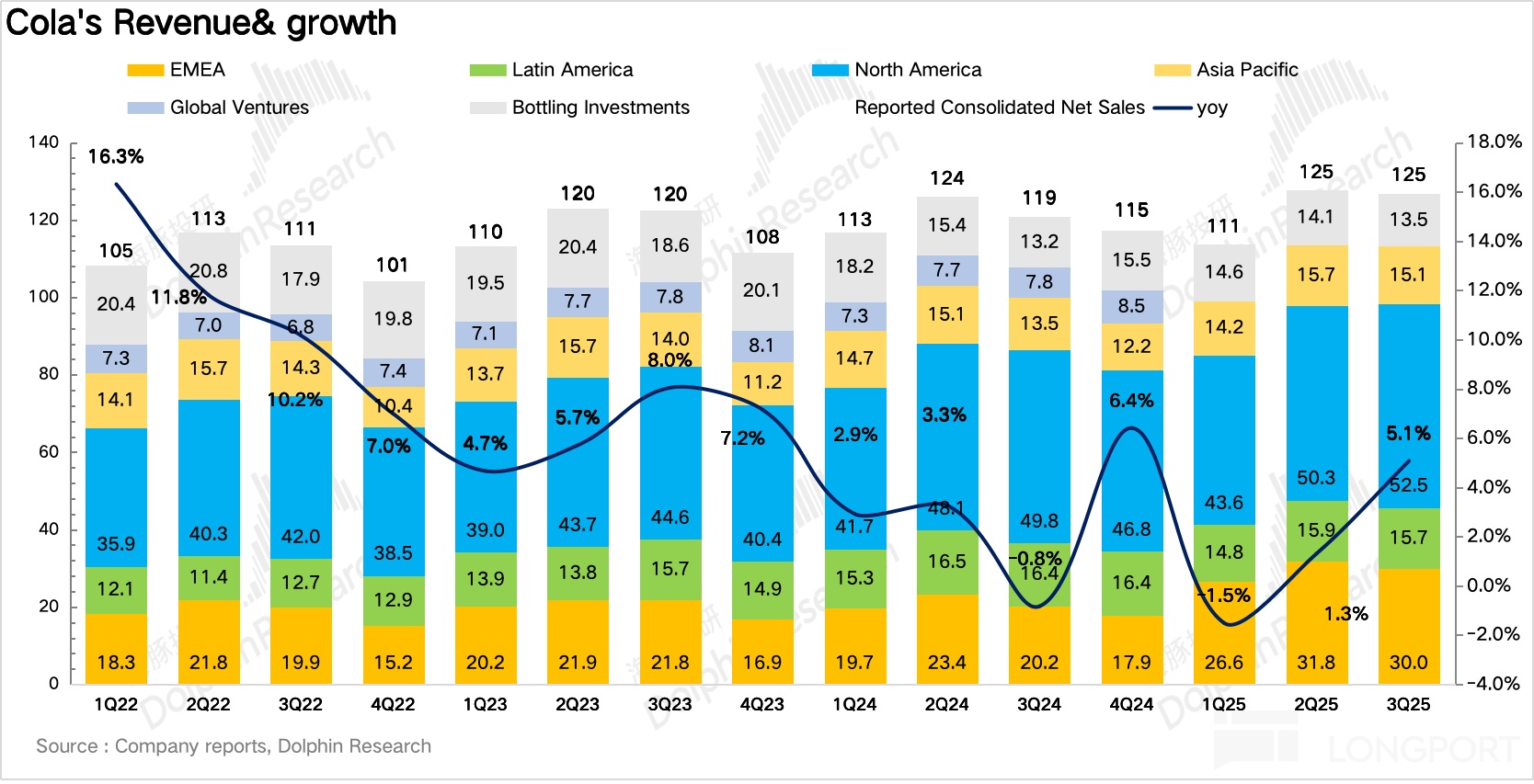
Regionally, Coca-Cola's home market in North America achieved revenue of $5.25 billion, a year-on-year increase of 4%, with water/sports drinks performing well, while the main carbonated category remained weak, reflecting the ongoing health transition among North American consumers. Additionally, it is worth noting that the sucrose formula version of Coca-Cola was officially launched in the U.S. in the third quarter. Compared to the traditional high-fructose corn syrup, although the cost is higher, the ingredients are more natural and simple, providing consumers with a differentiated experience.
EMEA, as Coca-Cola's second-largest revenue region, achieved revenue of $3 billion in the third quarter, a year-on-year increase of 10%, continuing the strong performance of the second quarter. The contribution of volume and price to overall performance was relatively balanced. In Europe, the performance was good, benefiting from tourism, outdoor consumption, and sports events, as well as a series of marketing activities launched by the company for the summer, while the Middle East region achieved recovery growth due to the weakening of geopolitical impacts, and the North African region remained under pressure due to macroeconomic deterioration.
The Latin American region achieved revenue of $1.57 billion, a year-on-year decrease of 4%, mainly due to macroeconomic factors such as high interest rates and slow income growth affecting consumer willingness in regions like Mexico and Colombia. Additionally, although foreign exchange headwinds eased somewhat in the third quarter, the Latin American region remains one of the main sources of structural headwinds for Coca-Cola globally.
The Asia-Pacific region achieved revenue of $1.51 billion, a year-on-year increase of 11%, with China benefiting from the accelerated deployment of refrigerators during the peak season and refined channel expansion, showing significant improvement compared to the second quarter, with outstanding sales performance. Meanwhile, the Southeast Asian region was the main drag on the Asia-Pacific region due to abnormal cold weather and typhoon impacts during the summer.
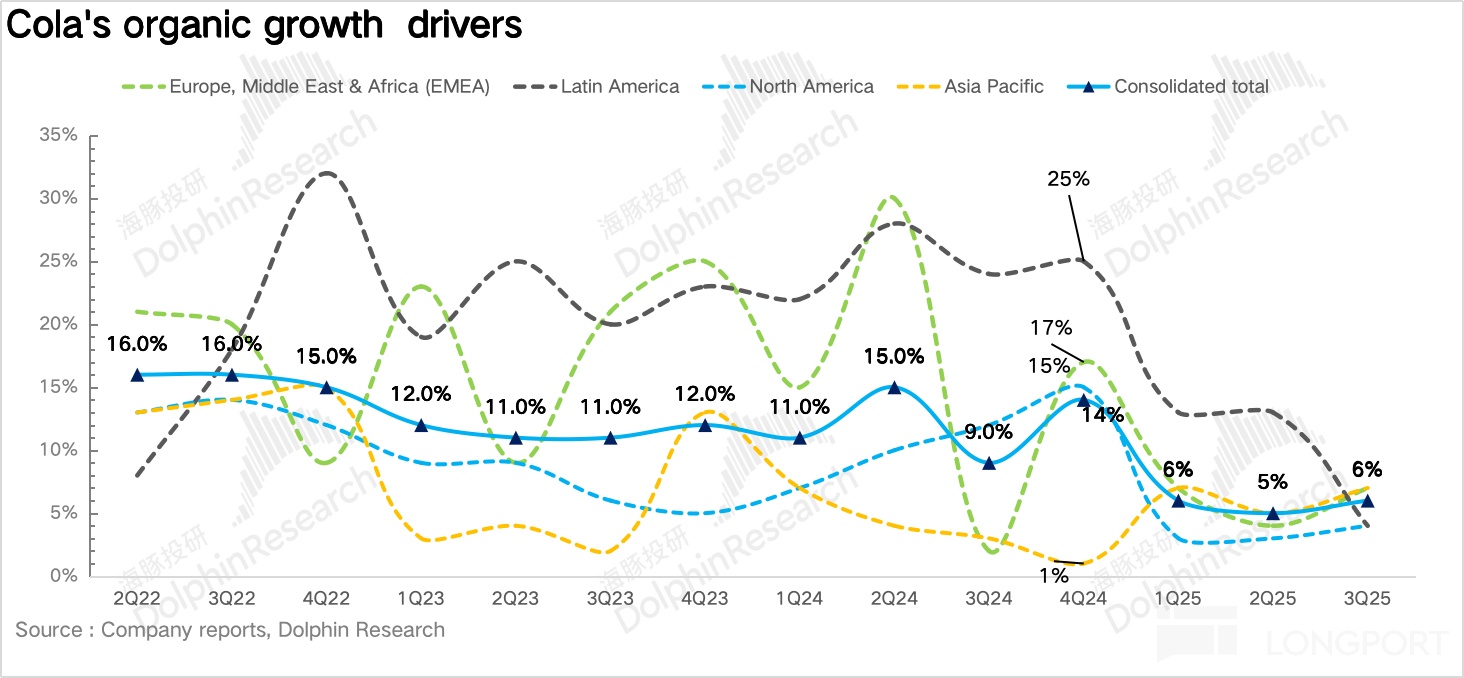
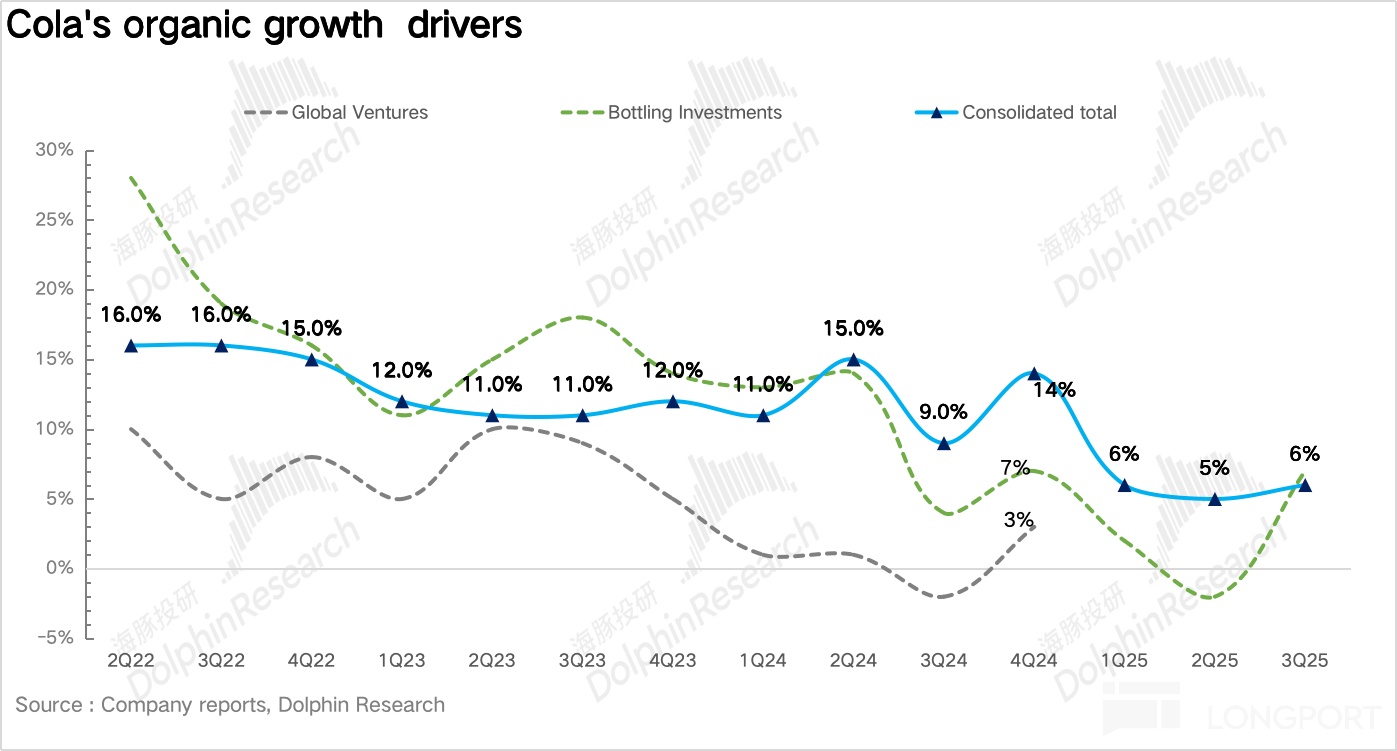
Volume: In 3Q25, concentrate sales were flat year-on-year, bidding farewell to negative growth. Categories related to health, including ready-to-drink tea (Fuze Tea), sports drinks (Powerade+BODYARMOR), and ultra-filtered milk (Fairlife), all performed excellently, far exceeding the industry average.
Specifically, in terms of category breakdown, for the carbonated drinks category, with the global trend of reducing sugar and the continuous enhancement of health-conscious eating, sugar-free cola continues to show explosive growth, with a year-on-year increase of 14%, maintaining double-digit growth for five consecutive quarters, far exceeding the growth of classic cola (1% year-on-year) and other carbonated drinks (down 1% year-on-year), making it the most outstanding sub-category in the carbonated drinks category.
Juices, value-added dairy products, and plant-based drinks declined by 3% year-on-year, with the decline narrowing quarter-on-quarter. Based on conference call information, ultra-filtered milk Fairlife, with its advantages of high calcium, high protein, and low lactose, maintained very strong growth in the health trend and is still in a state of supply shortage. Dolphin Research expects that with the commissioning of Coca-Cola's new factory in New York in early 2026, the capacity bottleneck will gradually ease, potentially driving Fairlife's sales to a new level, while traditional juices (Minute Maid, Qoo, etc.) have been labeled as unhealthy by consumers due to their high sugar content, with demand continuing to shrink.
The water category grew by 3% year-on-year, with high-end sparkling water brands like Smartwater and Topo Chico achieving growth globally through flavor innovation, but basic affordable water (Ice Dew) faced intense price competition, becoming the main drag.
Sports drinks grew by 3% year-on-year, with Powerade and Bodyarmor attracting more consumers by launching zero-sugar and electrolyte-added versions of new products. Sugar-free tea Fuze Tea, due to its inherent health attributes, is expanding well globally, but in some regions like China, it faces strong competition from Nongfu, resulting in a decline in market share.
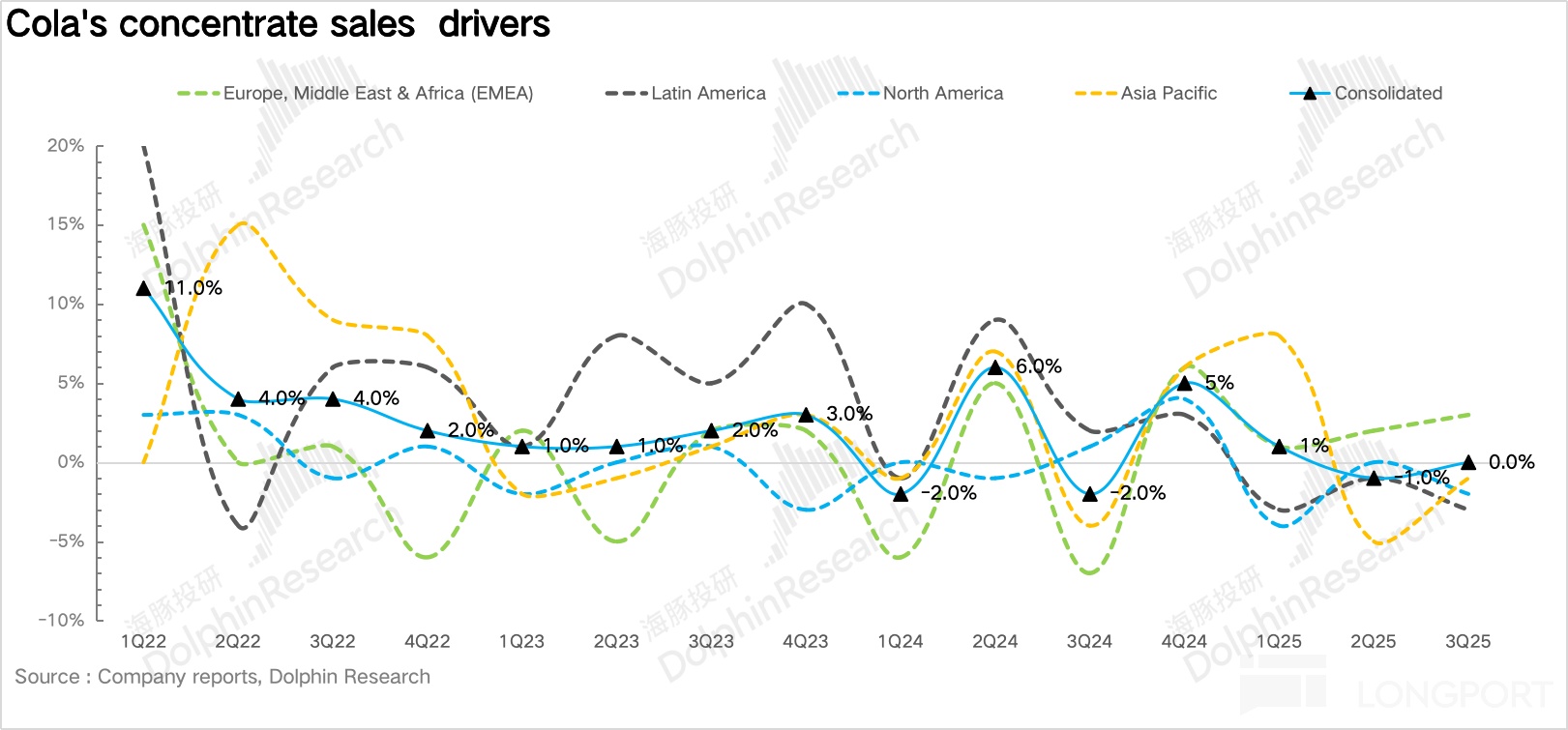
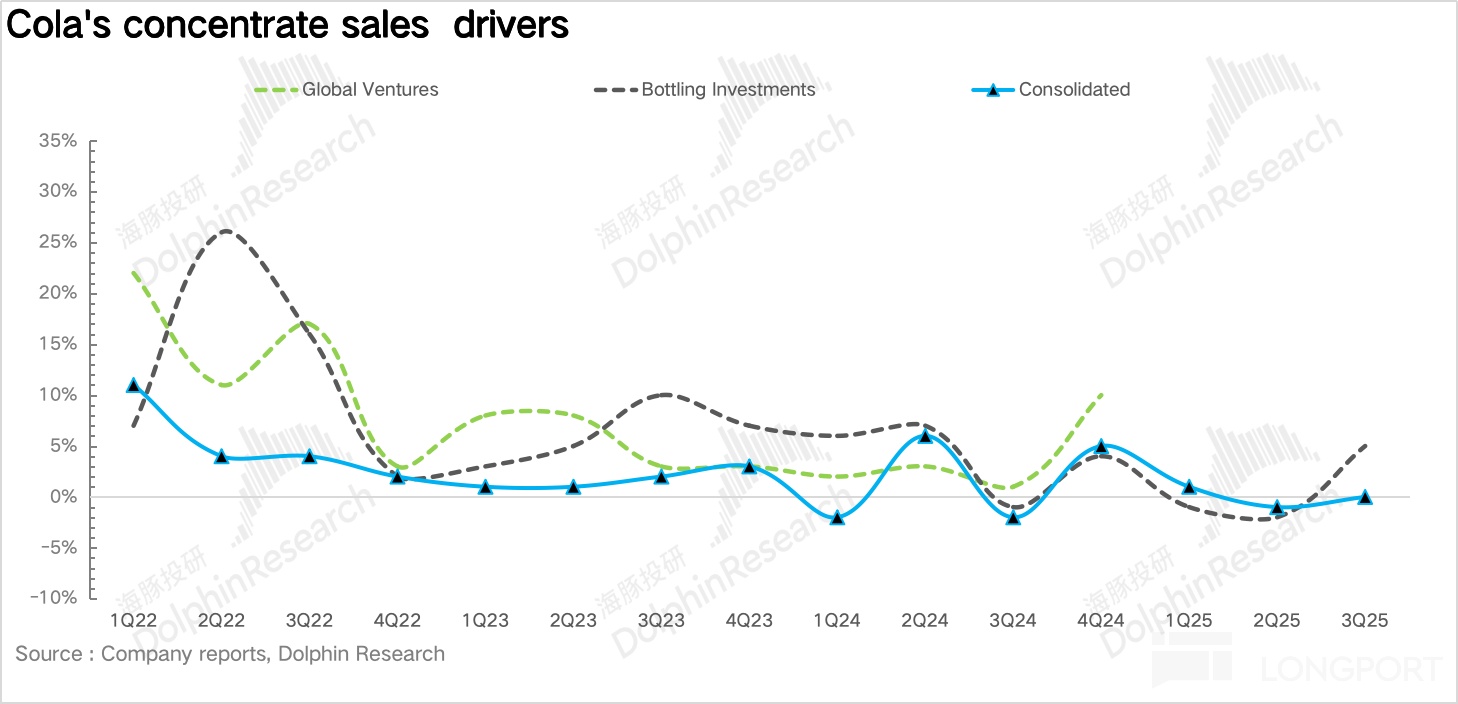
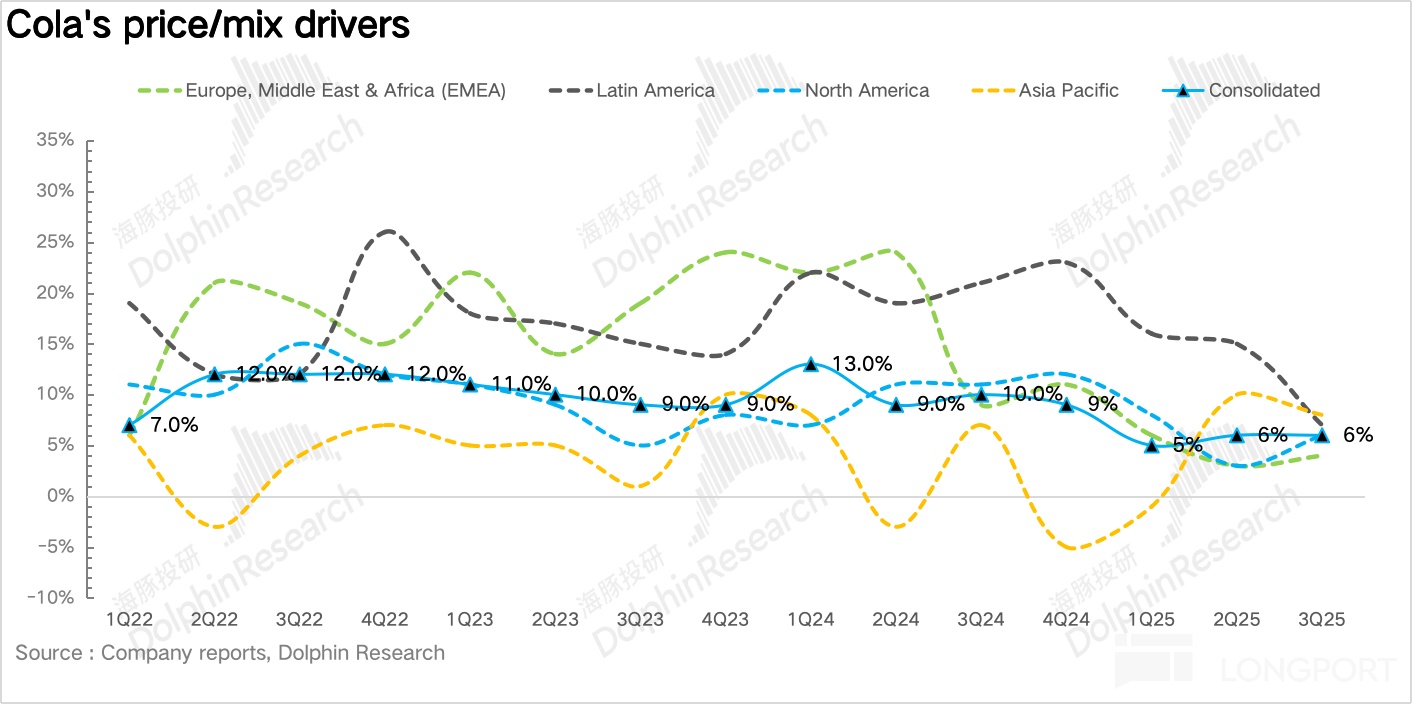
Price: In 3Q25, concentrate prices rose by 6% year-on-year, remaining a key driver of Coca-Cola's organic growth. Regionally, Latin America and the Asia-Pacific region were the main drivers of price increases, while North America and Europe saw a slight slowdown in price contributions due to high bases.
As for the reasons for the price increase, on one hand, it is due to the increased proportion of high-priced products in the product mix, including functional soda Simply Pop, ultra-filtered milk Fairlife, zero-sugar cola, etc. On the other hand, Coca-Cola increased the proportion of small-packaged beverages (with higher unit prices for small packages).
III. Continuous improvement in profitability
In terms of gross margin, on one hand, the prices of Coca-Cola's core raw materials (corn syrup, aluminum, PET chips) gradually declined, coupled with product structure improvement, the overall gross margin increased by 0.8 percentage points year-on-year, reaching 61.5%.
On the expense side, although the company increased channel and market expenses to support new product launches during the peak season, thanks to the company's continuous application of AI in advertising, production, logistics, customer operations, and other processes, achieving substantial improvements in time efficiency and cost structure, the improvement in operational efficiency led to a slight decrease in the overall expense ratio by 1.7 percentage points to 29%.
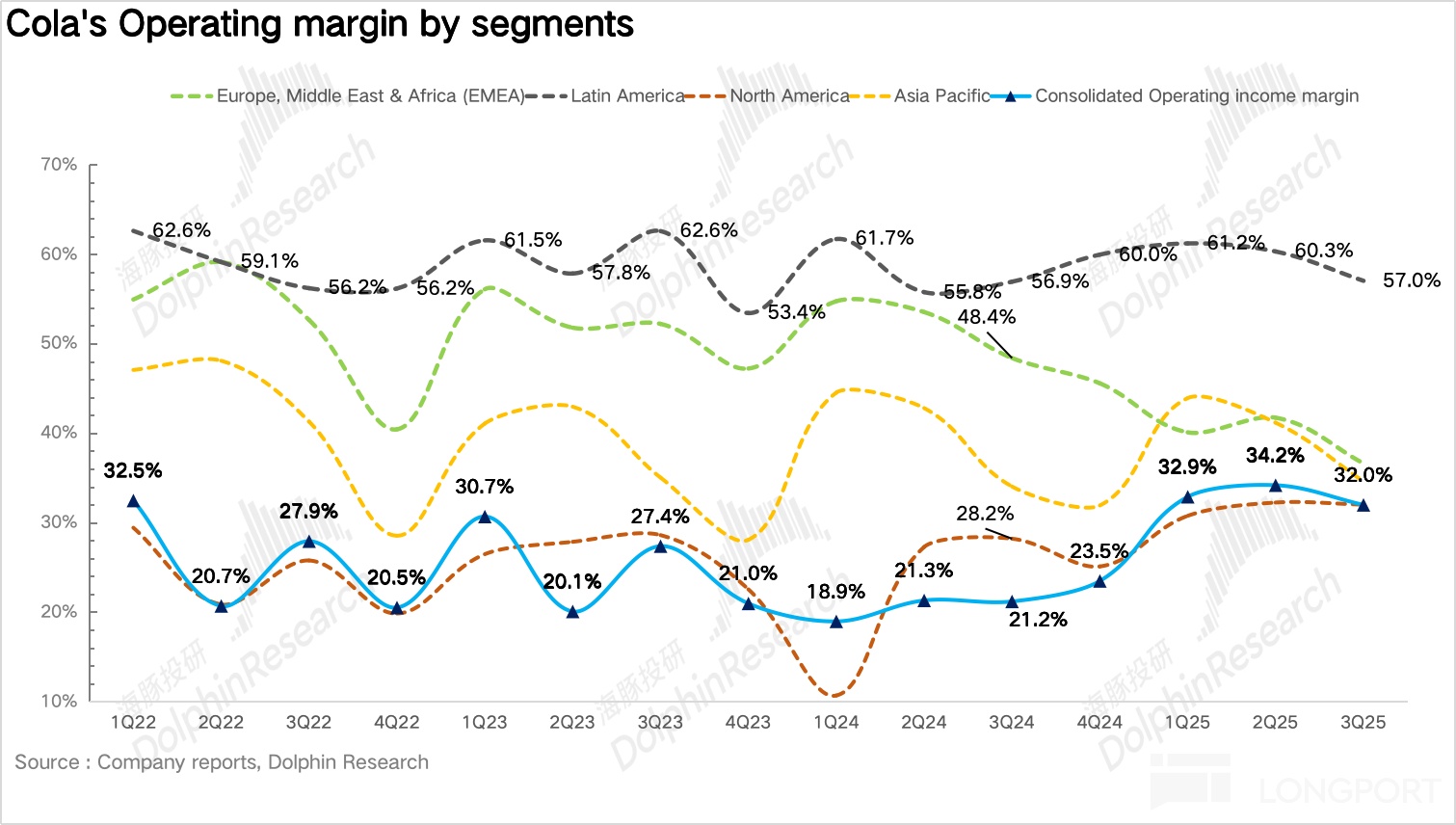
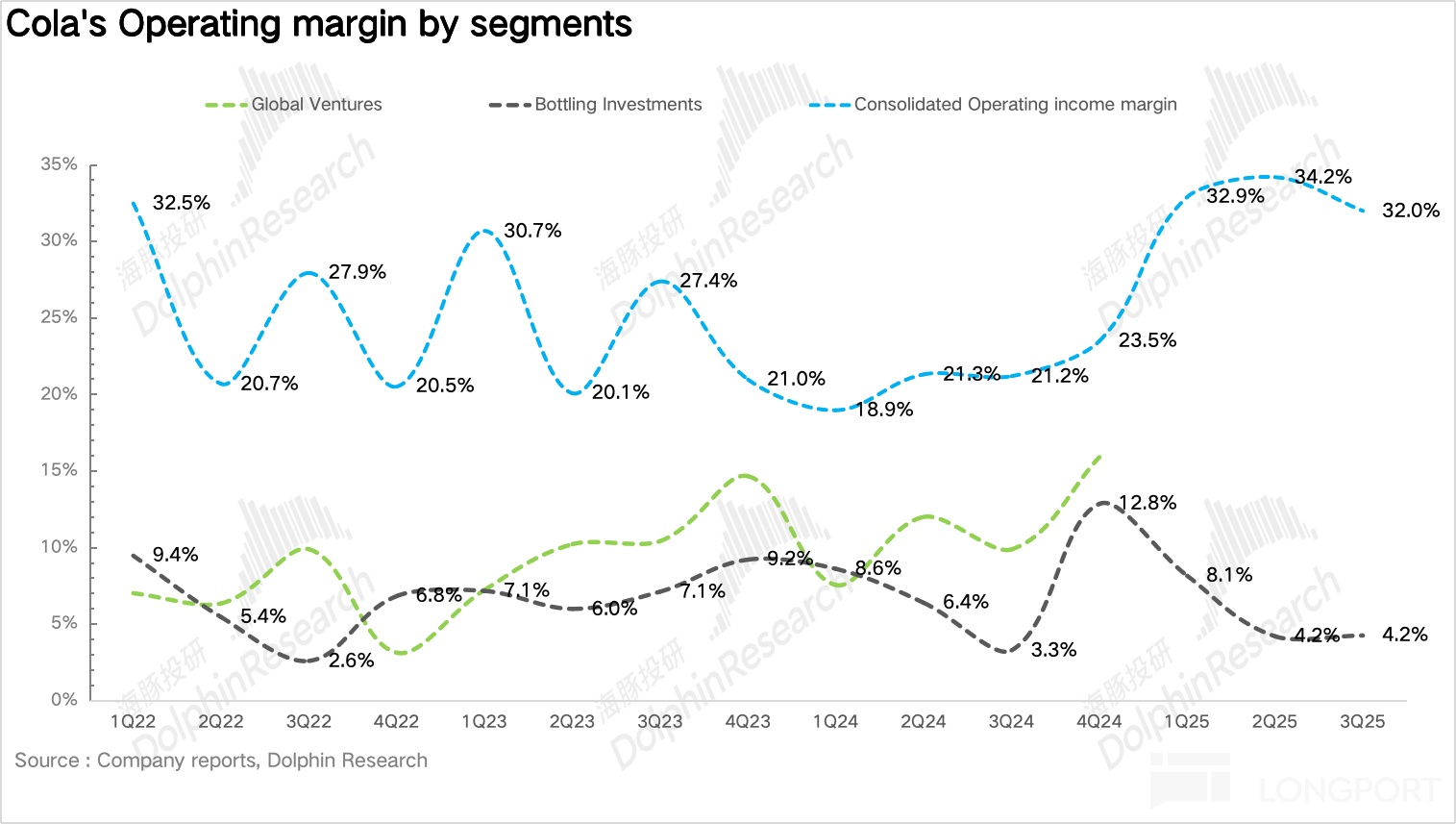
Additionally, from the perspective of operating profit margins in various regions, except for the EMEA region where the operating profit margin declined (Coca-Cola still adopts a heavy asset operation model in regions with weak infrastructure such as Africa, investing heavily in production facilities, supply chains, and other infrastructure, lowering the profit margin), other regions saw significant improvements in operating profit margins due to improved operational efficiency and increased light asset operation ratios from divesting bottling plants. Ultimately, the overall core operating profit also exceeded market consensus expectations. Ultimately, the core operating profit margin reached 32%, exceeding market expectations.
<End of text>
Dolphin Research [Coca-Cola] past research:
Earnings Season
February 12, 2025, earnings commentary "Coca-Cola: Buffett's sharp eye, happy soda wins big! "
April 29, 2025, earnings commentary "Coca-Cola: The more tariffs, the more precious the 'happy soda'?"
July 22, 2025, earnings commentary "Is 'happy soda' still the most stable safe haven?"
In-depth Research
Coca-Cola: Why is 'happy soda' the favorite of the 'stock god'?
Coca-Cola: Already outdated? It doesn't hinder 'steady happiness' -
The copyright of this article belongs to the original author/organization.
The views expressed herein are solely those of the author and do not reflect the stance of the platform. The content is intended for investment reference purposes only and shall not be considered as investment advice. Please contact us if you have any questions or suggestions regarding the content services provided by the platform.
