


Countless overseas enterprises rise quickly and fall quickly, how to reconcile?

Source: Dolphin Society Member Service
Author: Dolphin Society
Dolphin Society's first session of the "Global Perspectives" forum for 50 Global Chinese Enterprises aims to break cognitive boundaries, transcend industry limitations, and gain new insights into traffic, branding, and globalization strategies.
Featured guest speaker for this session: Wang Meng — Former Head of Financial IT at a $100 Billion Fast Fashion Brand / Former Director of Internet Industry Solutions at Accenture
With over 23 years of professional experience in internal and external corporate management, he has overseen the planning and construction of core financial systems for a leading cross-border e-commerce company, with deep familiarity in the operational characteristics of industries such as overseas expansion, internet, retail, and logistics.
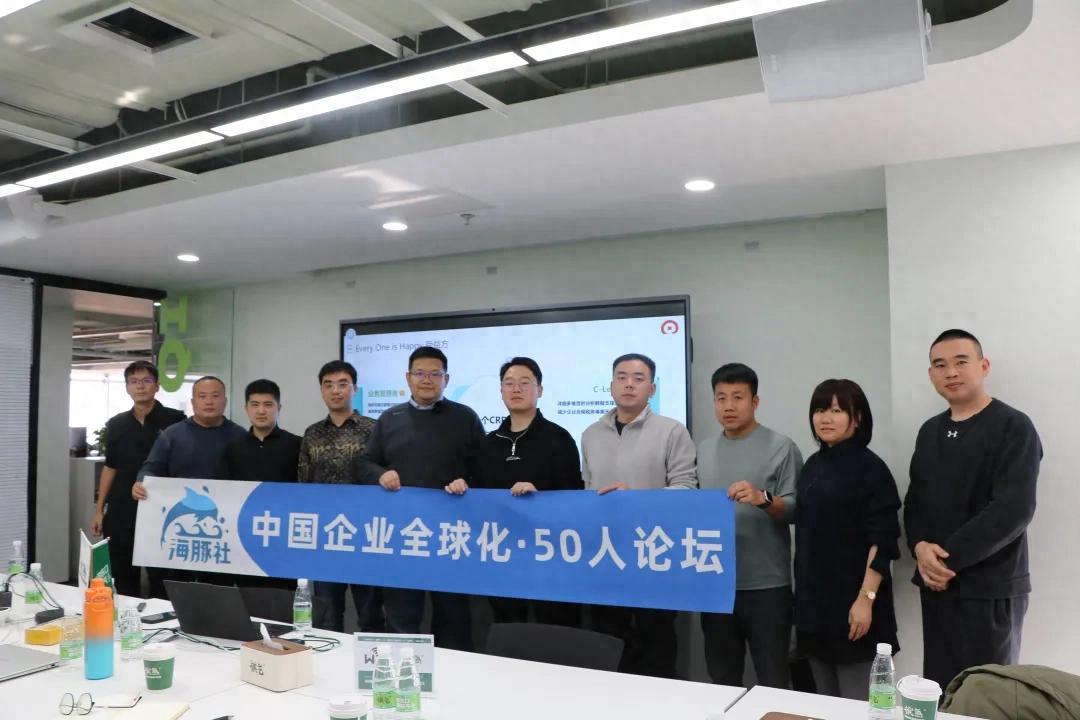
On November 29, the first session of Dolphin Society's "50 Chinese Enterprises Globalization Forum" brought together over a dozen brand founders and guest speakers from across the country to uncover the hardcore logic behind "making money" and "keeping money" in global operations.
The core challenge for enterprises seeking overseas expansion is unavoidable: making money abroad is not as hard as imagined, but saving and safeguarding it is far more difficult than expected.
The following content summarizes key insights for reference and learning.
01
Domestic Market "Overcrowded," Overseas Markets Still Have "Untapped Frontiers"
Wang Meng's Insights: Our generation faces a historic opportunity spanning 20-30 years. The driving force stems from China's "industrial Cthulhu"-level production capacity inevitably spilling over. One striking statistic: China's monthly electricity consumption exceeds Japan's annual total, and its cement output equals 200 years of U.S. production. Even instant noodles come with electric cookers. The domestic market is "overcrowded," with competitors offering lower costs, higher efficiency, and looser ethical standards in every corner. Thus, overseas expansion is an inevitable trend, regardless of individual will.

For individuals, "making money overseas is not as hard as imagined." Many business owners who struggled domestically, some barely fluent in English, found that applying China's 15-year-old playbook to local markets "works like a charm." Chinese abroad are truly "hardworking, brave, and smart."
A vivid case study: A client with modest domestic operations went to Brazil and, riding on favorable conditions and some "unconventional tactics," became the second-largest logistics provider there within three to four years, second only to the national postal service. This proves that many overseas markets remain "untapped frontiers" where established rules apply, offering immense opportunities once adapted. (More case studies shared in offline events.)
02
Making Money Isn’t as Hard as Imagined, Saving It Is Harder
Wang Meng's Insights: The core challenge of going global: "Making money isn’t as hard as imagined, but saving it is far harder." The following cases would be unthinkable domestically:
1. Payment Black Holes: A typo adds an extra zero to a supplier payment, sending out $10 million; overpaying €10 million in taxes to Belgian authorities, prompting the boss to ask, "Do tax offices give kickbacks?"; or paying the same invoice multiple times unnoticed until the supplier points it out.
2. Asset Ownership Traps: In "Rose Valley, California," a company had a Chinese landlord sign and pay for millions in equipment purchases. When relocating, the landlord produced contracts and maintenance records, claiming ownership. With irregular payment processes (expensed as reimbursements) and no asset logs, the company had no defense, risking loss of millions in equipment.
3. Inventory and Cost Chaos: In Dubai, woven bags imported from China had complete customs records but no usage logs, depleting a year's supply in three months. Local staff then pushed "emergency procurement" (marked-up), only for the company to receive bags stamped with its own logo—a case of outright theft.
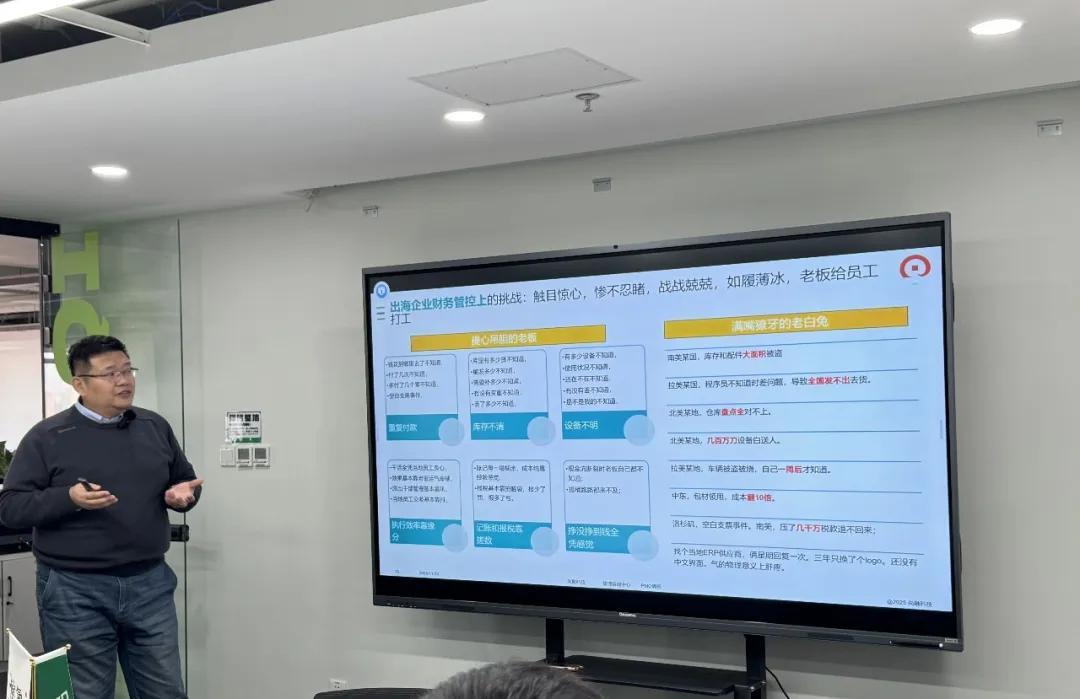
4. Labor and Efficiency Woes: In Brazil, hiring 60 "accountants" for manual reconciliation failed due to local culture (weddings, births, carnivals)—never a full team, with poor output and high costs.
The root issue: Lacking a global governance system that respects basic accounting standards, accommodates multi-currency, multi-standard, multi-timezone, and multi-language operations, leaving bosses "blind and uneasy," fearing "business booms, but the money vanishes."
03
Culture, Management, and Trust: The Frontline Pains of Going Global
Daily operational challenges for globalizing firms center on cultural gaps, management granularity, and trust. Case studies to check if you’ve encountered these:
1. "Compatriots Turned Rivals" Trust Crisis: A boss brought fellow townsfolk abroad to expand. Months later, they quit to "start a business"—an identical company across the street, leveraging resources from their former employer. The startup capital’s source remains mysterious.
2. "High-Tech" and "Low-Tech" Failures: Domestically, GPS vehicle tracking costs ¥400; in some regions abroad, lacking infrastructure, it costs $20,000. When foundational systems differ, domestic experience collapses.
3. Rogue Tech Teams and Risks: A programmer uploaded untested code to production for "testing," inflating revenue by hundreds of thousands—a disaster if publicly traded. Another ignored Brazil-China’s 11-hour time difference, crashing the logistics system with an infinite loop.
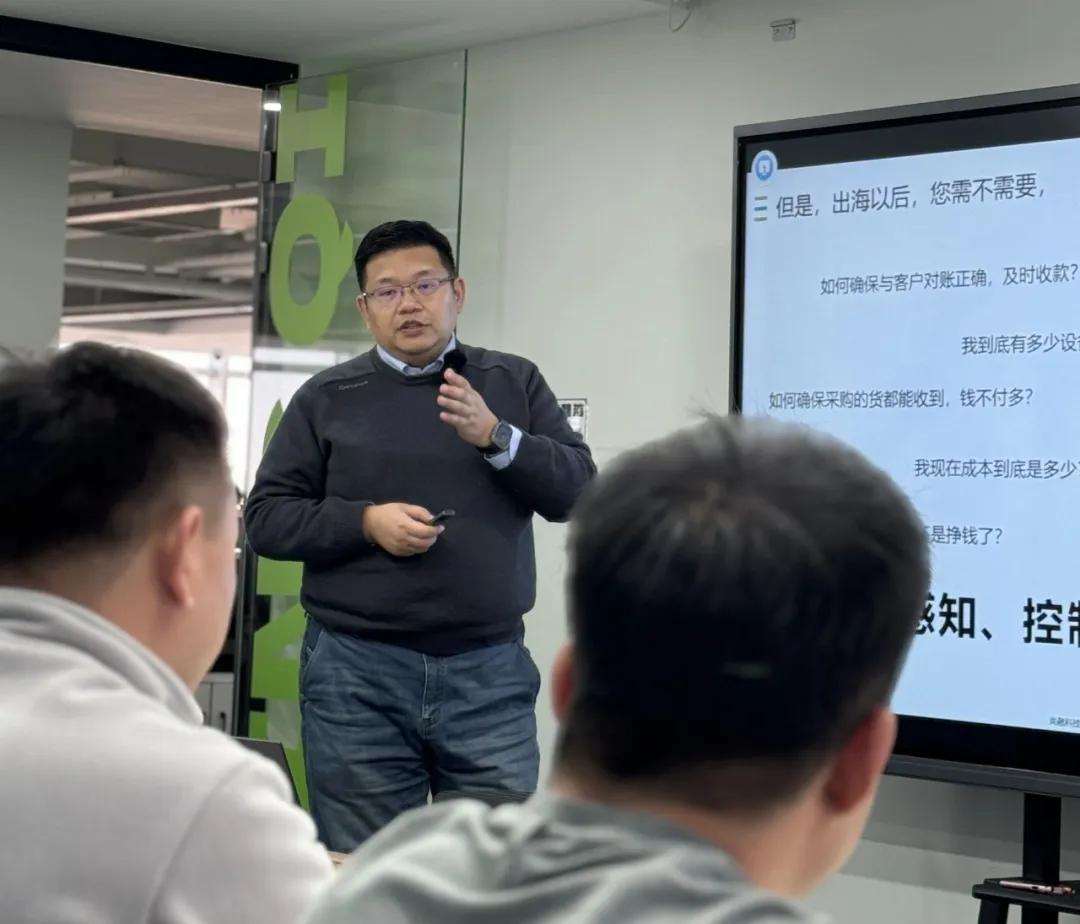
These stories show globalization tests not just strategy and finance but operational precision, cultural adaptation, and team professionalism.
04
Supply Chain Revolution: Demand-Side and Supply-Side Mastery
Wang Meng observes an unprecedented supply chain transformation, calling it "mental productivity" or "supply-side reform." Apparel industry contrasts:
- Traditional Model: Bulk, batch, forecast-driven, rigid supply chains. "Brainwashing" marketing (e.g., magazines) dictates seasonal trends—high-risk; unsold stock cripples the chain.
- New Paradigm: Small-batch, agile, high-turnover. Data captures fragmented trends (e.g., Xiaohongshu, TikTok), driving 6,000 daily SKUs, 18-22 annual turnovers, 7-day replenishment. Essentially, Dell’s direct model in apparel—no forecasts, rapid demand response, at one-third lower cost.
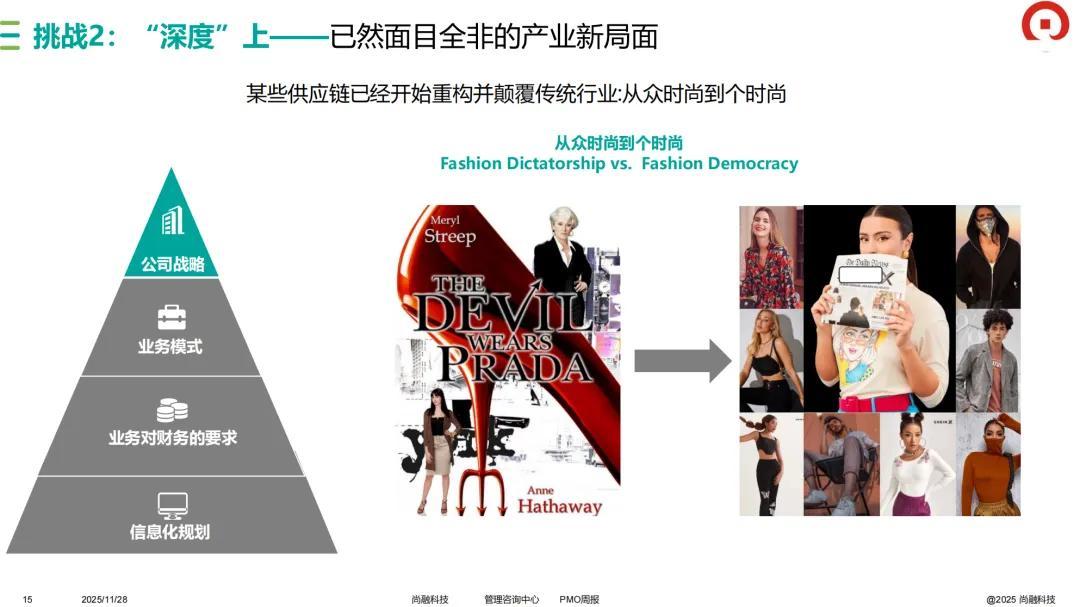
The real barrier isn’t demand capture but supply chain mastery—a "dimensional reduction strike" like Dell’s victory over IBM. This shift, now across industries, upgrades from "demand-side focus" to "dual control of demand and supply," leveraging upstream control to disrupt rivals’ capacity and build unassailable moats.
05
Leveraging New Tech for Global Challenges
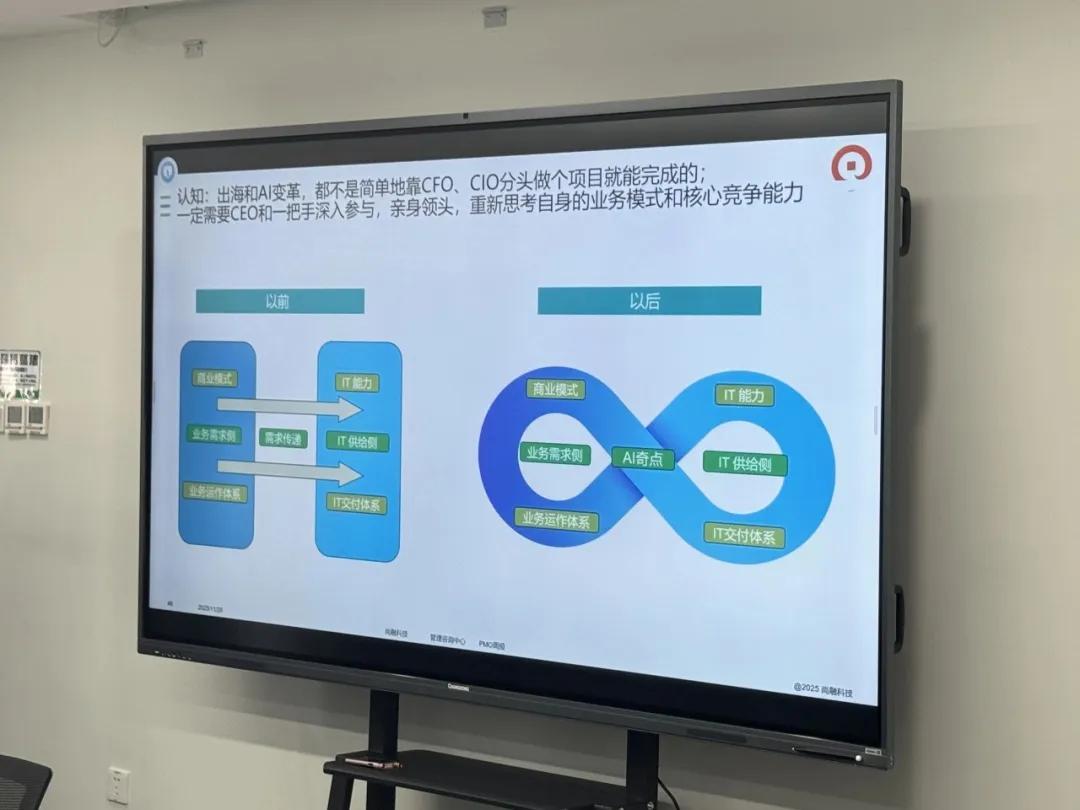
Wang Meng advocates AI and process mining to tackle globalization’s "wide, deep, and fast" challenges.
- AI’s Paradox: Low marginal cost but high startup barriers. Single firms lack data for private AI; instead, "privacy is obsolete in the AI era"—shift from "growing vegetables" to "cooking," leveraging external AI.
- Future Organizations: "Special forces" of 10 humans leading hundreds of AI agents. Managers must articulate goals clearly. Future CTOs/CIOs may evolve into Chief Coordination Officers (CCOs), orchestrating AI teams.
Conclusion
Global expansion isn’t replication—it’s capability evolution.
Opportunity: Ride the wave of production overflow, applying China’s mature playbook to blue oceans.
Challenges: Hide in multi-currency details, cultural inefficiencies, supply chain gambits, and the mantra—"making money is hard, keeping it is harder."
The copyright of this article belongs to the original author/organization.
The views expressed herein are solely those of the author and do not reflect the stance of the platform. The content is intended for investment reference purposes only and shall not be considered as investment advice. Please contact us if you have any questions or suggestions regarding the content services provided by the platform.
