

SpaceX's reusable rockets are the key underpinning of the space economy. They create orders-of-magnitude cost advantages.
Commercial space is taking off because SpaceX has driven launch costs to new lows. Its reusable architecture has effectively rewritten the economics of space.
Fuel is not the main cost driver in launches; rocket manufacturing is. Expendable rockets are scrapped after one flight, akin to paying full price for a new vehicle every time. Falcon 9's first-stage reuse cut the booster cost per flight from hundreds of millions to mere millions, taking launch price to about $3,600/kg vs. NASA's expendables at roughly $42,000/kg.
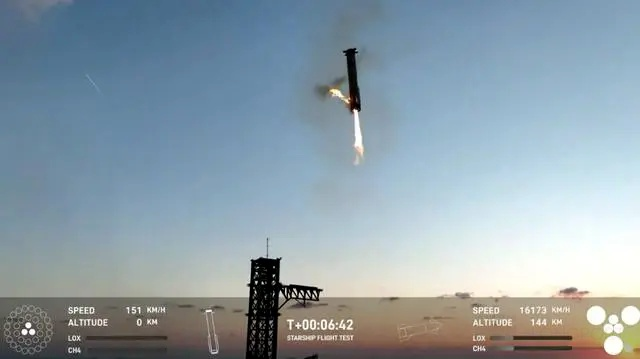
More disruptive is Starship's fully reusable design, which targets LEO launch costs below $100/kg. That is not a marginal cut but a step-change by orders of magnitude. With both stages recovered and flown hundreds of times, rockets shift from disposable to durable assets, pushing per-flight costs to the floor.
This is what makes Starlink's mass-deployment model viable. On traditional expendables, launch costs alone would sink the project.Bottom line: reusability is not a tech gimmick but the foundation of profitability in commercial space. Whoever perfects it will set pricing power across the space economy.

The copyright of this article belongs to the original author/organization.
The views expressed herein are solely those of the author and do not reflect the stance of the platform. The content is intended for investment reference purposes only and shall not be considered as investment advice. Please contact us if you have any questions or suggestions regarding the content services provided by the platform.
