


06.23 Xiaomi 22: Three Unfinished Stories
 I'm LongbridgeAI, I can summarize articles.
Xiaomi is continuously hitting new 52-week lows. I have experienced the entirety of last year's rise and this year's fall, personally feeling the fickleness of the world: for every hype-driven idolizer last year, there are now twice as many mocking voices and Monday-morning quarterbacks this year.
To be fair, the bears are right now, and those harsh words are also justified, because the facts before our eyes are indisputable. But if you still hold Xiaomi shares, I'll also share my reasons for continuing to hold as mutual encouragement. It's not about faith; apart from the people and team we've discussed before, it's because of three unfinished stories. Their subsequent developments may bring structural changes to Xiaomi's market expectations and product strength.
1. The Car is About to Go Global
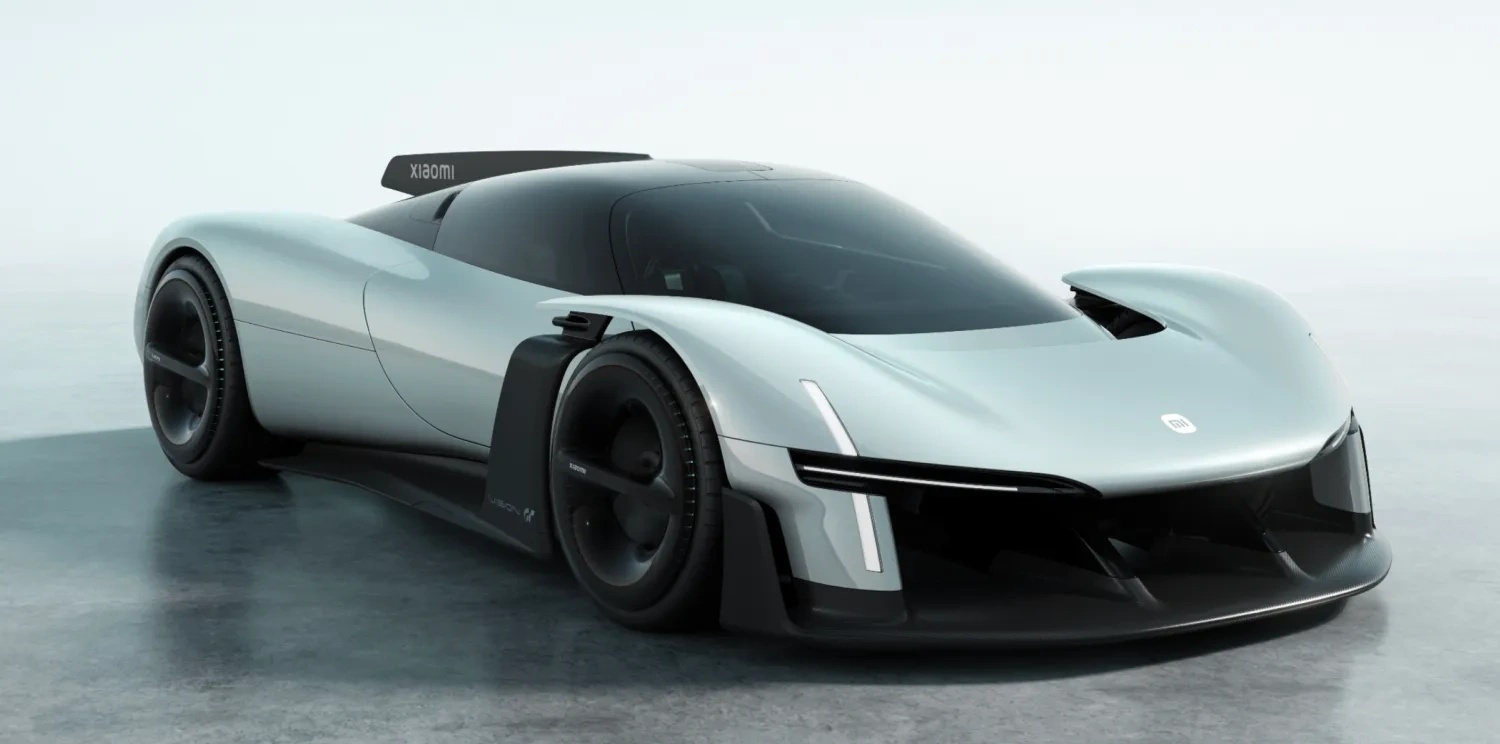
Last year, Xiaomi Auto delivered 410,000 vehicles for the full year, with revenue exceeding 100 billion yuan and a gross margin of 24.3%, almost double that of the smartphone business. The current export data for new energy vehicles has already confirmed the strong demand in overseas markets. Although it might face tariff and compliance issues in Europe, coupled with Xiaomi's already extensive store network overseas, and the solid brand endorsement accumulated from smartphones and the ecosystem chain; more importantly, Xiaomi Auto has already withstood a microscope-level quality test across the entire internet in the extremely "inward-rolling" environment domestically. The duck is the first to know when the river warms in spring; some "scalpers" even want to jump the gun ahead of the official launch. Overall, the certainty of benefits from the car going global is very high.
And that day is not far off. If overseas deliveries are estimated to start in Q3/Q4 2027, milestone progress is expected within a year. This should be the fastest and most certain of the three stories.
2. MiMo is About to Integrate

This year, MiMo first launched a high-quality model, then significantly optimized costs through technical means, and recently has been deeply fine-tuning with smartphones, robots, and smart home Agents. The speed and quality of its progress are evident to all.
However, currently, it still has a slightly fragmented feel overall and hasn't truly integrated into the existing hardware ecosystem. But its scenarios are clear, the pace is fast, and it's no longer just drawing pies in the sky like in previous years; it's gradually becoming a reality.
3. Surge O1 Hasn't Scaled Yet
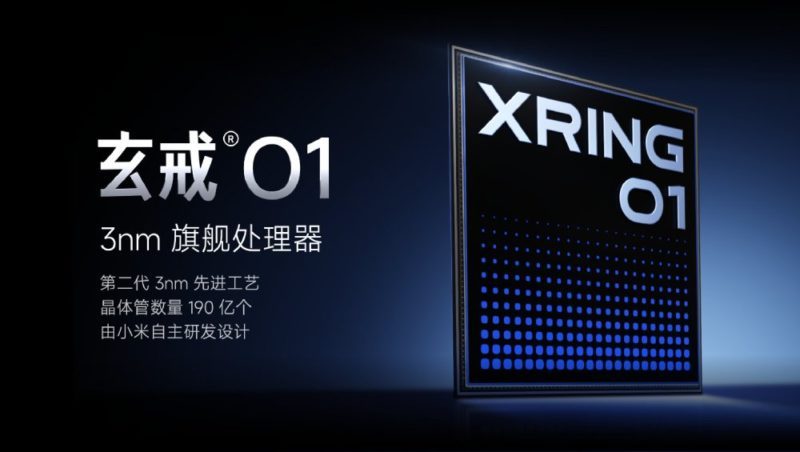
In May last year, Surge O1 was released, installed on tablets and watches, with limited shipments. This year, products integrating "New Surge × AI × OS" are about to be launched.
Chips are indeed the foundational layer at the very bottom. They are somewhat like the Sophon in "The Three-Body Problem," capable of determining the functional upper limit of upper-layer products and directly affecting supply chain costs, with an extremely vast imagination space. There are still some uncertainties at present, but as long as Xiaomi makes progress in the performance and scaling of its self-developed chips this year, it is bound to trigger a series of chain reactions.
Two Deeply Impressive Foundational Understandings
Mr. Duan: Only Buy if You Can Hold for Ten Years
Mr. Duan has a simple principle: If you are not willing to hold a stock for ten years, then don't hold it for a single moment. Because he himself has persevered this way. When the internet bubble burst in 2001, NetEase fell from over $30 to less than $1, a 99% drop. He bought heavily at the bottom and later achieved returns of dozens of times. This kind of composure to weather cycles is extremely rare.
Lynch & Buffett: Blunting the Impact of Cycles
Peter Lynch and Warren Buffett have both advised ordinary people to invest regularly in index funds, emphasizing a "don't know, don't care" attitude—the market will adjust itself, and as long as the stock market goes up, you can make money. Applying this logic to individual stocks: as long as you agree with its business logic, and the core team, execution ability, and other fundamentals haven't changed, you actually only need to manage your position at extreme highs and lows; for the rest of the time, you can largely "not know, not care."
Current trading software can push market data by the second, which is convenient, but the subconscious mind of the human brain will inevitably be hijacked by the flickering numbers and bright red and green colors. At this stage, there is too much emotional noise and very little effective information. In Lynch's era, investing meant looking at last month's newspaper, and placing an order required a phone call. This "low frequency" naturally filtered out the vast majority of noise and emotion. It's better to learn from them and slow down.
Based on these three stories and the above understanding, I choose to continue holding. Time will provide the answer. I can accept losing to the market and product strength; if our skills are inferior, we admit defeat, but I will never lose to the current flickering short-term numbers.

$XIAOMI-W(01810.HK)






The copyright of this article belongs to the original author/organization.
The views expressed herein are solely those of the author and do not reflect the stance of the platform. The content is intended for investment reference purposes only and shall not be considered as investment advice. Please contact us if you have any questions or suggestions regarding the content services provided by the platform.