Getting Started with Hong Kong Stock Investing: The Complete Beginner’s Guide
New to Hong Kong stocks? This guide covers account setup, trading rules, fee structures, and stock-picking strategies—everything you need to take your first confident step into HK equity investing.
TL;DR: Hong Kong stocks are shares listed on the Hong Kong Exchanges and Clearing (HKEX). Trades are conducted in “board lots” as the minimum unit, and market hours run Monday to Friday from 9:30 a.m. to 4:00 p.m. Before getting started, beginners should understand the account-opening process, fee structure, and stock types; many start with blue-chip stocks or index funds (ETFs).
Hong Kong is one of Asia’s key financial markets, home to many large listed companies from both Hong Kong and mainland China. For many Hong Kong residents, investing in Hong Kong stocks is a way to build assets. However, faced with various market terms and trading rules, many beginners don’t know where to start. This article begins with the market structure and then guides you step by step through Hong Kong stock trading rules, fee calculations, stock types, and basic stock selection ideas, helping you take your first investment step in an orderly way.
Understanding the Hong Kong Stock Market and Major Indices
Hong Kong stocks generally refer to shares listed and traded on the Hong Kong Exchanges and Clearing (HKEX). According to HKEX data, there are currently more than 2,600 companies listed on the exchange, spanning finance, technology, property, retail, and other industries, with a very large total market capitalization.
The Hong Kong stock market is divided into two boards: the Main Board and the Growth Enterprise Market (GEM). The Main Board has higher listing thresholds, requiring companies to have a certain profit track record or market capitalization; GEM has relatively more relaxed requirements and mainly targets smaller, growth-oriented enterprises. Most well-known companies are listed on the Main Board.
Hang Seng Index: The Barometer of Hong Kong Stocks
When it comes to Hong Kong stocks, the Hang Seng Index (HSI) is essential. Launched by Hang Seng Bank in 1969, the HSI tracks the performance of the largest and most liquid blue chips on HKEX and is the primary indicator of the overall performance of the Hong Kong stock market. The index currently includes 89 constituents, with an 8% cap on any single constituent’s weight to prevent one stock from overly dominating index movements.
In addition to the HSI, investors also commonly follow two other indices: the Hang Seng China Enterprises Index (HSCEI), which tracks mainland Chinese companies listed in Hong Kong; and the Hang Seng Tech Index, launched in 2020, which focuses on large technology companies listed in Hong Kong. To further understand blue-chip constituent weightings and how index-tracking ETFs work, see Analysis of Hang Seng Index Investment Strategies. You can also use the Market Data and Stock Price Tracking page to keep up with major indices and individual stocks in real time.
Major Types of Hong Kong Stocks
Understanding the characteristics of different stock types helps beginners develop more targeted investment strategies:
- Blue-chip stocks: Industry leaders with large market caps and relatively mature businesses, usually Hang Seng Index constituents, such as major companies in finance and utilities.
- Red-chip stocks: Companies incorporated and listed in Hong Kong but with principal operations and controlling interests in mainland China.
- State-owned enterprise shares (H-shares): Shares of companies incorporated in mainland China and listed on HKEX; the letter “H” stands for Hong Kong.
- Technology stocks: Represented by large internet and tech companies; one of the more closely watched sectors in recent years.
- Exchange-traded funds (ETFs): Funds listed and traded on HKEX, similar to a “basket of assets,” allowing investors to hold multiple stocks through a single transaction, such as ETFs tracking the Hang Seng Index.
Hong Kong Stock Trading Hours and Rules
Hong Kong stocks are not traded 24 hours a day. For beginners, understanding trading hours is crucial to avoid missing order opportunities or trading at the wrong times.
Hong Kong Stock Trading Hours at a Glance
Hong Kong stocks trade Monday to Friday and are closed on public holidays. The main trading sessions are:
| Session | Time |
|---|---|
| Pre-opening session (auction session) | 09:00 – 09:30 |
| Morning continuous trading session | 09:30 – 12:00 |
| Lunch break | 12:00 – 13:00 |
| Afternoon continuous trading session | 13:00 – 16:00 |
| Closing auction session | 16:00 – 16:10 |
In addition, since September 2024, Hong Kong stocks have adopted a “trading continues under severe weather” arrangement. Even when Typhoon Signal No. 8 is hoisted or a Black Rainstorm Warning is issued, trading continues as normal.
No Daily Price Limits in Hong Kong Stocks
Unlike mainland China’s A-shares, Hong Kong stocks do not have daily price limits. In theory, prices can experience very large swings within a single trading day. However, HKEX has a Volatility Control Mechanism: if a constituent of the Hang Seng Index or the China Enterprises Index rises or falls by more than 10% within five minutes, a five-minute cooling-off period is triggered, temporarily restricting order input.
The Concept of a “Board Lot” and the Minimum Entry Cost
Hong Kong stocks are traded in “board lots” as the minimum unit, rather than by individual shares. The number of shares per lot is set by each listed company and commonly ranges from 100, 200, 500, to as many as 1,000 shares.
The formula for calculating the entry cost is: Entry cost = Share price × Shares per board lot + Transaction fees
Holdings of fewer than one board lot are called “odd lots.” Odd lots cannot be traded through HKEX’s standard system, but some online brokerage platforms offer odd-lot trading services, allowing investors to start with smaller amounts.
How to Open a Hong Kong Stock Trading Account
Before investing in Hong Kong stocks, you need to open a securities trading account.
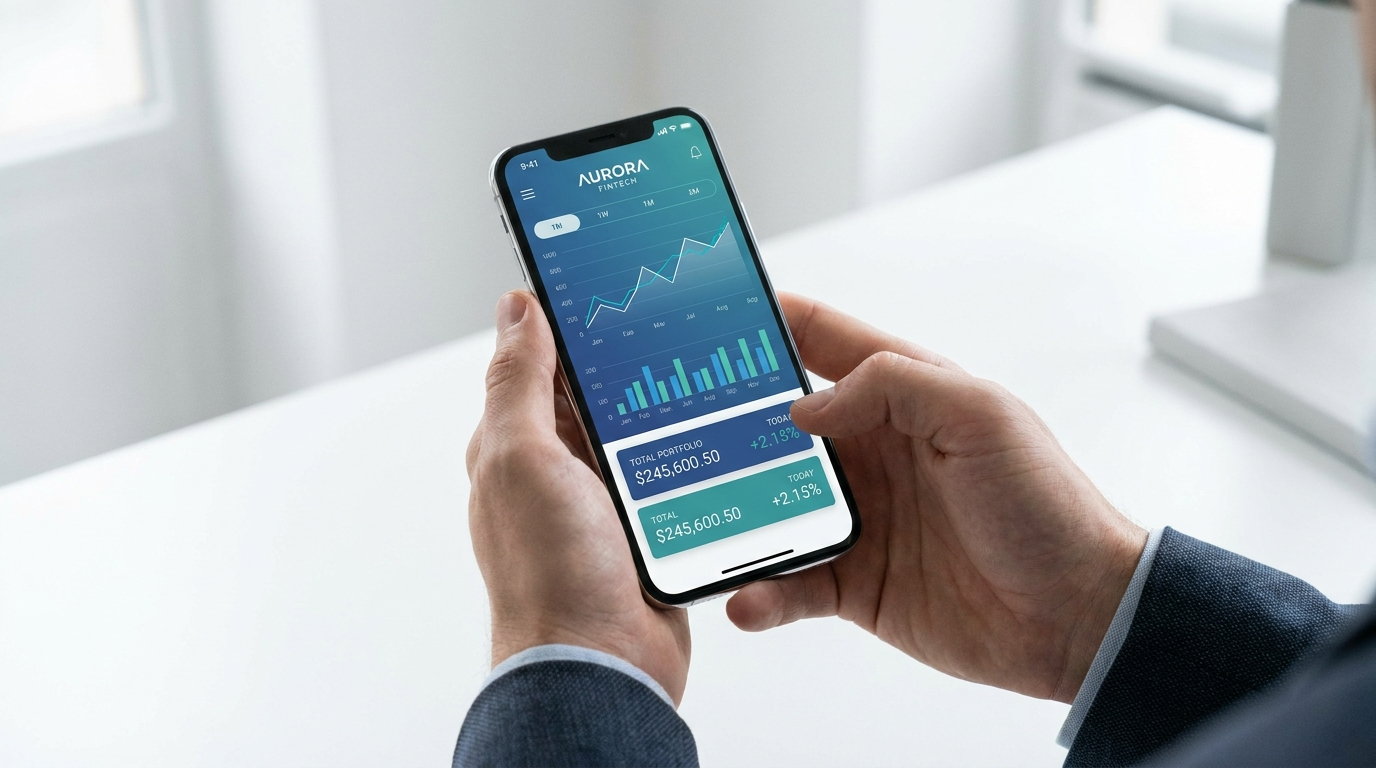
Account Opening Methods: Banks vs. Online Brokerage Platforms
There are two main account-opening channels:
Traditional banks: Large banks generally provide integrated investment services with convenient fund transfers. Trading commissions and platform fee structures vary by institution.
Online brokerage platforms: In recent years, digital brokerages have become more widespread. Their fee structures and trading tools differ from traditional channels, and some platforms also offer market analysis features.
Required Documents and Process
Generally, online account opening requires a valid Hong Kong Identity Card or passport and proof of address (such as a bank statement or utility bill from the past three months). The entire application can be completed on a mobile phone, and the account is typically activated within a few business days.
Longbridge Securities provides trading services for multiple markets, including Hong Kong and U.S. stocks.
Tip: Before opening an account, compare fee structures across platforms, including trading commissions, monthly platform fees, custody fees, and dividend collection fees. Overall costs can have a meaningful impact on long-term investment returns.
Detailed Breakdown of Hong Kong Stock Trading Fees
Understanding transaction costs is a key part of investing. Hong Kong stock trading fees consist of two components: statutory fees (payable regardless of platform) and brokerage charges (which vary by platform).
Statutory Fees (Payable for Every Transaction)
According to HKEX and the Securities and Futures Commission (SFC), the following fees are mandatory and cannot be waived:
| Fee item | Rate | Charging authority |
|---|---|---|
| Stamp duty | 0.1% of the transaction amount for both buy and sell | Hong Kong Government |
| Transaction levy | 0.0027% of the transaction amount for both buy and sell | Securities and Futures Commission (SFC) |
| Trading fee | 0.00565% of the transaction amount for both buy and sell | Hong Kong Exchanges and Clearing (HKEX) |
| Trading system usage fee | HKD 0.50 per transaction for both buy and sell | HKEX |
Important: Stamp duty was reduced from 0.13% to 0.1% in November 2023 to lower investors’ costs. Even if a broker offers “zero commission,” the above statutory fees still apply.
Brokerage Commissions
Brokerage commissions are service fees paid to securities firms, and rates vary by platform. Traditional banks usually charge a percentage of the transaction amount with a minimum fee, while online platforms may use different pricing models, with some offering zero-commission arrangements. Note that “zero commission” only means no proportional trading commission; statutory fees still apply.
For details on Longbridge Securities’ fee arrangements, see Fee Details.
Introduction to Hong Kong Stock Selection Strategies
Stock selection is one of the most challenging aspects of investing. For beginners, establishing a clear analytical framework helps you make more rational decisions.
Fundamental Analysis: Assessing Corporate Value
Fundamental analysis evaluates a company’s investment value by examining its financial condition. Common indicators include:
- Price-to-earnings (P/E) ratio: Reflects how much the market is willing to pay for each dollar of earnings; higher values generally indicate a more expensive valuation.
- Price-to-book (P/B) ratio: Compares a stock’s market value with its book value; if below one, the stock may theoretically be undervalued.
- Dividend yield: Dividends per share as a percentage of the share price, reflecting the level of cash return provided by the stock.
Make use of market analysis tools to screen and compare fundamental data across different stocks to support investment decisions.
Easier Ways to Get Started
Investor Peter Lynch advocated “invest in what you know,” encouraging people to find ideas from everyday life. For beginners, the following two approaches are common:
Starting with blue-chip stocks: Blue-chip companies generally have more mature businesses and clearer financials, with volatility typically lower than small caps. They are easier to understand operationally, and many beginners use them as a starting point to learn about the Hong Kong market.
Considering ETFs (index funds): If you’re uncertain about picking individual stocks, ETFs provide a way to diversify holdings. ETFs tracking the Hang Seng Index let you participate in the performance of the entire index through a single transaction, reducing the risk of concentration in a single company. To learn more about diversification and concepts such as net asset value (NAV), see the Fund Investment Basics Guide.
Tip: “Monthly stock investment plans” are another approach, involving regular purchases of a fixed amount to average entry costs and reduce the pressure of market timing.
Risk Management You Must Understand Before Investing
Investing in Hong Kong stocks inevitably involves risks. Building sound risk management awareness is an important part of long-term investing.
Common Beginner Investment Pitfalls
- Overconcentration: Putting most funds into a single stock or sector greatly increases portfolio volatility. It’s advisable to diversify across different industries and asset types.
- Chasing short-term returns: Frequent trading not only increases transaction costs but also makes investors more susceptible to emotions and irrational decisions. Understand that short-term price movements are hard to predict.
- Blindly following news: Don’t buy stocks solely because of social media buzz or others’ recommendations. Every investment decision should be based on your own research and analysis.
Maintain Adequate Liquidity
Before you start investing, ensure you have sufficient emergency savings—generally at least six months of living expenses—so daily life won’t be affected even if the market is volatile.
Important Reminder: Investing involves risks. Share prices can rise or fall, and past performance does not represent future results. Before making any investment decision, fully understand the relevant risks and consider your financial situation and risk tolerance.
Investor Protection Mechanisms
Hong Kong investors are protected under the regulation of the Securities and Futures Commission (SFC). Under the current mechanism, if a licensed broker becomes insolvent, the Investor Compensation Fund provides compensation of up to HKD 500,000. Choosing an SFC-licensed broker is therefore an important prerequisite for protecting your interests.
Frequently Asked Questions
What is the minimum amount required to invest in Hong Kong stocks?
Hong Kong stocks are traded in board lots as the minimum unit—you can’t buy just a single share. The number of shares per lot varies by company, so the minimum entry cost depends on the stock’s price and lot size, ranging from several hundred to tens of thousands of Hong Kong dollars. Some online platforms offer odd-lot trading services, allowing investors to start with smaller amounts.
Do Hong Kong stocks have daily price limits?
Unlike China’s A-shares, Hong Kong stocks have no daily price limits. Individual stocks can theoretically experience very large moves within a single day. HKEX has a volatility control mechanism that triggers a brief cooling-off period when Hang Seng Index or China Enterprises Index constituents experience sharp price swings.
Should beginners buy individual stocks or ETFs?
Each has its own characteristics. For beginners lacking stock-selection experience, ETFs (exchange-traded index funds) are generally easier to operate, as a single ETF already contains multiple stocks and helps diversify portfolio risk. Individual stocks, on the other hand, require independent research into specific companies. As knowledge and experience accumulate, some investors gradually begin researching individual companies.
How are dividends paid for Hong Kong stocks?
Some Hong Kong-listed companies distribute dividends to shareholders on a regular basis, usually as interim and final dividends. Investors must hold the shares before the ex-dividend date to be eligible. On the ex-dividend date, the share price typically adjusts to reflect the dividend amount—this is normal market practice.
What is the settlement system for Hong Kong stocks?
Hong Kong stocks use a T+2 settlement system, meaning official settlement of shares and funds is completed on the second trading day after the transaction. In practice, investors usually see position changes in their accounts immediately after execution, but formal settlement is completed on T+2.
Conclusion
Entering the Hong Kong stock market requires a step-by-step approach—from understanding the market structure and mastering trading rules to establishing a stock-selection framework. For beginners, the priorities are to understand the concept of a “board lot,” become familiar with trading hours and fee structures, and then start building experience with easier-to-understand blue-chip stocks or ETFs, while maintaining adequate liquidity reserves and sound risk management habits.
Which tool you choose depends on your investment objectives, risk tolerance, market views, and experience level. Regardless of the tool, you must fully understand its mechanisms, risk characteristics, and trading rules, and establish a comprehensive risk management plan. You can learn more through the Longbridge Academy or by downloading the Longbridge App.