How to Invest in Hang Seng Index from Singapore
Singapore investors seeking exposure to Hong Kong markets can access theHang Seng Index through ETFs listed on both SGX and HKEX. This guide covers investmentoptions, key considerations, and practical steps.
TL;DR: Singapore investors can gain exposure to the Hang Seng Index through Exchange-Traded Funds (ETFs) listed on both the Singapore Exchange (SGX) and the Hong Kong Stock Exchange (HKEX). While ETFs offer diversified access to Hong Kong's largest companies, investors should carefully consider currency exposure, market volatility, and the distinct sector composition compared to Singapore equities.
The Hang Seng Index (HSI) serves as Hong Kong's flagship stock market benchmark, tracking the performance of the largest and most liquid companies listed on the Hong Kong Stock Exchange. For Singapore investors looking to diversify beyond local markets and gain exposure to Chinese economic growth, the Hang Seng Index presents an accessible option through established investment vehicles.
This guide walks through the practical steps for Singapore-based investors to access the Hang Seng Index, the available investment options, key risks to consider, and how this allocation might fit within a broader portfolio strategy.
Understanding the Hang Seng Index
The Hang Seng Index is a free-float adjusted, market-capitalisation-weighted index that currently comprises approximately 90 constituent companies. These companies represent roughly 58% of the total market capitalisation of the Hong Kong Stock Exchange, according to Hang Seng Indexes Company Limited, the index compiler.
Index Composition and Sectors
The HSI is divided into four main sub-indices covering different sectors: Finance, Utilities, Properties, and Commerce and Industry. The financial sector typically carries significant weight, followed by technology companies. Many large Chinese technology and consumer companies—such as Tencent, Alibaba, and Meituan—maintain primary or secondary listings in Hong Kong and are included in the index.
How the Index Differs from Singapore Markets
Unlike Singapore's Straits Times Index (STI), which focuses primarily on Southeast Asian regional exposure with a heavy weighting toward local banks and Real Estate Investment Trusts (REITs), the Hang Seng Index offers more direct exposure to Chinese economic trends. The sector mix tilts more toward Chinese technology platforms and financials. Currency exposure also differs: HSI investments are denominated in Hong Kong Dollars (HKD), which is pegged to the United States Dollar (USD), while STI investments are in Singapore Dollars (SGD).
How Singapore Investors Can Access the Hang Seng Index
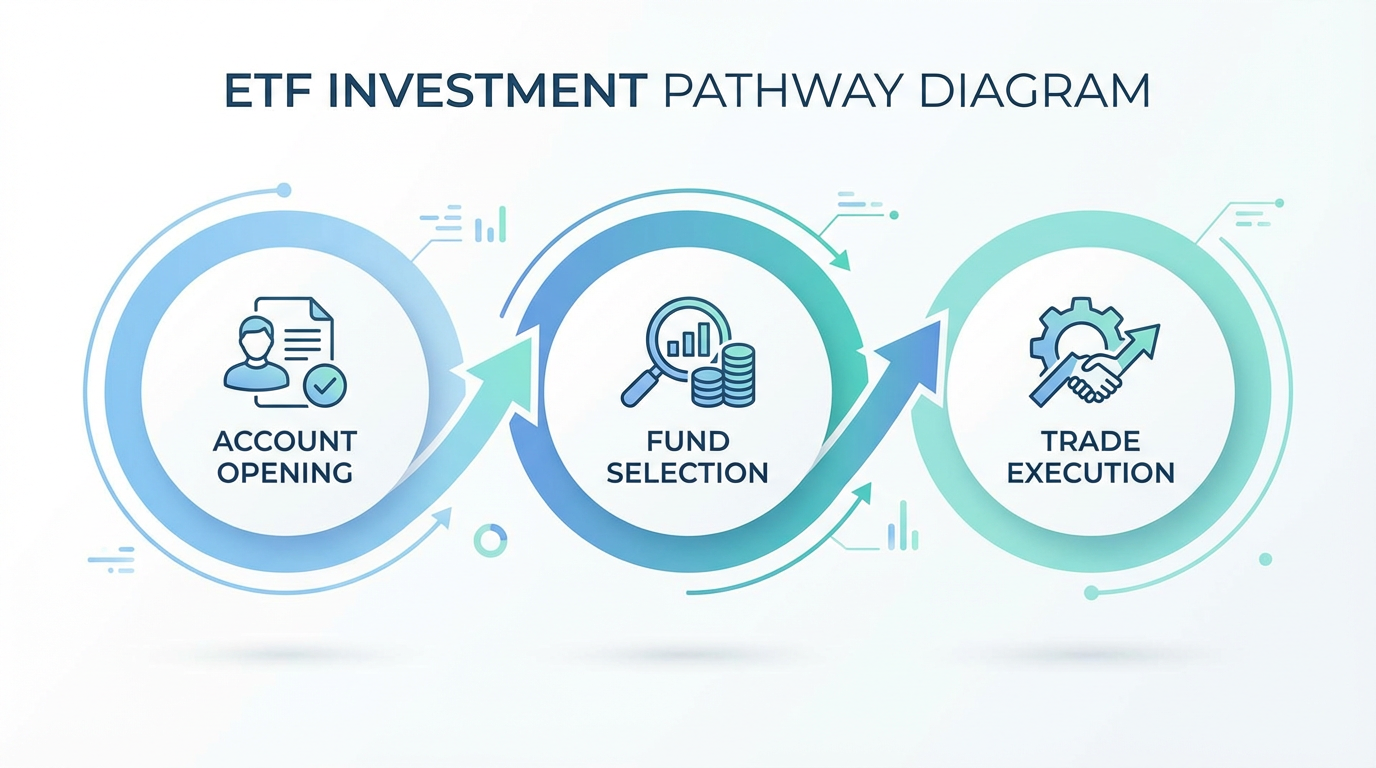
For most retail investors in Singapore, Exchange-Traded Funds represent the simplest method to gain diversified exposure to the Hang Seng Index. ETFs allow investors to purchase shares that track the index performance in a single trade, without needing to buy individual constituent stocks.
ETF Options on the Hong Kong Stock Exchange
Several ETFs tracking the Hang Seng Index are available on HKEX for Singapore investors who have access to Hong Kong market trading:
Tracker Fund of Hong Kong (SEHK: 2800): Managed by Hang Seng Investment Management, this is one of the largest and longest-established HSI-tracking ETFs
iShares Core Hang Seng Index ETF (SEHK: 3115): Offered by BlackRock, this ETF tracks the HSI Net Total Return Index
CSOP Hang Seng Index ETF (SEHK: 3037): Managed by CSOP Asset Management
Investors should compare expense ratios and assets under management before selecting a fund, as these factors affect long-term returns. These ETFs are denominated in HKD, so Singapore investors will need to convert SGD to HKD when purchasing.
Singapore Exchange Alternatives
While no pure Hang Seng Index ETF is currently listed on SGX, investors can access related Hong Kong and China exposure through:
- Lion-OCBC Securities Hang Seng TECH ETF (SGX: HST/HSS): This tracks the Hang Seng TECH Index, comprising the 30 largest technology-themed companies listed in Hong Kong
Singapore investors who prefer trading in SGD or USD without direct HKEX access may find these alternatives useful, though they track different indices with distinct compositions.
Selecting a Brokerage Platform
To invest in Hang Seng Index ETFs, Singapore investors need a brokerage account that provides access to HKEX. When evaluating platforms, consider factors such as commission structures, currency conversion fees, and the range of markets available. Many digital-first brokerages now offer multi-market access, allowing investors to explore different investment products across Singapore, Hong Kong, and United States markets from a single account.
Why Consider the Hang Seng Index for Diversification
Adding Hong Kong market exposure to a Singapore-focused portfolio introduces geographic and sector diversification. For investors already holding STI ETFs and United States market ETFs, the Hang Seng Index provides access to different economic drivers. However, investors should note that the HSI's heavy weighting toward Chinese technology and financial companies means it may not provide as broad a diversification as a global index.
Access to Chinese Growth Companies
Many Chinese companies choose Hong Kong for their stock listings, making the HSI a practical way to gain exposure to Chinese economic activity without opening onshore China brokerage accounts. The index includes major players across technology, finance, and consumer sectors.
Different Correlation Profile
The Hang Seng Index does not always move in the same direction or magnitude as Singapore equities, which can help smooth overall portfolio returns over time.
Key Risks and Considerations
Investing in the Hang Seng Index involves specific risks that Singapore investors should evaluate carefully.
Market Volatility
Historically, the Hang Seng Index has exhibited higher volatility compared to the Straits Times Index. This volatility profile is influenced by factors including China policy developments, global risk sentiment, and geopolitical considerations. Investors should be prepared for larger price swings in either direction.
Currency Exposure
While HKD is pegged to USD within a narrow band, Singapore investors still face currency risk when their investments are denominated in a different currency from their home currency. Changes in the SGD/HKD exchange rate will affect the SGD-equivalent returns of HSI investments.
Regulatory and Political Factors
Hong Kong operates under a distinct regulatory framework. Changes in policies affecting the financial sector, technology companies, or cross-border capital flows can affect index constituent companies and overall market sentiment.
Tracking Error
ETFs aim to replicate index performance, but may not match it precisely. Factors such as management fees, trading costs, and timing differences can create small deviations between ETF returns and actual index returns.
Practical Steps to Start Investing
For Singapore investors ready to add Hang Seng Index exposure to their portfolios, here is a general process:
Step 1: Open a Brokerage Account
Choose a Monetary Authority of Singapore (MAS) licensed brokerage that offers access to HKEX. Account opening typically requires identity verification, which many platforms now support through MyInfo or SingPass (Singapore's national digital identity systems) integration.
Step 2: Fund Your Account
Transfer SGD to your brokerage account. If purchasing HKEX-listed ETFs, your broker will convert SGD to HKD at the prevailing exchange rate when you execute the trade.
Step 3: Research ETF Options
Compare available Hang Seng Index ETFs based on expense ratios, assets under management, and tracking accuracy. Consider whether you want broad HSI exposure or more focused exposure like the Hang Seng TECH Index.
Step 4: Execute Your Trade
Search for your chosen ETF by its ticker symbol, enter your desired investment amount, review order details, and confirm the purchase.
Tracking Your Hang Seng Index Investments
Once invested, monitoring your holdings helps you stay informed about market developments. Many brokerage platforms provide portfolio tracking features that display real-time prices and performance metrics. You can also track Hong Kong market performance through dedicated market data services that provide quotes, charts, and news coverage.
Tip: Set up price alerts for significant index movements rather than checking prices constantly. This approach can help maintain a long-term perspective while staying informed about major developments.
Frequently Asked Questions
What is the minimum amount needed to invest in Hang Seng Index ETFs?
The minimum investment depends on the ETF share price and your brokerage's requirements. Most HKEX-listed HSI ETFs trade at prices allowing investment of a few hundred to a few thousand HKD per board lot. Check current prices and lot sizes before investing.
Are dividends from Hang Seng Index ETFs taxable in Singapore?
Singapore does not impose capital gains tax or tax on foreign-sourced income for individual investors. Dividends paid by Hong Kong-listed securities are generally not subject to withholding tax at source in Hong Kong, though investors in certain fund structures or H-share companies should verify their specific position.
Investors should consult the Inland Revenue Authority of Singapore (IRAS) guidelines or a tax professional for their specific situation.
How does the Hang Seng Index compare to investing directly in individual Hong Kong stocks?
ETFs provide diversified exposure across many companies in a single purchase, reducing company-specific risk. Direct stock investment allows targeted exposure to specific companies but requires more research and involves concentration risk. For most retail investors seeking broad market exposure, ETFs offer a practical starting point.
Conclusion
Investing in the Hang Seng Index from Singapore is accessible through ETFs available on HKEX and related products on SGX. These vehicles offer Singapore investors a practical way to diversify into Hong Kong markets and gain exposure to Chinese economic activity. However, this comes with distinct risk characteristics including higher volatility, currency exposure, and regulatory considerations that differ from Singapore equities.
Before investing, evaluate how Hong Kong market exposure fits within your overall investment objectives and risk tolerance. Consider factors such as your existing portfolio composition, investment horizon, and comfort with market volatility.
The choice of financial instruments depends on your investment objectives, risk tolerance, market outlook, and experience level. Regardless of the method selected, it is essential to fully understand its mechanics, risk characteristics, and execution rules, while maintaining a robust risk management plan. You can learn more about investment strategies through the Longbridge Academy or by downloading the Longbridge App.