


The world's second mRNA vaccine was approved for market, and AIM Vaccine, which holds three major mRNA vaccine products, is in urgent need of revaluation.

mRNA technology has shined during the Covid-19 pandemic due to its ability to encode dozens of antigen proteins on the same sequence, comprehensively covering multiple antigen types of the virus. Katalin Karikó and Drew Weissman were awarded the 2023 Nobel Prize in Physiology/Medicine for their outstanding discoveries in nucleoside base modifications (which advanced the development of anti-Covid mRNA vaccines).
A few days ago, $Moderna(MRNA.US) received FDA approval for its respiratory syncytial virus (RSV) vaccine for adults aged 60 and older, becoming the first approved vaccine outside of Covid-19 treatment. The potential of mRNA vaccines in disease prevention is gradually being validated. Some commentators believe that mRNA vaccines have finally achieved a substantial breakthrough post-Covid vaccines!
Just last night, China's leading mRNA vaccine company, $AIM VACCINE(06660.HK), announced that it had submitted pre-clinical trial applications for RSV and shingles mRNA vaccines to the Center for Drug Evaluation (CDE) of the National Medical Products Administration (NMPA) in June. Last year, AIM Vaccine's mRNA rabies vaccine became China's first non-Covid mRNA vaccine to submit an Investigational New Drug (IND) application. AIM has become one of the domestic mRNA vaccine companies with the highest number of IND submissions. The broad market potential for RSV and shingles vaccines, combined with AIM Vaccine's first-mover advantage in mRNA technology, will provide growth momentum, and the company is expected to undergo a mid-term valuation reassessment!
1. RSV Vaccines Become the Market's "New Darling," with AIM Vaccine Leading in mRNA Technology.
RSV is a common respiratory pathogen with high infectivity. Statistics show that from 2009 to 2019, 16.8% of severe respiratory infections in mainland China were caused by RSV, second only to influenza virus (28.5%).
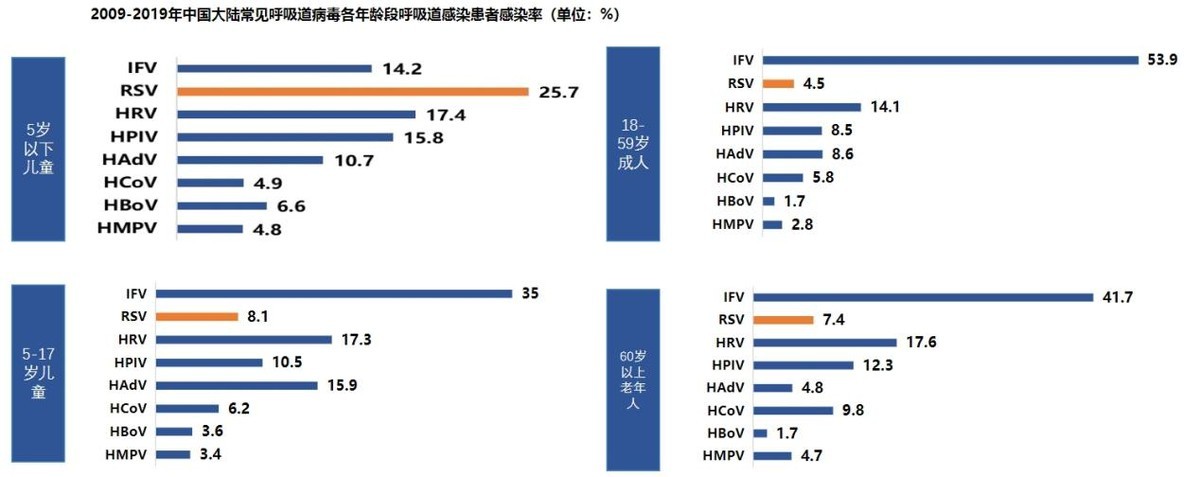
During the same period, RSV infection rates in China were 25.7% for children under 5, 8.1% for ages 5-17, 4.5% for ages 18-59, and 7.4% for seniors over 60.
In the highest-risk group (children under 5), RSV infections accounted for 2.3% of neonatal deaths and 6.7% of post-neonatal deaths. Among immunocompromised elderly populations in the U.S., 60,000–160,000 seniors are hospitalized annually due to RSV, with 6,000–10,000 deaths.
Additionally, individuals previously infected with RSV can still be reinfected. Currently, there is no specific treatment for RSV infections, making vaccination the primary method to prevent severe cases and reduce mortality.
Globally, only GSK and Pfizer have approved RSV vaccines. In 2023, GSK's RSV vaccine Arexvy generated £1.238 billion (~$1.55 billion) in sales, while Pfizer's RSV vaccine sales reached $890 million.
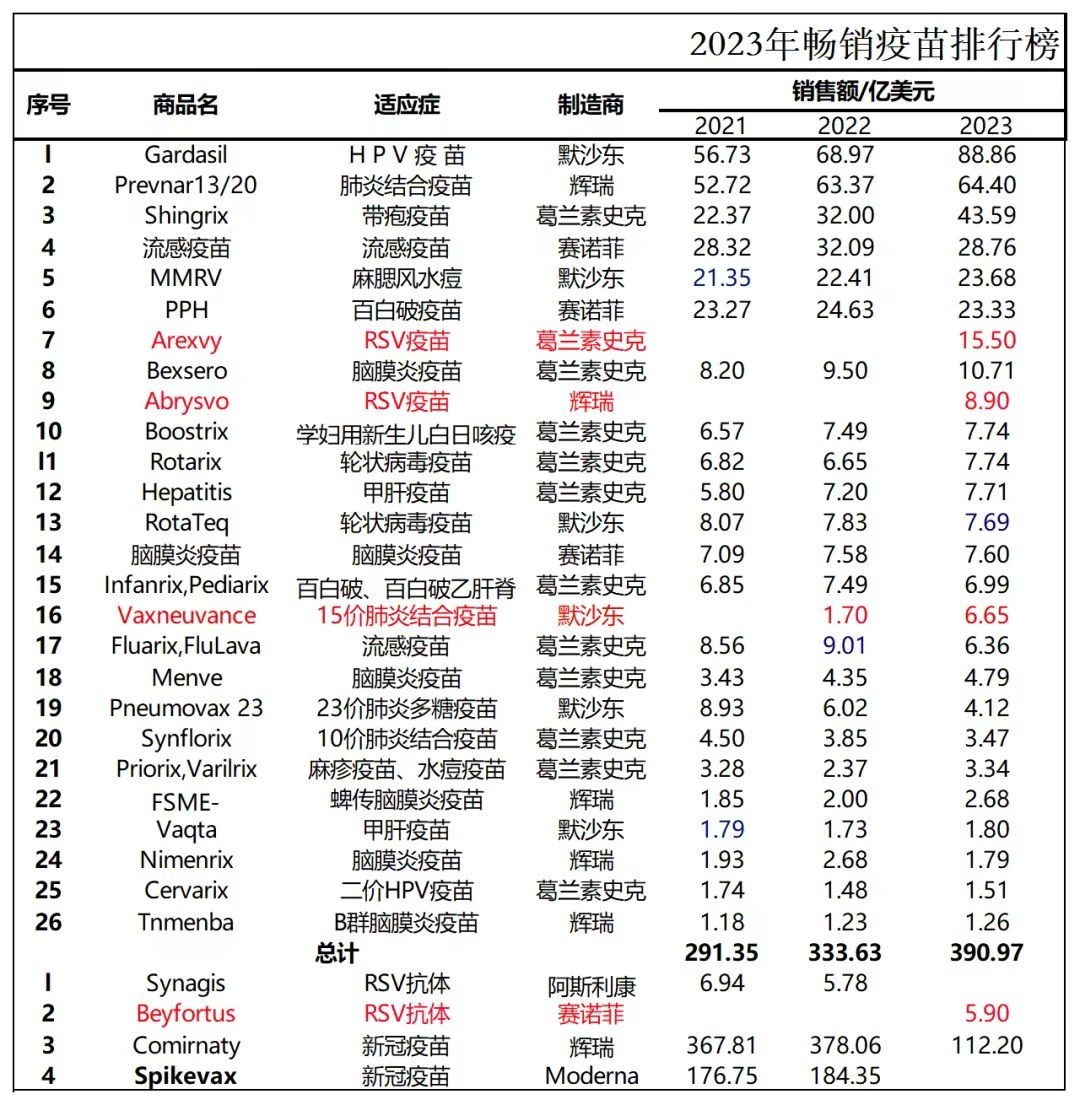
(2023 Global Top-Selling Vaccines)
Due to rapid adoption, both GSK and Pfizer's RSV vaccines entered the 2023 global top 10 vaccine sales rankings.
In Q1 2024, GSK's revenue reached £7.36 billion, exceeding market expectations of £7.07 billion, driven by stronger-than-expected RSV vaccine growth. GSK subsequently raised its full-year profit guidance.
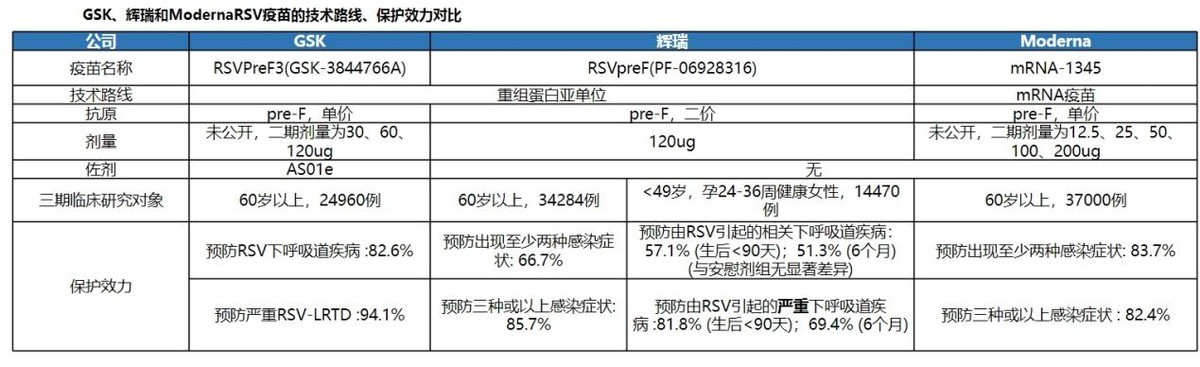
(Comparison of Three RSV Vaccines' Efficacy)
With Moderna's mRNA RSV vaccine approval, the global RSV vaccine count rises to three. Due to dosing convenience and pricing advantages, Moderna expects its vaccine to generate up to $4 billion in 2024 sales.
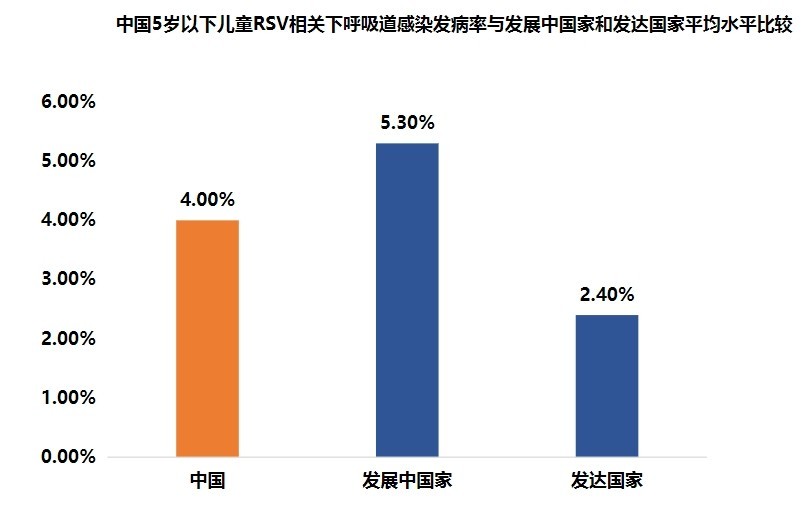
Over 95% of RSV-related acute lower respiratory infections in children under 60 months occur in low- and middle-income countries. China's infection rate (4%) falls between developed and developing nations. Among seniors, RSV vaccine penetration in the U.S. reached ~11% within a year of launch.
Pricing-wise, U.S. RSV vaccines cost ~$300 per dose (~¥2,100+). If approved in China, pricing is likely to be ¥1,500–2,000 per dose.
Demand-wise, China has ~375 million children under 5 and seniors over 60. Since RSV vaccines are not mandatory, assuming a 7% penetration rate (slightly below the U.S.), over 25 million people could be vaccinated. Overall, China's RSV vaccine market could peak at ¥37.5–50 billion.
No domestic RSV vaccines are approved yet. Among domestic developers, Advaccine is in Phase II trials, while Clover Biopharmaceuticals is in Phase I. In mRNA development, AIM Vaccine leads the pack. mRNA vaccines exclude infectious pathogens, ensuring higher safety. Combined with lower production costs, mRNA is expected to dominate future RSV vaccines, making AIM one of China's first movers.
2. Changchun BCHT Biotechnology's Shingles Vaccine Revenue Exceeded ¥800 Million in 2023; AIM's mRNA Product Holds Promise in Efficacy and Pricing.
Five years ago, my mother suffered unbearable back pain, later diagnosed as shingles. Immunocompromised individuals (especially seniors over 50) face higher shingles risks. Even with symptomatic relief, the virus reactivates in ~1/3 of patients, potentially causing nerve pain lasting months or years if untreated.
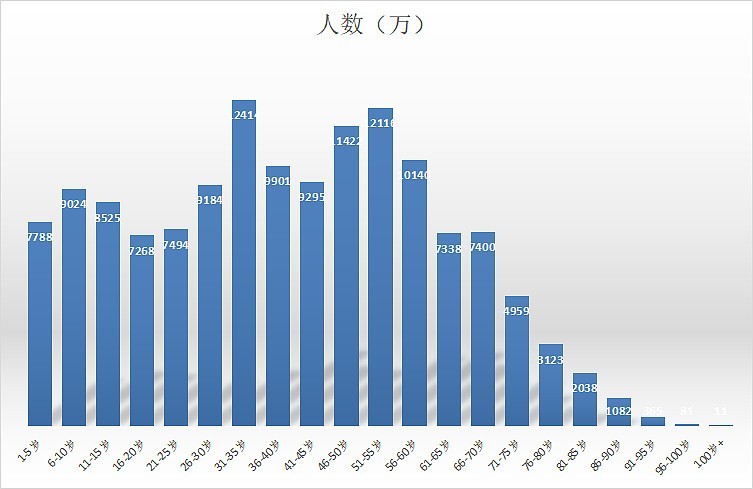
(2022 Population Age Distribution)
By end-2023, China had over 500 million people aged 50+. Shingles vaccines will significantly improve seniors' quality of life.
Globally, GSK's shingles vaccine Shingrix generated $4.37 billion in 2023 sales, ranking third among top-selling vaccines.
Domestically, only Changchun BCHT Biotechnology has an approved shingles vaccine, with 2023 sales of ¥883 million.
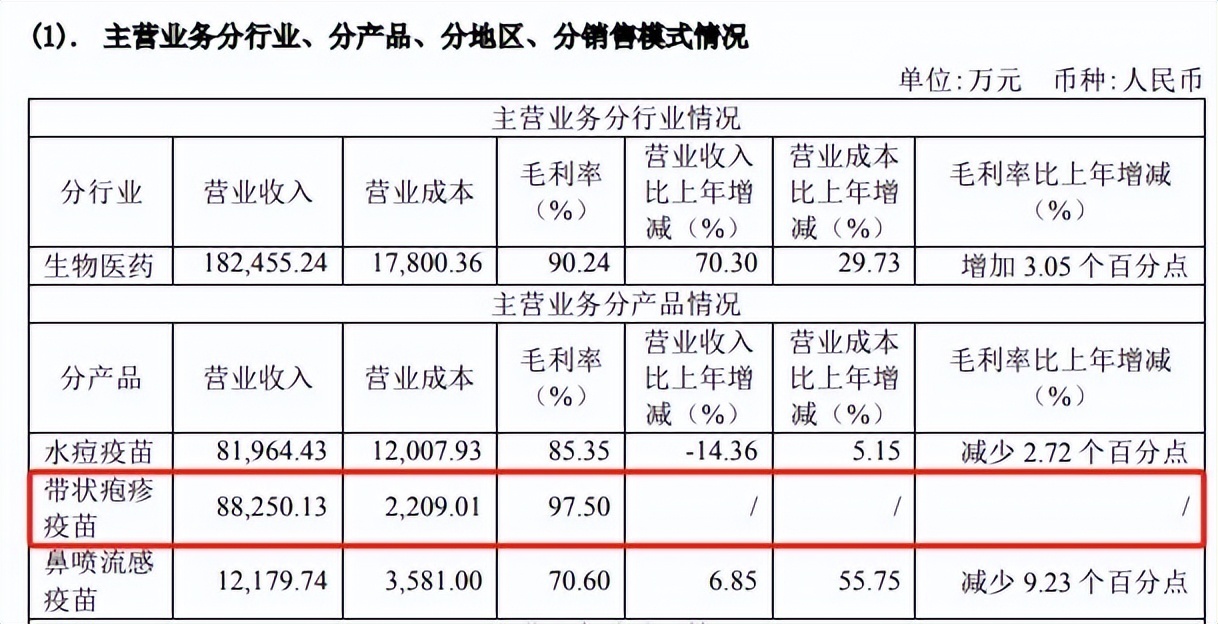
(Changchun BCHT Biotechnology 2023 Annual Report)
SDIC Securities estimates that assuming full two-dose Shingrix compliance, penetration among China's 40+ population was only 0.4% by end-2023 (0.2–0.3% actual). Huge room for growth remains.
In October 2023, Zhifei Biological signed an exclusive distribution agreement with GSK for Shingrix, with minimum purchase commitments of ¥3.44 billion (2024), ¥6.88 billion (2025), and ¥10.32 billion (2026), reflecting a 73.2% CAGR and validating the vaccine's high growth potential.
Changchun BCHT's shingles vaccine is priced at ¥1,369 per dose. Analysts project China's shingles vaccine market to reach ¥20–30 billion by 2030.
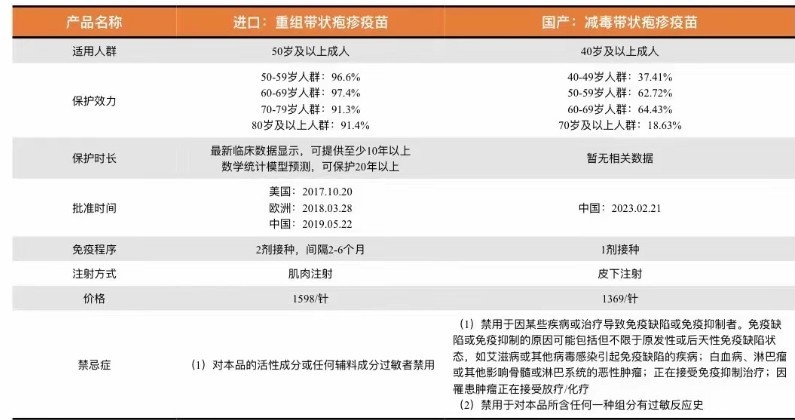
(Product Manual Summary)
$BCHT(688276.SH)'s shingles vaccine covers a broader age range and offers better patient compliance (single-dose), but its non-single-arm efficacy data is less competitive. However, GSK's Shingrix also faces challenges like post-vaccination fever and localized pain. AIM's mRNA vaccine could compete on price, dosing, efficacy, and adverse reaction rates.
As AIM stated, shingles vaccines work by enhancing T-cell-mediated immunity to prevent viral reactivation—aligning perfectly with mRNA vaccines' strengths (no adjuvant needed, better safety). In short, mRNA vaccines offer superior efficacy and safety.
3. mRNA's Therapeutic Potential Is Vast; AIM's Solid Pipeline Warrants Reassessment.
While mRNA vaccines excel in prevention, their therapeutic potential remains untapped.
In April 2024, Bristol Myers Squibb (BMS) partnered with Flagship's Repertoire Immune Medicines in an $1.8 billion deal to develop mRNA-based autoimmune vaccines for type 1 diabetes and rheumatoid arthritis.
Nature Reviews Drug Discovery projects the mRNA drug market to grow from 2028, reaching $23 billion by 2035. Preventive vaccines will remain dominant (>50%), while cancer vaccines and therapeutics will claim 30% and 20%, respectively.
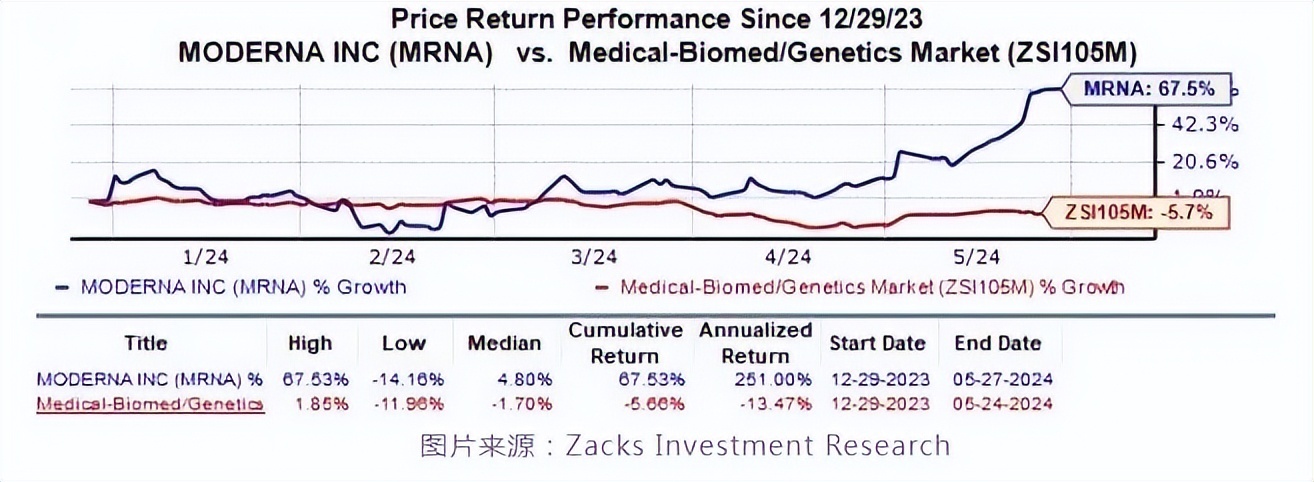
Moderna's stock surged 67.5% YTD (vs. biotech sector's 5.7% decline), driven by its RSV vaccine approval and broad pipeline (monkeypox, Zika, Nipah viruses, and therapeutic vaccines).
Many Chinese firms are developing mRNA vaccines, but AIM stands out as an early mover with proprietary patents, a mature R&D system, and multiple candidates. AIM has end-to-end mRNA capabilities (R&D to production), enabling rapid industrialization post-approval.
AIM has established GMP-compliant production facilities, and its mRNA vaccines have demonstrated superior safety/efficacy in trials. Its next-gen rabies mRNA vaccine requires fewer doses, induces faster antibody response, and offers stronger protection than traditional virus-based vaccines.
The second global mRNA vaccine approval reaffirms the technology's value—a golden opportunity in biopharma. First movers with commercialization capabilities will dominate domestic and emerging markets (Middle East, Latin America, Africa). AIM, with its strong R&D, is well-positioned.
Currently, AIM's stock underperforms due to: (1) post-Covid financial drag, (2) high R&D spending (unrecognized by short-term-focused investors), and (3) weak sentiment in Hong Kong's biotech sector. However, Fed rate cuts could boost sector valuations, and cash-strapped biotechs may partner with AIM for therapeutic mRNA development. Over the next two years, AIM's mRNA platform will shift from pure investment to balanced output, especially after Moderna's RSV vaccine approval, driving a mid-term valuation reassessment.
The copyright of this article belongs to the original author/organization.
The views expressed herein are solely those of the author and do not reflect the stance of the platform. The content is intended for investment reference purposes only and shall not be considered as investment advice. Please contact us if you have any questions or suggestions regarding the content services provided by the platform.
