

What are stablecoins? The 'safe haven' of crypto investments, a must-learn for beginners!

In the cryptocurrency market, significant price fluctuations are commonplace. For mainstream coins like Bitcoin and Ethereum, daily rises or falls of over 10% are not uncommon. In such a market environment, stablecoins are rapidly becoming a safe haven for an increasing number of investors amidst the turbulence—they not only provide a stable medium of exchange but also have the potential to reshape global payment and financial infrastructure.
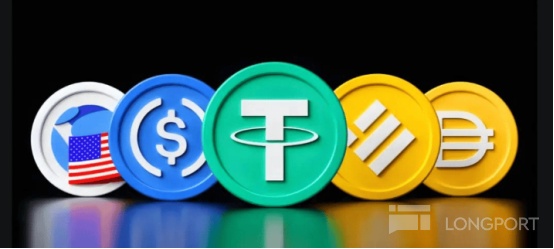
So, what exactly are stablecoins? How do they maintain stability? And how should beginners use them correctly? This article will provide a comprehensive explanation.
1. What Are Stablecoins? Essentially a "Digital Dollar Anchor"
Stablecoins are a type of cryptocurrency pegged to fiat currencies (such as the US dollar or euro) or other assets, with the goal of maintaining relatively stable prices and avoiding extreme fluctuations. Most stablecoins are pegged 1:1 to the US dollar and are widely used in trading, hedging, and fund transfers.
To put it simply:
- They act as "dollar substitutes" in the digital currency world;
- They are common "intermediary tools" for trading crypto assets like Bitcoin and Ethereum;
- They also serve as circulation vehicles for cross-border transfers and on-chain financial activities.
In summary, stablecoins do not pursue high returns but rather aim for relative price stability.
2. How Do Stablecoins Maintain "Stability"? Different Mechanisms Behind Them
Currently, mainstream stablecoins can be broadly categorized into three types based on their operational mechanisms:
1. Fiat-Collateralized Stablecoins
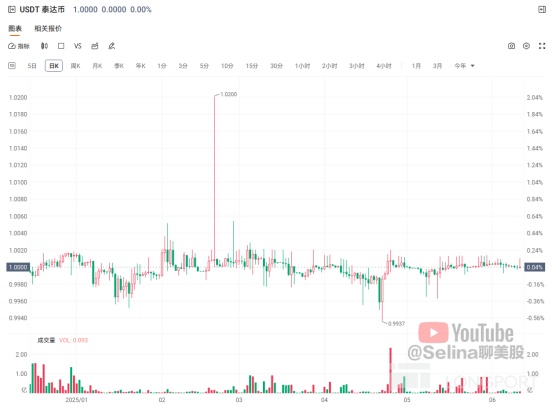
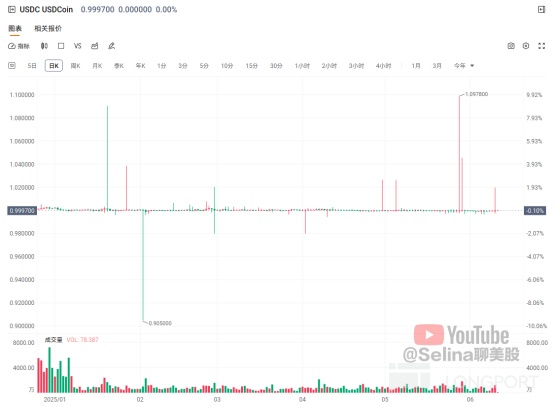
The most common type, issued by centralized institutions and backed by real US dollar reserves in bank accounts. In theory, for every stablecoin issued, there is $1 in reserve as collateral.
- Representative projects: USDT (Tether), USDC ($Circle(CRCL.US) )
- Advantages: Stable prices, widespread circulation
- Risks: Requires trust in the issuing institution. It is recommended to prioritize projects that disclose reserves and undergo audits, such as USDC
2. Crypto-Collateralized Stablecoins
These stablecoins are generated by over-collateralizing cryptocurrencies (e.g., ETH). To account for price volatility, they typically require high collateral ratios (e.g., 150%).
- Representative project: DAI (issued by MakerDAO)
- Advantages: Decentralized, controlled by smart contracts
- Risks: If the collateral asset's price drops significantly, it may trigger liquidation mechanisms, leading to value fluctuations
3. Algorithmic Stablecoins
These rely on algorithms to adjust market supply and demand, without requiring real asset collateral. This mechanism is theoretically decentralized but has historically been unstable and prone to rapid loss of control during periods of low market confidence.
- Representative project: The now-defunct UST
- Extremely high risk, not recommended for beginners
3. Typical Uses of Stablecoins: More Than Just "Holding for Safety"
As infrastructure in the crypto space, stablecoins have uses far beyond "temporary hedging," including:
- Hedging and profit-taking: Quickly converting assets into stablecoins during extreme market volatility to lock in gains or limit losses;
- Trading intermediary: Almost all crypto exchanges use stablecoins as base trading pairs;
- Cross-border payments and fund transfers: On-chain transfers are low-cost and fast, outperforming traditional financial channels in some cases;
- DeFi participation: Providing liquidity, staking, or earning interest in decentralized finance (beware platform risks).
4. Risk Warning: Stablecoins Are "Stable" but Not "Risk-Free"
Although stablecoins themselves have minimal price volatility, we must remain vigilant about the following key risks:
1. Issuer credit risk: Some stablecoins lack transparent audits and reserve disclosures, potentially suffering from "insufficient funds";
2. Platform risk: If the platform storing or trading stablecoins is hacked or misuses funds, users may face asset losses;
3. Regulatory risk: Stablecoins have recently drawn attention from authorities worldwide. Future policy changes could impact circulation and usage, and differences between countries' policies may lead to liquidity disruptions.
Special reminder: Some platforms offer "high-interest deposit plans" that may carry principal risks. Products with annualized returns exceeding 10% require extra caution.
5. Conclusion: Stablecoins Are Essential Tools in Crypto, Use Them Wisely
As a "stable anchor" in the digital asset ecosystem, stablecoins are not only the first lesson for novice investors entering the crypto space but also a critical tool for seasoned traders in volatile markets. However, users should always remain alert to project transparency, platform compliance, and market risks.
Three recommendations for reference:
- Prioritize mainstream, transparent stablecoins (e.g., USDC, USDT)
- Only trade and store on compliant, large platforms
- Participate in high-yield products only after thorough risk assessment
Only by understanding their underlying mechanisms and using them rationally can stablecoins truly become a "safe haven" on your crypto investment journey.
6. Future Outlook: Reshaping the Global Financial Order
As blockchain technology and regulatory frameworks mature, stablecoins may become a key component of global digital payment and settlement systems. Whether in cross-border payments, digital trade, or the integration of central bank digital currencies, stablecoins could play a pivotal role.
They are not just "safe havens" in the crypto space but are also becoming the "cornerstone" of a new financial system.
$Coinbase(COIN.US) $Digital currency concept(CP00079.US)
The copyright of this article belongs to the original author/organization.
The views expressed herein are solely those of the author and do not reflect the stance of the platform. The content is intended for investment reference purposes only and shall not be considered as investment advice. Please contact us if you have any questions or suggestions regarding the content services provided by the platform.
