

How to seize the opportunity in semiconductor storage?

From 2020 to 2023, I worked as a Semiconductor Procurement Manager at a large manufacturing company. That year, I experienced a severe and comprehensive semiconductor shortage crisis. I remember that every time a batch of chips arrived, we had to calculate across our three factories how many chips were needed for production scheduling and how long the incoming inventory would last. Even so, we still couldn't meet manufacturing demands. To address this, the supply chain brought in a colleague who had previously served as the head of the R&D department to develop seven different chip combination solutions for a mature product model. I also recall seeing BYD doing something similar in the news at that time.
So, how was that round of chip shortages triggered?
It was mainly due to explosive demand for computer terminals caused by remote work overseas during the pandemic, compounded by shipping companies' misjudgment of cyclical trends after the pandemic, which led to a paralysis of shipping capacity. In other words, supply could not keep up with demand.
During that painful period of material shortages, the supply chain became extremely averse to the production stoppage losses caused by such shortages. The Supply Chain Director requested a 6-to-9-month chip reserve from us, which inadvertently amplified the perceived demand for chips. We even ignored the reminders from chip distributors advising against overstocking.
After 2023, due to internal rotation requirements, I was transferred to other roles. However, this crisis left a deep impression on me, and I have remained very attentive to developments in the chip industry.
For this reason, I started researching chips on my own. I found that while chip demand indeed rises every year, supply increases in a stepwise manner because launching chip production requires massive capital expenditure and a long ramp-up period; it takes three to four years to achieve stable yields and supply.
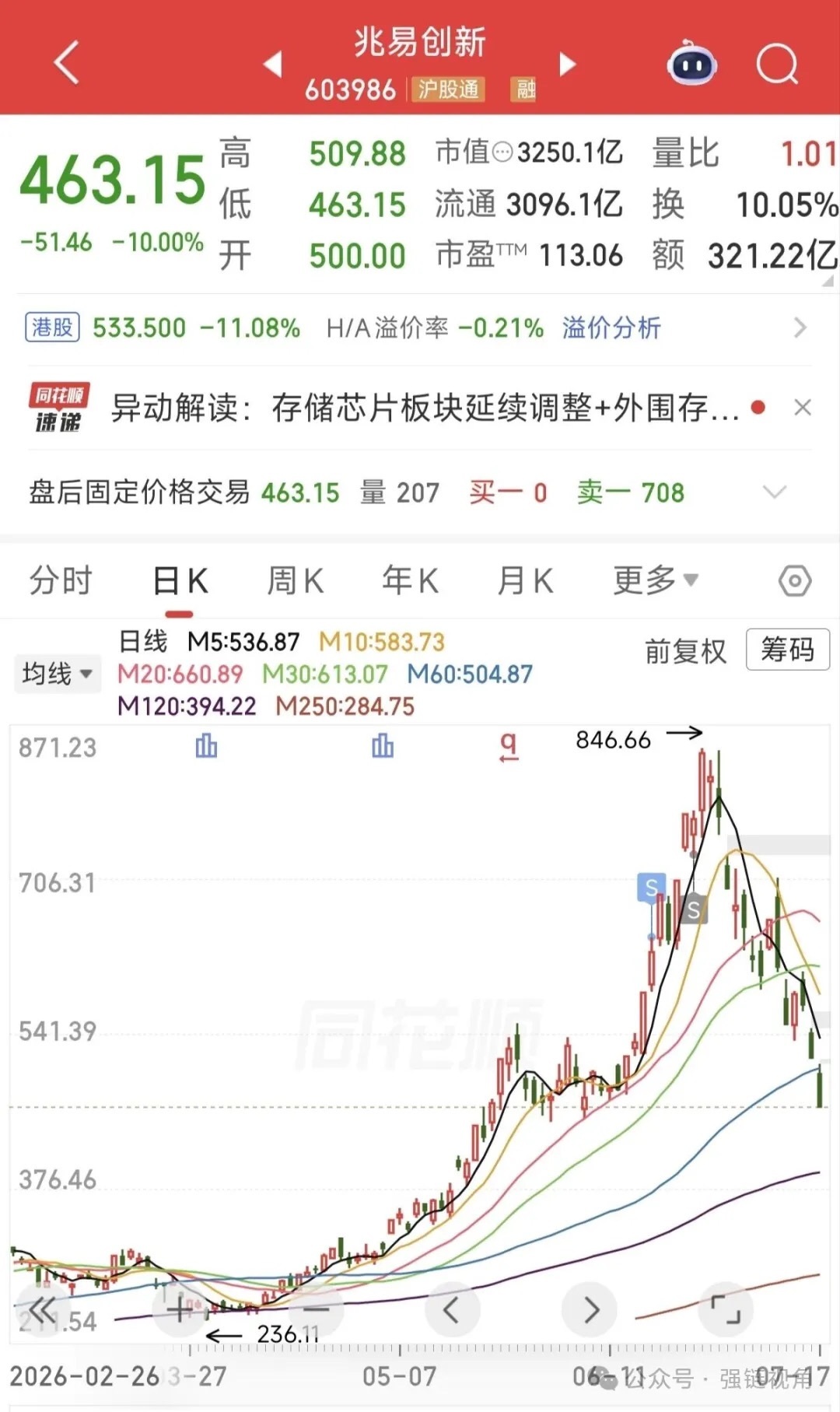
In previous articles, I discussed investment opportunities in daily life—a point Peter Lynch repeatedly emphasized in his earlier works. So, when I saw news about GigaDevice (兆易創新) raising prices in 2024, I began asking semiconductor distributors about their current inventory levels. They told me that stocks were nearly depleted. This led me to analyze the demand and competitive landscape for memory chips. I discovered that entering the memory chip market requires enormous investment, resulting in very few competitors globally. Among Chinese listed companies, only GigaDevice operates at scale. Meanwhile, the explosion of short-form video content has driven a steady annual increase in storage demand. Consequently, I started buying shares of GigaDevice.

Last month, I sold my position in GigaDevice, which I had held for over two years.
I will explain the logic behind the sale on another occasion.
The copyright of this article belongs to the original author/organization.
The views expressed herein are solely those of the author and do not reflect the stance of the platform. The content is intended for investment reference purposes only and shall not be considered as investment advice. Please contact us if you have any questions or suggestions regarding the content services provided by the platform.
