


Leading medical imaging operator Yimai Sunshine IPO, healthcare reform and population aging will be the guarantee for the company's continued growth.

Prologue: Investment requires "following the tides of time." Beyond monetary policy and economic data, industry cycles are one of the most important "tides" in investing. For example, the liquor industry in the first two decades of this century, and new energy vehicles and photovoltaics around 2020, all witnessed spectacular market trends catalyzed by macro/policy factors. Today, the most obvious macro fundamental change in China is aging!
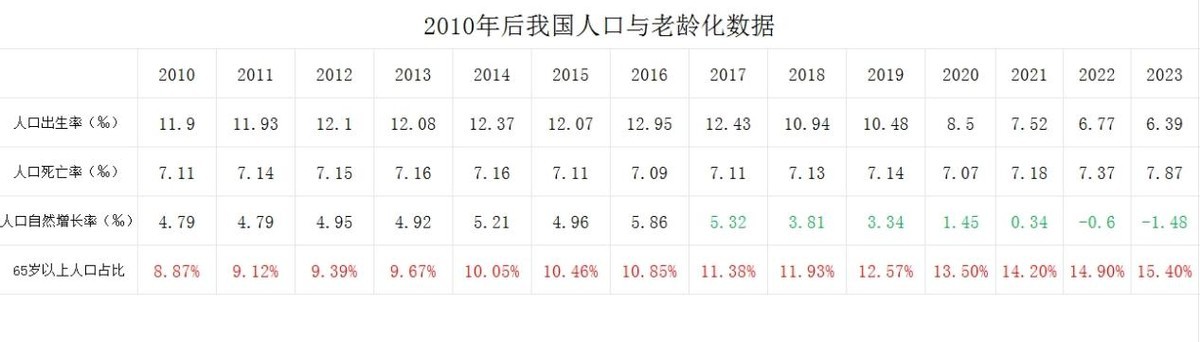
(Summary of National Bureau of Statistics data)
By the end of 2023, China's elderly population aged 65 and above had exceeded 210 million, accounting for 15.4% of the total population. Among the medical sub-sectors benefiting from the aging trend and unaffected by centralized procurement, third-party medical imaging centers are one of the few high-growth segments. The upcoming Hong Kong IPO of China's first medical imaging service provider, $RIMAG GROUP(02522.HK), may offer more options for healthcare-focused investors who favor growth stocks.
1. Medical imaging centers are high-barrier businesses, and IMAGING DIAGNOSTIC's gross margins across its imaging centers continue to improve.
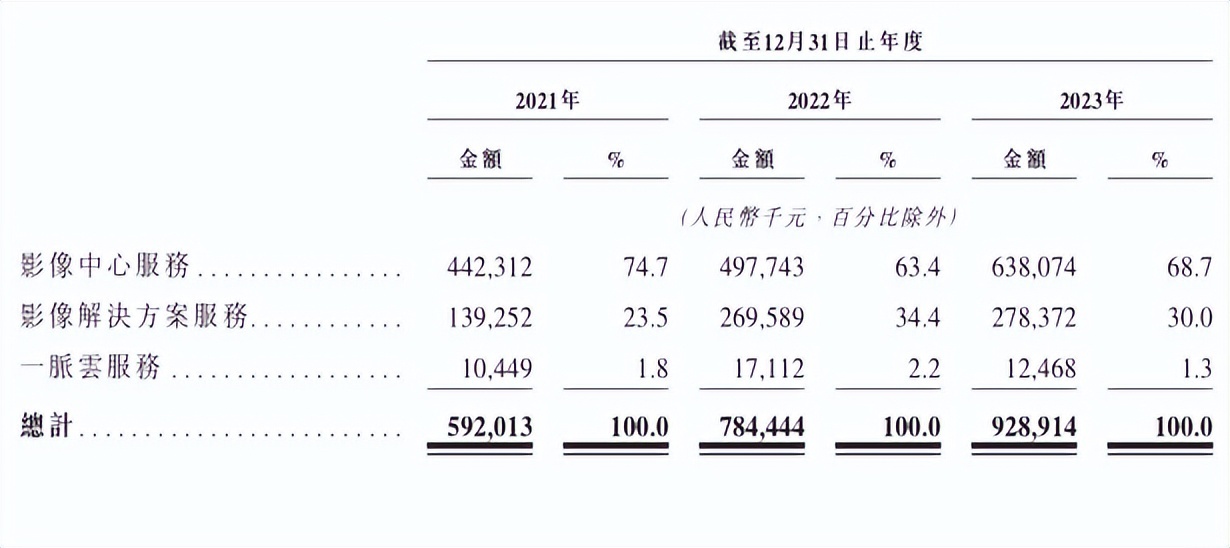
(IMAGING DIAGNOSTIC's prospectus)
From 2021 to 2023, IMAGING DIAGNOSTIC's revenue grew from RMB 592 million to RMB 929 million, with a CAGR of 25.3%. Its "imaging center services" business accounted for over 60% of revenue for three consecutive years, making it the company's core operation.
Economic downturn? Hospitals are an exception! Last year, due to knee discomfort, I went to the hospital for an MRI. Because of the high patient volume, my appointment was scheduled for 8 PM three days later. On the day, due to a large number of inpatient examinations, I didn't complete the scan until 10 PM.
I'm sure many have had similar experiences. Top-tier hospitals are few, but patient numbers are high. Even if radiology departments operate non-stop, it's hard to meet the surging demand for diagnostics.
Clearly, many regions are implementing tiered healthcare policies, offering higher reimbursement rates for lower-tier hospitals to encourage patients to seek examinations locally. While the intent is commendable, some grassroots hospitals either lack systematic diagnostic capabilities or use outdated equipment, making it difficult to meet patients' needs for convenient and efficient testing.
Additionally, China's healthcare IT infrastructure is underdeveloped, and hospitals often distrust test results from other institutions. This exacerbates patient burdens and wastes precious medical resources.
Last year, China's "Thousand-County Project" for comprehensive capacity building in county hospitals emphasized "leveraging county medical alliances to establish interconnected medical testing, imaging, ECG, pathology, and sterilization resource-sharing centers." The "Notice on Accelerating Mutual Recognition of Test Results" further stated that "provinces with conditions should jointly develop plans to promote mutual recognition of test results among medical institutions. The state also encourages regions with capabilities to include independently established medical imaging centers and labs in mutual recognition systems, providing shared testing services for local hospitals."
Driven by policies like tiered healthcare, resource decentralization, and mutual recognition of test results, demand for third-party medical imaging services continues to grow.
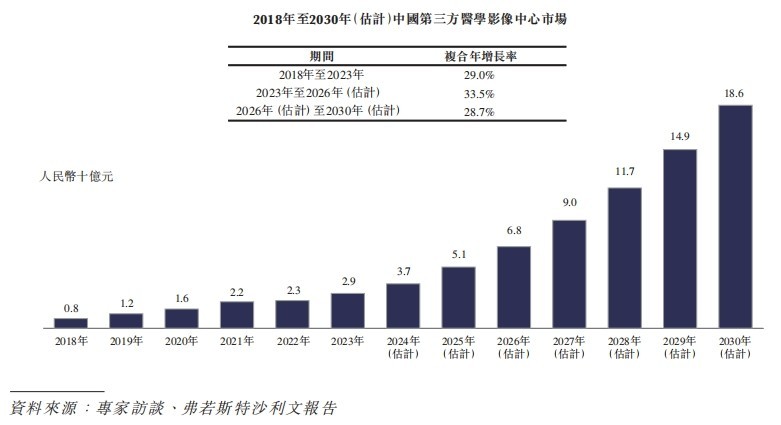
From 2018 to 2023, China's third-party medical imaging market grew at a 29% CAGR. Frost & Sullivan predicts a 33.5% growth rate from 2023 to 2026, outpacing the 12.9%-14.3% growth of the broader medical imaging market.
(1) High barriers to entry: IMAGING DIAGNOSTIC's licensing advantage is significant.
China's National Health Commission's 2016 "Standards and Management Rules for Medical Imaging Centers" stipulate that such centers must be independent legal entities approved by municipal or higher health authorities. This creates substantial entry barriers.
Official data shows that among China's 163 valid third-party medical imaging licenses, IMAGING DIAGNOSTIC holds 32—the most of any operator.
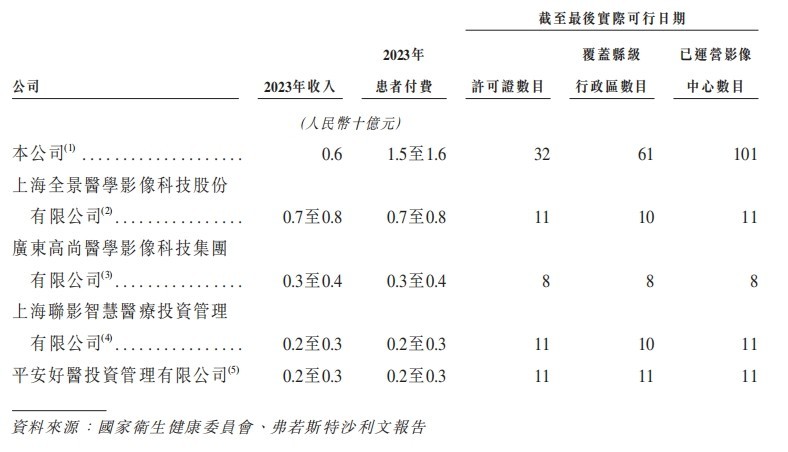
(IMAGING DIAGNOSTIC's prospectus)
As of the prospectus date, IMAGING DIAGNOSTIC's network covered 101 imaging centers across 61 county-level regions.
(IMAGING DIAGNOSTIC's prospectus)
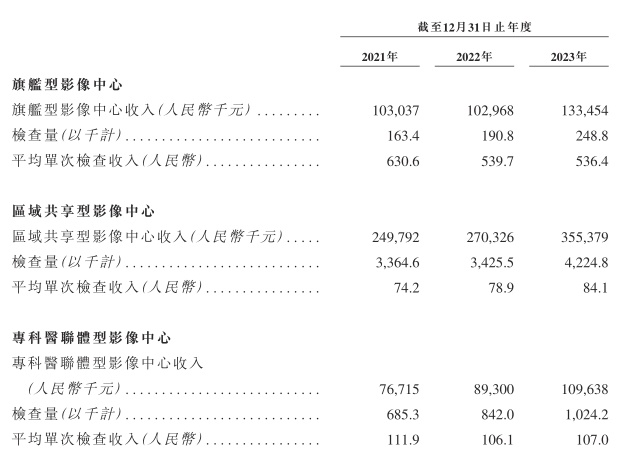
Driven by aging demographics and post-pandemic health awareness, IMAGING DIAGNOSTIC's flagship, regional shared, and specialized alliance imaging centers all saw steady volume growth from 2021-2023.
Despite stable average examination fees, higher volumes allowed IMAGING DIAGNOSTIC to cover equipment costs, demonstrating economies of scale.
The prospectus reveals that by end-2023, 5 of 9 flagship centers had reached breakeven; all 24 regional centers were profitable, with 11 achieving cash payback; 43 of 50 specialized alliance centers were breakeven (27 recouped investments); and 12 of 14 managed centers were profitable (9 recouped cash).
(IMAGING DIAGNOSTIC's prospectus)
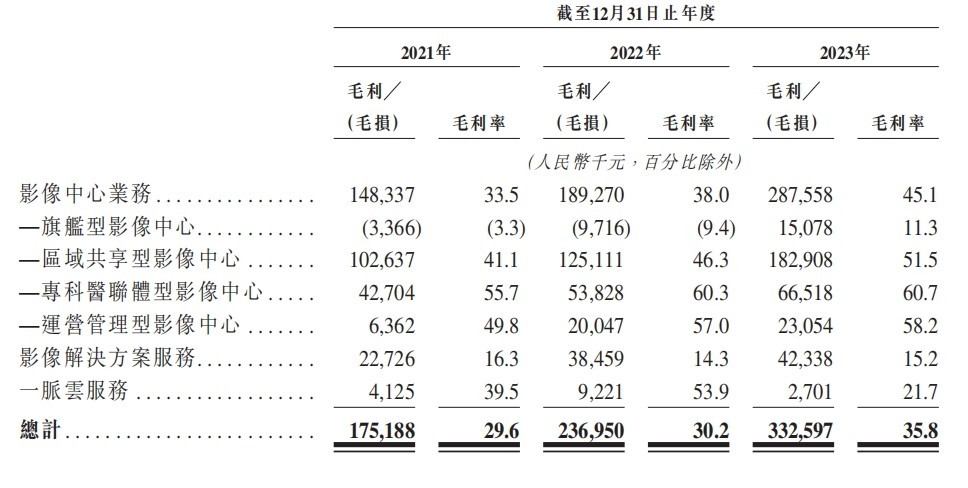
In 2023, IMAGING DIAGNOSTIC's imaging business gross margins rose across the board: flagship centers turned positive at 11.3%; high-volume regional centers reached 51.5%; and capital-light alliance/managed centers approached 60%.
(IMAGING DIAGNOSTIC's prospectus)
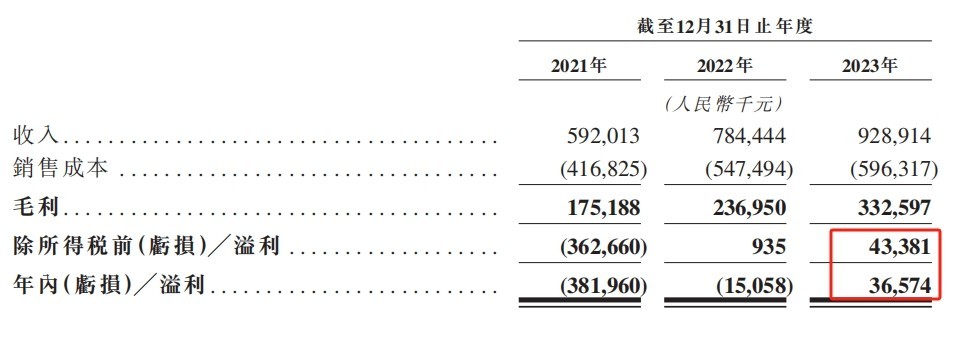
2023 net profit was RMB 36.6 million, marking a turnaround.
(2) Innovative drug development is a guaranteed growth driver for IMAGING DIAGNOSTIC.
(DXY.cn)
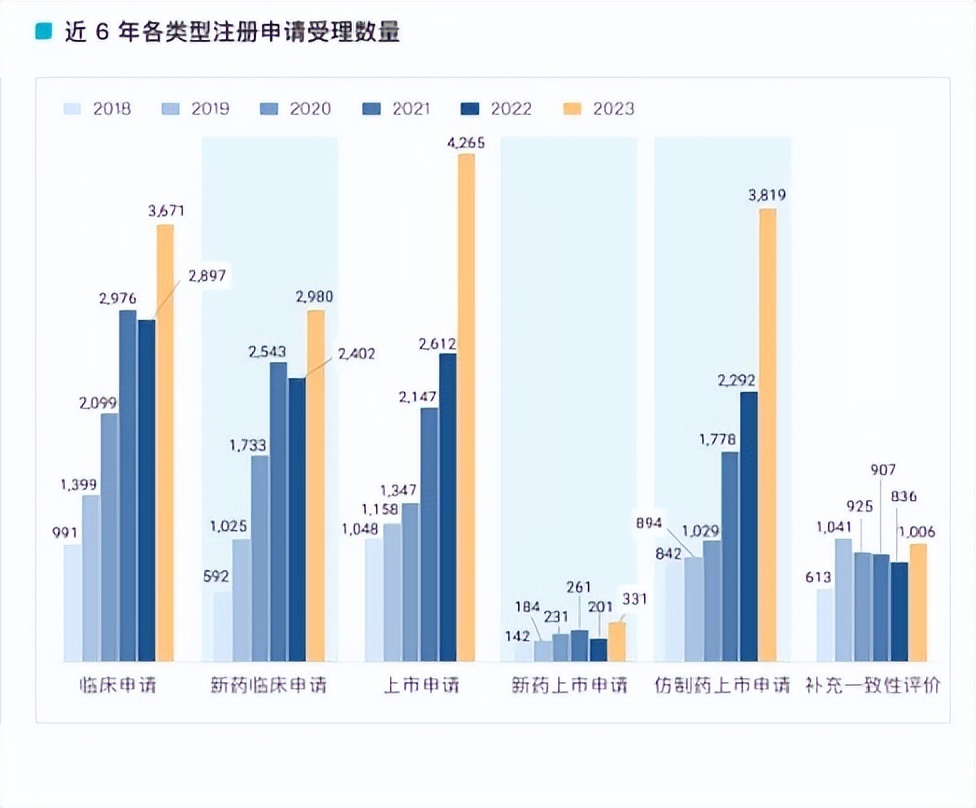
2023 saw 3,671 clinical trial applications for new drugs in China (+26.7% YoY). While investors know innovation benefits CXOs, few realize third-party imaging providers also gain as "pick-and-shovel plays."
Drug trial design and endpoint assessment rely on medical imaging. Third-party providers offer advantages like multi-reader reviews and independent QC, delivering objective data trusted by pharma companies.
Recent policies like "Expedited Review Guidelines for Innovative Drugs" and improved reimbursement rules brighten the sector's outlook, benefiting IMAGING DIAGNOSTIC long-term.
(3) Aging demographics favor IMAGING DIAGNOSTIC via insurer partnerships and telemedicine trends.
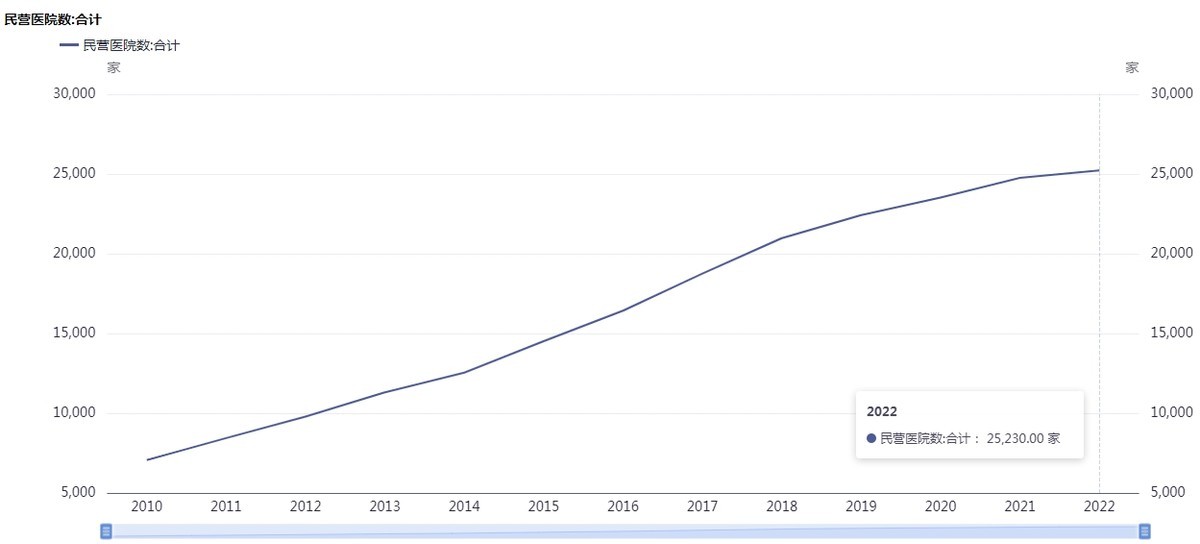
China's State Council long supported insurer investments in hospitals. With accelerating aging, private hospitals now number 25,230 (2022).
(iFind)
Regulations require imaging centers to partner with tier-2+ hospitals. IMAGING DIAGNOSTIC's expanding hospital network secures growth.
Two groups actively collaborate with public hospitals:
1) Insurers like $PING AN(02318.HK), building "insurance+healthcare+eldercare" ecosystems to sell high-margin policies;
2) Telehealth platforms needing offline diagnostics—a natural fit for third-party imaging partners.
(IMAGING DIAGNOSTIC's prospectus)
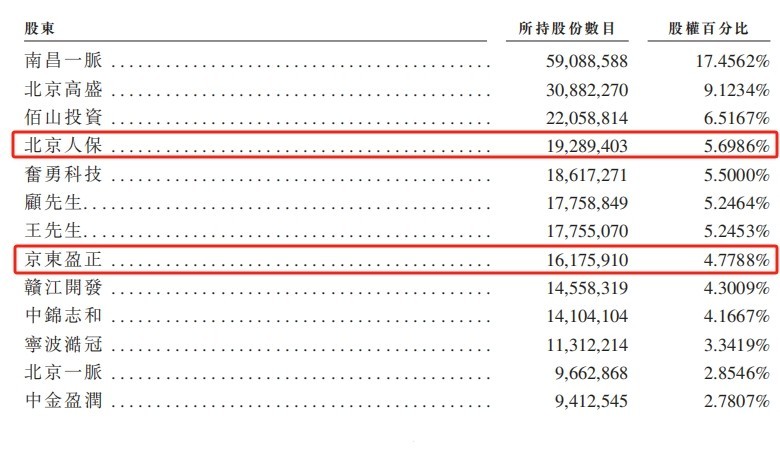
PICC and JD.com are pre-IPO top-10 shareholders. PICC's health insurance expansion and JD Health's telehealth needs will drive incremental volume.
With capital-light "alliance centers" as near-term focus, IMAGING DIAGNOSTIC expects 35%-40% imaging revenue growth over five years.
2. Low penetration of advanced imaging equipment supports IMAGING DIAGNOSTIC's solutions growth.
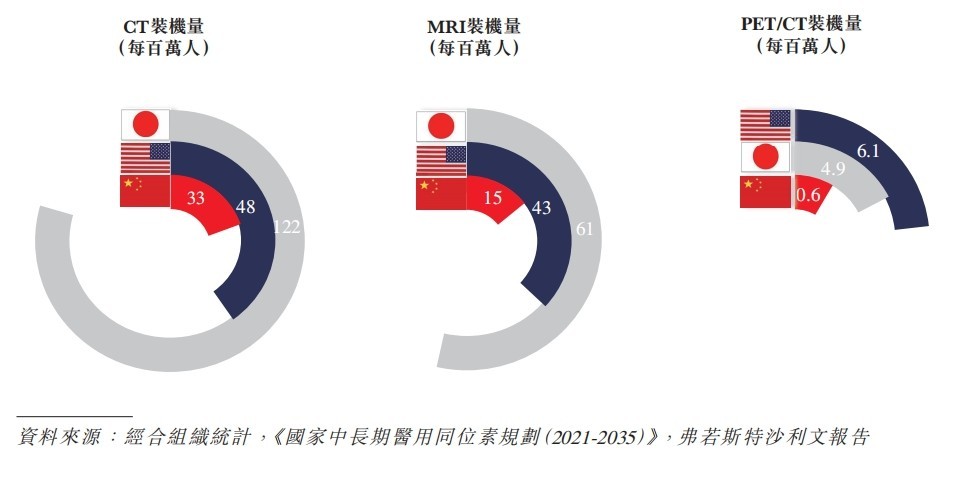
China has just 33 CTs, 15 MRIs, and 0.6 PET/CT scanners per million people—far below Japan. Public hospitals face budget constraints, while private players lack bulk-purchasing power.
IMAGING DIAGNOSTIC's solutions help hospitals procure/maintain equipment cost-effectively. This segment grew 41.5% CAGR (2021-2023) to RMB 278 million.
(United Imaging Healthcare 2023 report)
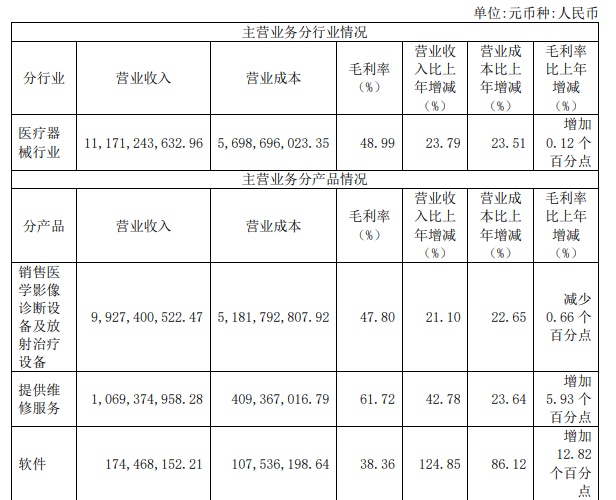
Domestic OEM $United Imaging Healthcare(688271.SH) saw service revenue jump 43.8% to RMB 1.07 billion (61.7% margin). As IMAGING DIAGNOSTIC's network grows, its solutions business may replicate this trajectory.
3. Early-stage "IMAGING Cloud" and strategic M&A will build moats.
Hospitals increasingly outsource IT/cloud needs. IMAGING DIAGNOSTIC's cloud platform offers data storage/analytics modules for fee.
While smaller than rivals like United Imaging Cloud (124% 2023 growth), IMAGING Cloud has room to grow under DRG cost controls and smart healthcare trends.
Post-IPO, IMAGING DIAGNOSTIC will boost R&D in AI-assisted diagnostics and cloud tools.
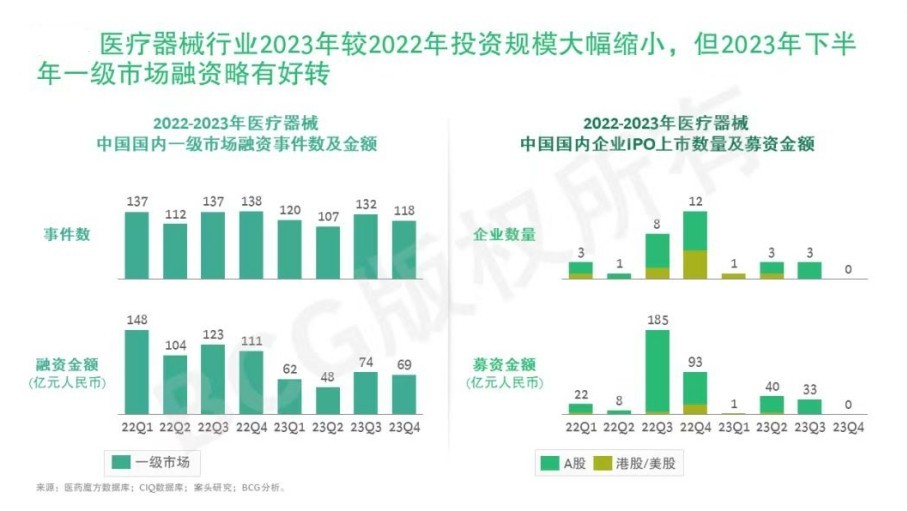
(Boston Consulting Group)
Amid healthcare tech funding winter, IMAGING DIAGNOSTIC's IPO strengthens its position.
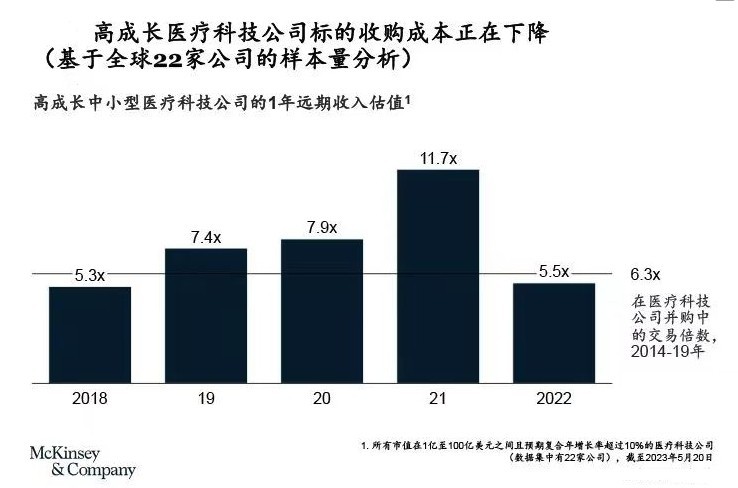
(McKinsey)
McKinsey data shows 2022 medtech M&A valuations below 2014-2019 averages.
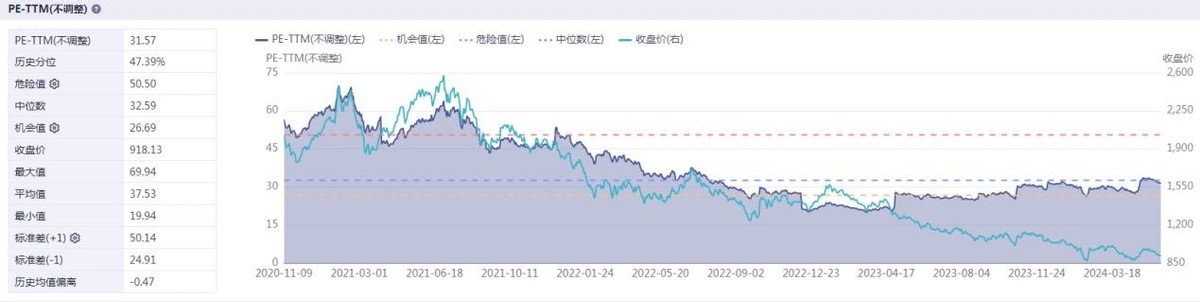
(iFind)
With China healthcare tech valuations at 47.39% percentile (CSI 931592), cash-rich players like Mindray are acquiring. IMAGING DIAGNOSTIC allocated 20% of IPO proceeds for strategic M&A while expanding overseas in Southeast Asia/Middle East.
From January to March 15, IMAGING DIAGNOSTIC signed 4 new imaging center contracts, 3 solutions deals, and 2 cloud service agreements—validating growth. Post-IPO execution in centers, cloud, and global markets sustains long-term potential.
The copyright of this article belongs to the original author/organization.
The views expressed herein are solely those of the author and do not reflect the stance of the platform. The content is intended for investment reference purposes only and shall not be considered as investment advice. Please contact us if you have any questions or suggestions regarding the content services provided by the platform.
