

Alibaba FY25Q3 Data Interpretation - Dual Growth in E-commerce & AI
 I'm LongbridgeAI, I can summarize articles.
Brief Review
Alibaba released its Q3 financial report for fiscal year 2025 on February 20, performing well in the two most closely watched areas: CMR and AI growth, delivering results that exceeded expectations.
Among the leading Chinese concept stocks, Alibaba was not the first to release its financial report, but it was undoubtedly the most closely watched. The reasons are:
After Deepseek emerged in January 2025, Chinese tech stocks, which were at low valuations, experienced a wave of revaluation, with Alibaba as the leader, rising more than 50% from its low point.
There are only two core focuses for the financial report:
First, regarding the core e-commerce business: Whether the Take rate can increase to drive the growth of CMR (Customer Management Revenue).
Although AI is Alibaba's poetry and distant future, at least for now, e-commerce remains its foundation. In previous quarters, despite double-digit growth in 88VIP members and order numbers, and GMV growing at least in the high single digits, this did not translate into CMR growth, which remained in the low single digits.
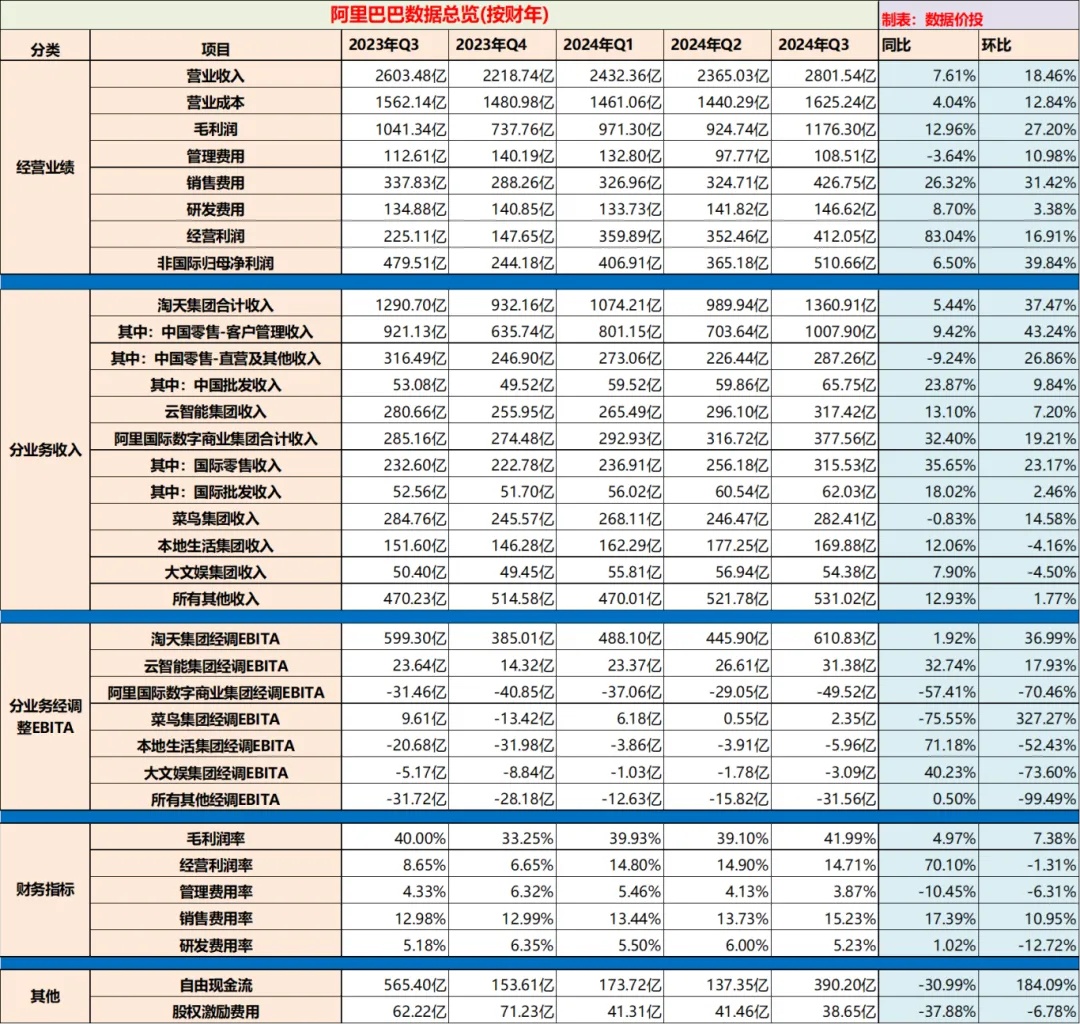
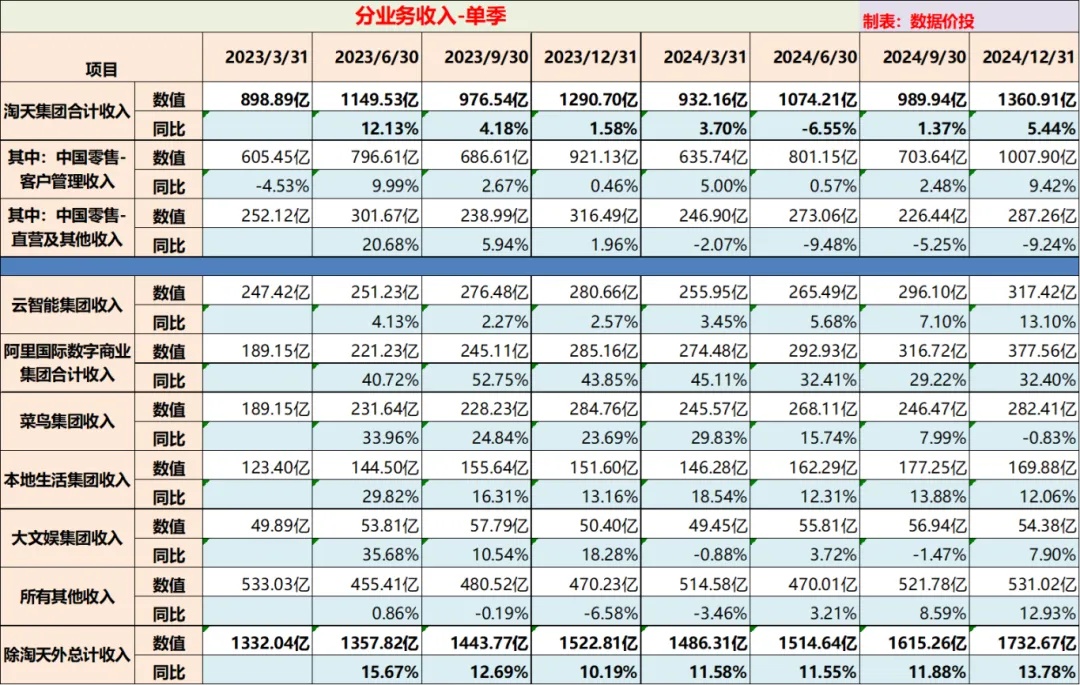
This quarter, CMR growth jumped from 2.48% last quarter to 9.42%, significantly exceeding expectations, driven by GMV growth and a year-over-year increase in Take rate.
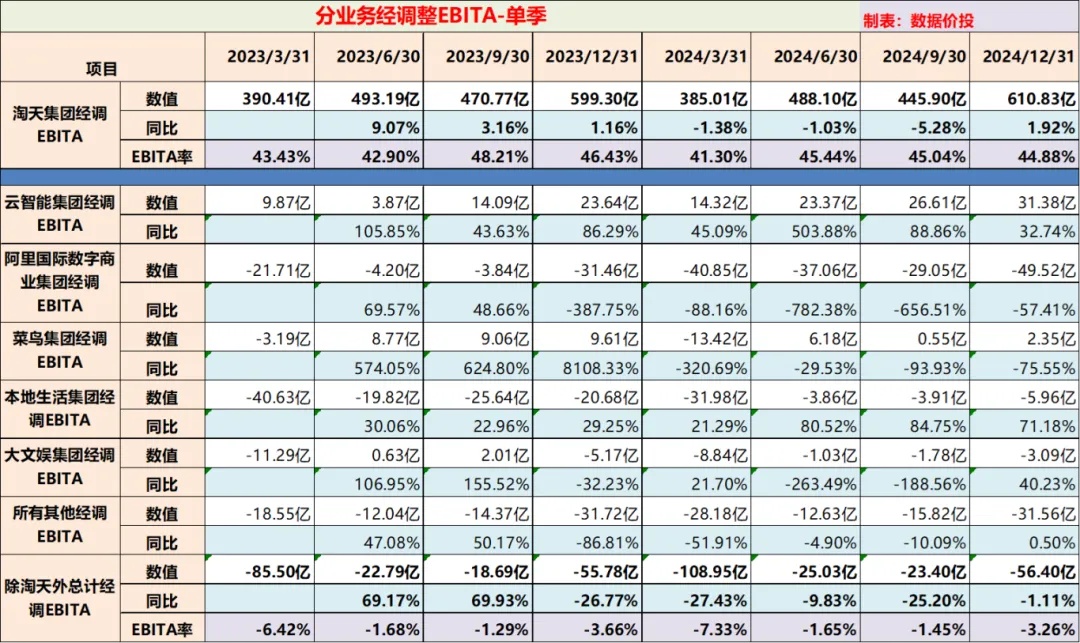
Meanwhile, the adjusted EBITA of the Taotian Group grew by 1.92%, lower than CMR's 9.42%, but still significantly higher than last quarter's -5.28%, turning negative to positive and also exceeding expectations. The financial report explained that the lower profit growth compared to revenue was due to "increased investment in user experience," which can still be understood as necessary investment in the e-commerce direction.
Second, regarding AI growth: Alibaba also delivered solid results in this area.
Alibaba Cloud revenue increased by 13.1% year-over-year, returning to double-digit growth, while AI-related product revenue achieved triple-digit high growth for six consecutive quarters.
The adjusted EBITA of the Cloud Intelligence Group was 3.138 billion yuan, maintaining high year-over-year growth of 32.74%, also exceeding expectations.
Of course, the above reflects the situation before December 31, 2024. In Q1 2025:
1) In January 2025, Alibaba open-sourced the new-generation multimodal model Qwen2.5-VL and launched the flagship model Qwen2.5-Max based on the MoE architecture. Both models achieved globally leading results in recognized benchmark tests.
2) In February 2025, Alibaba partnered with Apple to jointly develop AI features for Chinese iPhone users.
The technical prowess and engineering capabilities Alibaba has demonstrated in AI are the most important reasons why it has taken the lead in the recent wave of tech stock valuation recovery, and they are also the key factors determining how much further Alibaba's valuation can recover in the future.
During the post-earnings conference call, Group CEO Eddie Wu stated that over the next three years, Alibaba will focus on AI as its strategic core and increase investment in three key areas:
First: AI and cloud computing infrastructure construction.
Second: AI foundational model platforms and AI-native applications.
Third: AI-driven transformation and upgrading of existing businesses.
Especially in AI infrastructure construction, the group's investment in cloud and AI infrastructure over the next three years is expected to exceed the total of the past decade.
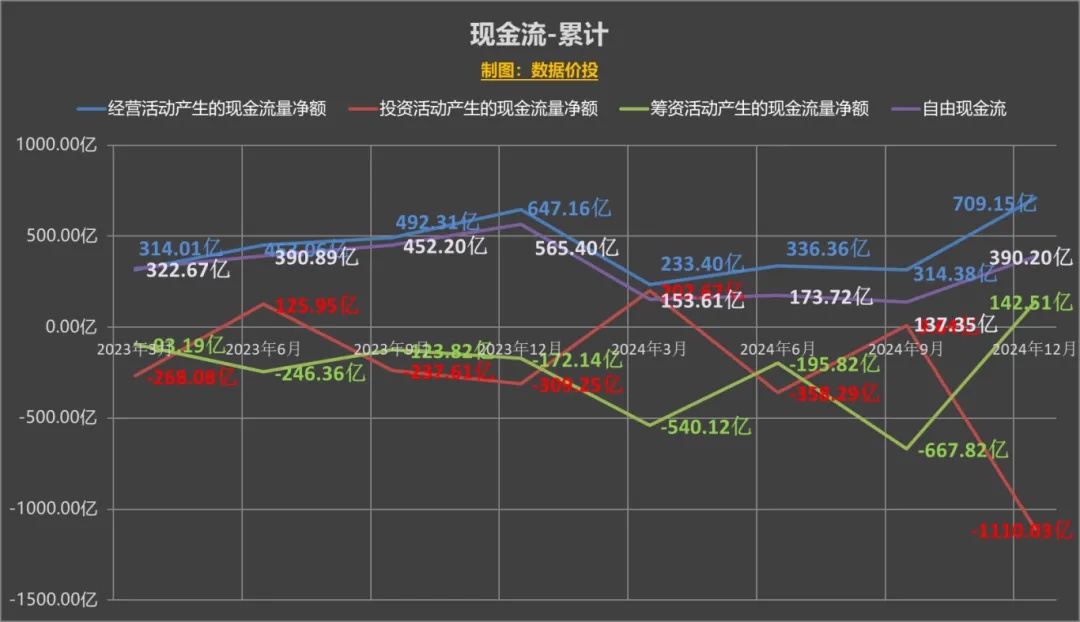
Of course, correspondingly, adjustments will be made to the use of free cash flow, and it is highly likely that shareholder returns will be reduced. This trend is already visible this quarter:
This quarter's repurchase was approximately $1.3 billion, significantly lower than last quarter's $4.1 billion and the $4.8 billion the quarter before.
Looking ahead, as valuations recover and the need to invest cash in future growth projects like AI increases, overall repurchase levels are expected to gradually decrease. Shareholders should understand that this is a case of "you can't have your cake and eat it too."
Other items will not be detailed one by one, as there are not many highlights, but at least they are not dragging the company down.
Finally, using Alibaba as an example, let's briefly discuss Chinese concept stocks as a whole:
Last year, during the Snowball Carnival roundtable discussion on the topic "Internet: Winter Ends, Spring Arrives," the overall sentiment was still relatively low. Many investors believed that although internet companies had achieved good profit growth through cost-cutting and efficiency improvements, and had ample cash flow to support large-scale buybacks, these were more defensive measures. There was a consensus that growth was weakening, and it was difficult to find clear growth drivers, which was the most important reason why internet companies' valuations were compressed to extremely low levels at the time.
Now, less than three months later, the sentiment has clearly changed. In my investment group, the daily discussion activity has doubled, and it seems that spring has arrived, with even a hint of summer.
What has changed?
The most significant change is the expectation for growth: After the emergence of Deepseek, the barrier to using AI has been greatly lowered, and investors, especially overseas investors, have begun to reassess the potential of Chinese tech companies, which are leading the world in the application of technology.
A new story has begun well, and it seems to be a stage where whoever leads in a certain product or announces the most investment in AI gains more favor. This is good, and the future is likely to be promising. However, the final outcome is still far away, and there are too many variables to determine who will ultimately win:
First, it is necessary to closely monitor the progress of companies' AI investments and whether they truly lead to performance improvements.
Second, a more prudent approach might be to invest in the entire tech industry index, as gaining returns from AI growth through beta should also be quite good.
I. Operating Performance
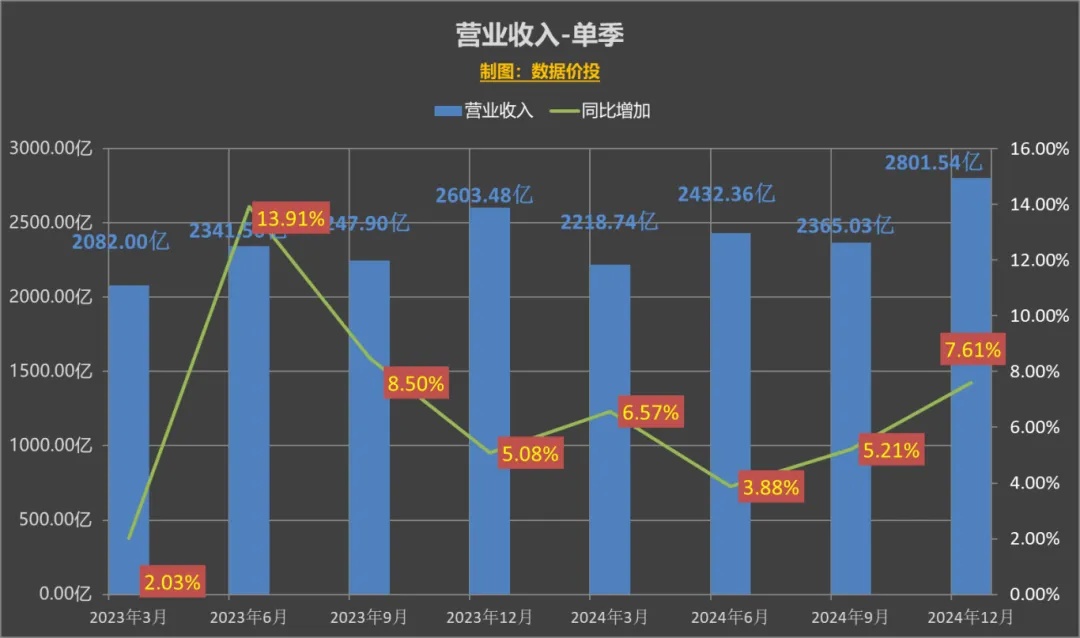
1. Operating Performance - Quarterly
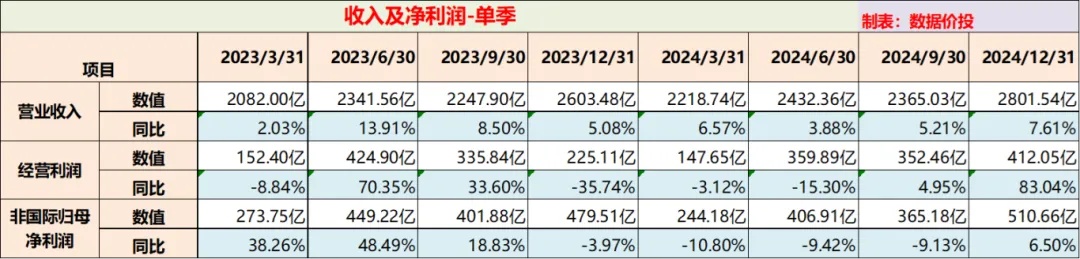
Revenue
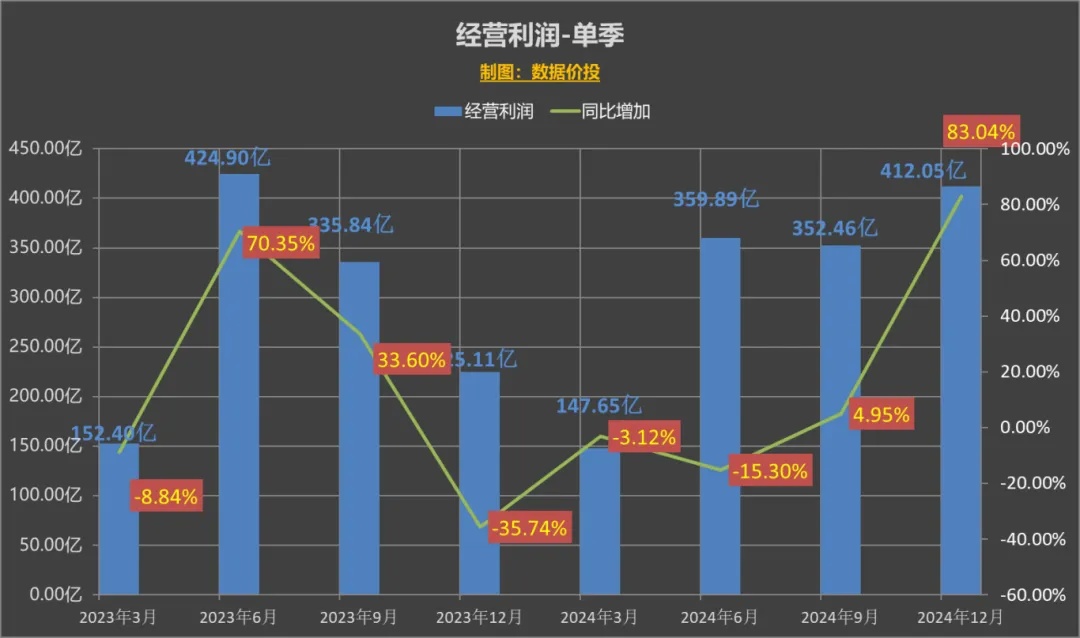
Operating Profit
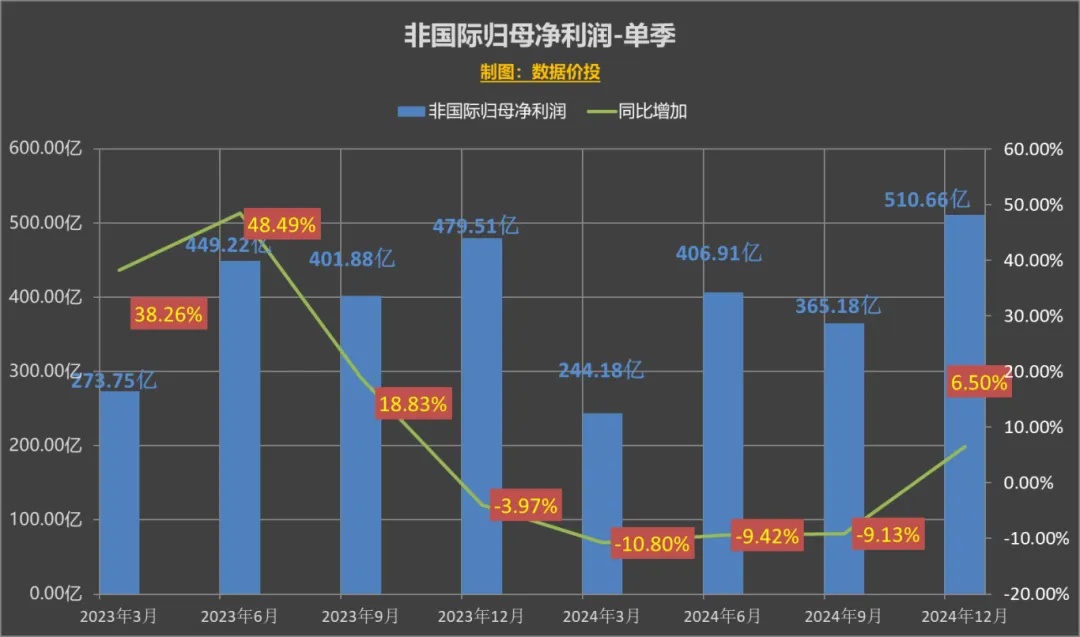
Non-GAAP Net Profit Attributable to Shareholders
II. Business Segments
1. Business Segment Revenue
2. Business Segment Adjusted EBITA
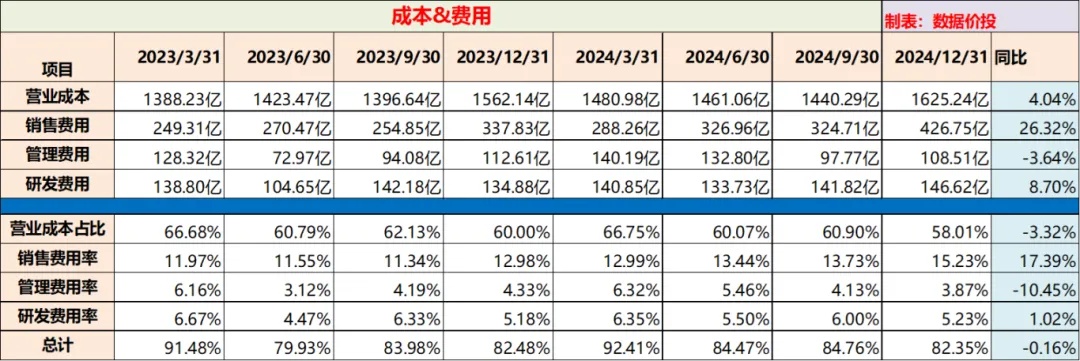
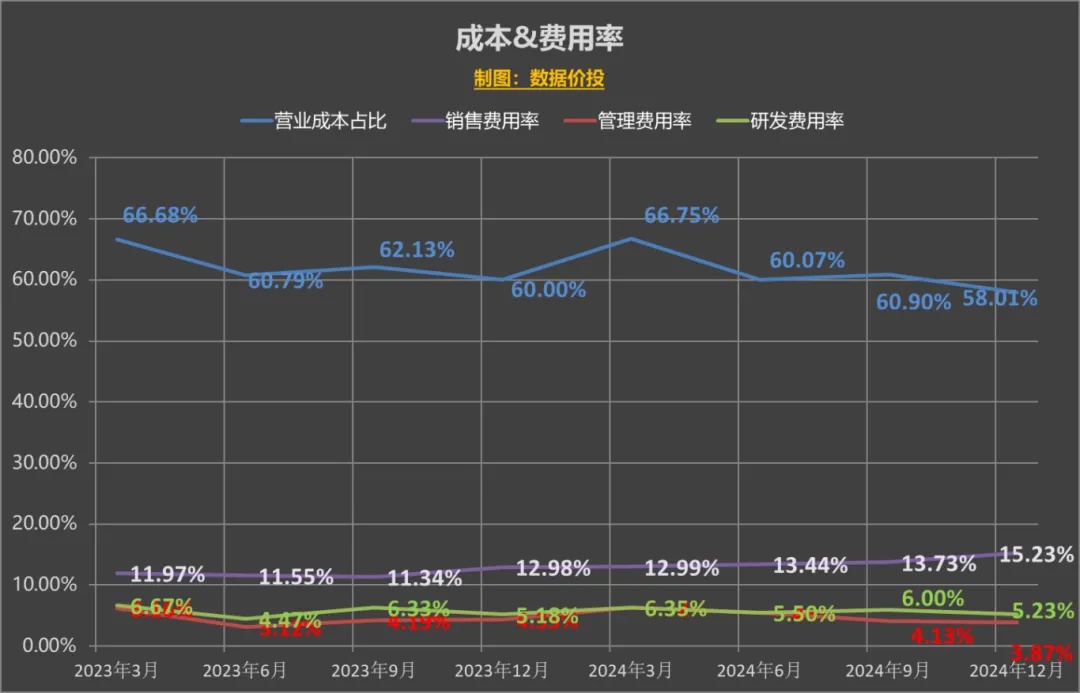
III. Costs & Expenses
IV. Cash Flow

$Alibaba(BABA.US) $BABA-W(09988.HK) $Invesco Golden Dragon China(PGJ.US)





The copyright of this article belongs to the original author/organization.
The views expressed herein are solely those of the author and do not reflect the stance of the platform. The content is intended for investment reference purposes only and shall not be considered as investment advice. Please contact us if you have any questions or suggestions regarding the content services provided by the platform.