

Middle East conflict reignites oil price surge, inflation clouds gather again, Fed's rate cut dreams shattered?

1. Event Recap: Middle East Tensions Flare Up, Oil Prices Surge 14% in a Single Day
In the early hours of June 12, Israel suddenly conducted an airstrike on Iran, targeting nuclear facilities and high-ranking military officials, resulting in casualties including several senior Iranian generals and nuclear scientists, abruptly escalating tensions in the Middle East.

This incident triggered a strong reaction in global energy markets, with Brent crude futures surging 14% intraday, marking the largest single-day gain in nearly three years, pushing prices above $75 per barrel. The rapid rise in oil prices has reignited inflation expectations and added uncertainty to the Federal Reserve's future policy path.
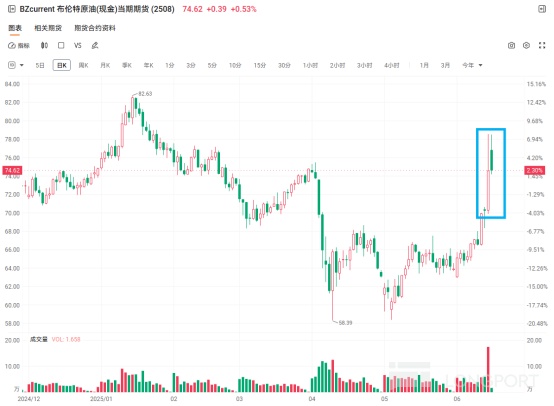
2. Oil Price Surge: Inflation Pressure Returns
The rise in oil prices affects not only the energy sector but may also transmit downward through multiple channels.
Estimates show that if oil prices rise to $100 per barrel, U.S. gasoline retail prices could climb to $4.2 per gallon, pushing June CPI back to around 3.2%, significantly above the Federal Reserve's 2% target.
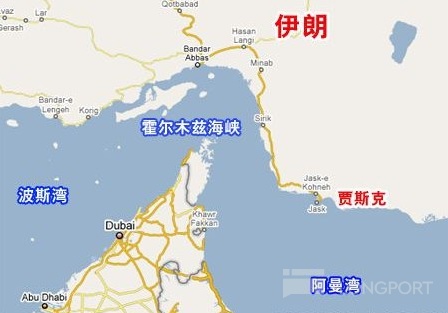
Additionally, if Iranian crude oil exports are blocked or the Strait of Hormuz is disrupted (which handles one-fifth of global crude oil shipments), oil prices could even spike to $120-130.
Once oil prices rise, the effects will cascade:
- Increased production costs for businesses, especially in energy-intensive industries like transportation, logistics, and manufacturing;
- Higher prices for end-consumer goods, passively lifting CPI;
- Declining consumer confidence and purchasing power, creating a vicious cycle of "consumption contraction - price inflation."
This is precisely the Federal Reserve's worst fear: "imported inflation combined with sticky inflation."
3. Rising Inflation: Fed Rate Cut Expectations Cool Rapidly
Initially, markets expected the Federal Reserve to begin cutting rates this year, possibly even twice. However, against the backdrop of significant oil price volatility and the risk of inflation rebounding, these expectations are rapidly cooling.
CME FedWatch data shows the expected number of rate cuts this year has dropped from about 2.1 to 1.9, as investors reassess the Fed's policy space and timing.
Moreover, the U.S. recently imposed new tariffs on Chinese goods, which could further raise import costs and exacerbate inflation pressure in the short term.
4. Stagflation Risks Emerge, Monetary Policy in a Dilemma
More alarmingly, the combination of "high oil prices + low growth" could lead to stagflation. Analysis suggests that every $10 increase in oil prices pushes U.S. CPI up by 0.4 percentage points while dragging GDP growth down by 0.4 percentage points.
Some U.S. macroeconomic data already show signs of slowing growth. If inflation continues to rise while growth remains weak, the Fed may face a dilemma between "fighting inflation" and "stabilizing growth," making it difficult to provide clear guidance in the near term.
5. Escalating Geopolitical Tensions: Key Factors Determining Oil Price Ceiling
Future oil price trends and inflation pressure heavily depend on geopolitical developments, with the following three factors becoming market focal points:
- Potential blockade of the Strait of Hormuz: This would be a critical threshold for oil prices to breach $130;
- OPEC+ production quota adjustments: Maintaining output cuts would "shield" high oil prices;
- Fed's June meeting stance: Whether it addresses the Middle East situation and its impact on inflation could signal key policy shifts.
6. Trading Tips: Increased Volatility, Favor "Light Entry, Heavy Exit"
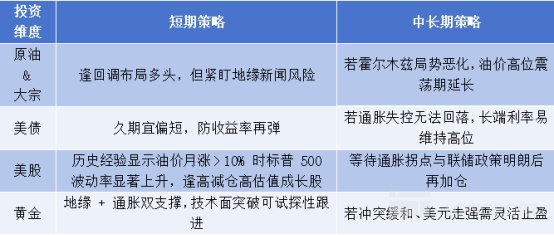
Short-term recommendations:
- Control risk exposure, avoid heavy positions in high-volatility assets;
- Focus on safe-haven sectors like gold and commodities;
- Shorten bond duration to hedge against interest rate volatility.
Medium-to-long-term outlook:
- If geopolitical tensions persist and inflation remains high, rate cuts may be delayed, pressuring high-valuation assets;
- If tensions ease and prices fall, markets may return to a "lower rates + risk-on" environment, benefiting tech and growth stocks.
7. Conclusion: Narrower Path for Rate Cuts, More Flexible Investment Strategies Needed
The Israel-Iran conflict has not only shaken the Middle East but also refocused global macro attention on the oil-inflation-interest rates nexus. Facing the dual challenges of resurgent inflation and slowing growth, the Fed may remain on hold for longer, with delayed rate cuts becoming a market consensus.
This means markets will face higher uncertainty and greater volatility in the coming period. In this context, investors should temper expectations of "near-term easing" and prioritize dynamic adjustments and risk control. Rational allocation to safe-haven assets and leverage management may be more robust ways to navigate this complex macro environment.
$Us Brent Oil(BNO.US) $Alibaba(BABA.US) $Circle(CRCL.US) $NVIDIA(NVDA.US) $Tesla(TSLA.US) $Meituan(MPNGY.US)
The copyright of this article belongs to the original author/organization.
The views expressed herein are solely those of the author and do not reflect the stance of the platform. The content is intended for investment reference purposes only and shall not be considered as investment advice. Please contact us if you have any questions or suggestions regarding the content services provided by the platform.
