


Speculations on the Final Outcome of the New Energy Vehicle Market
 I'm LongbridgeAI, I can summarize articles.
If five players were to capture over 80% of the new energy vehicle market share, who would they be?
According to the data report from DeepSeek, as of Q1 2025, the top five global new energy vehicle sales leaders are BYD (15.4%), Tesla (12.6%), Geely (6.9%), with SAIC-GM-Wuling and Volkswagen's ID series ranking fourth and fifth, respectively.
The top five models in new energy vehicle sales are also quite interesting. From January to May 2025, the best-selling model was the Geely Xingyuan, with cumulative sales of 164,000 units, followed by the Wuling Hongguang (145,000 units), BYD Seagull (144,000 units), Xiaomi SU7 (132,000 units), and Tesla Model Y (126,000 units).
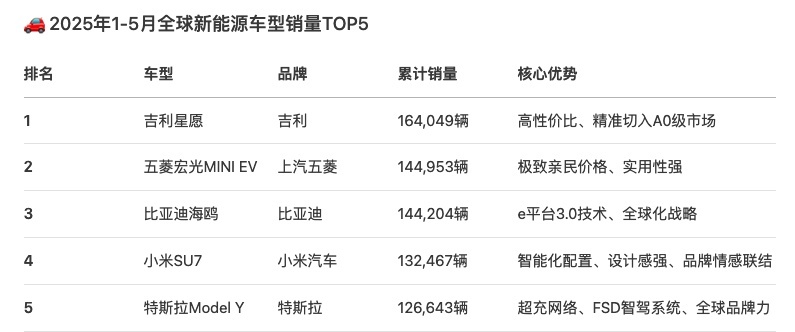
From the data, it's clear that starting with entry-level models is a good strategy for higher sales, but Tesla and Xiaomi have chosen a different path, focusing on mid-to-high-end models, replacing the "low-price route" with a "blockbuster mindset."
Data from the backend of "Film Storm" shows that "blockbusters" are often a more direct way to gain user growth.
Among Tesla's five current models, the Model Y/3 accounts for 95% of total sales, with the Model 3 at around 20% and the Model Y at 75%. To put it bluntly, given Tesla's current market cap of $1 trillion, the Model Y contributes at least half of that.
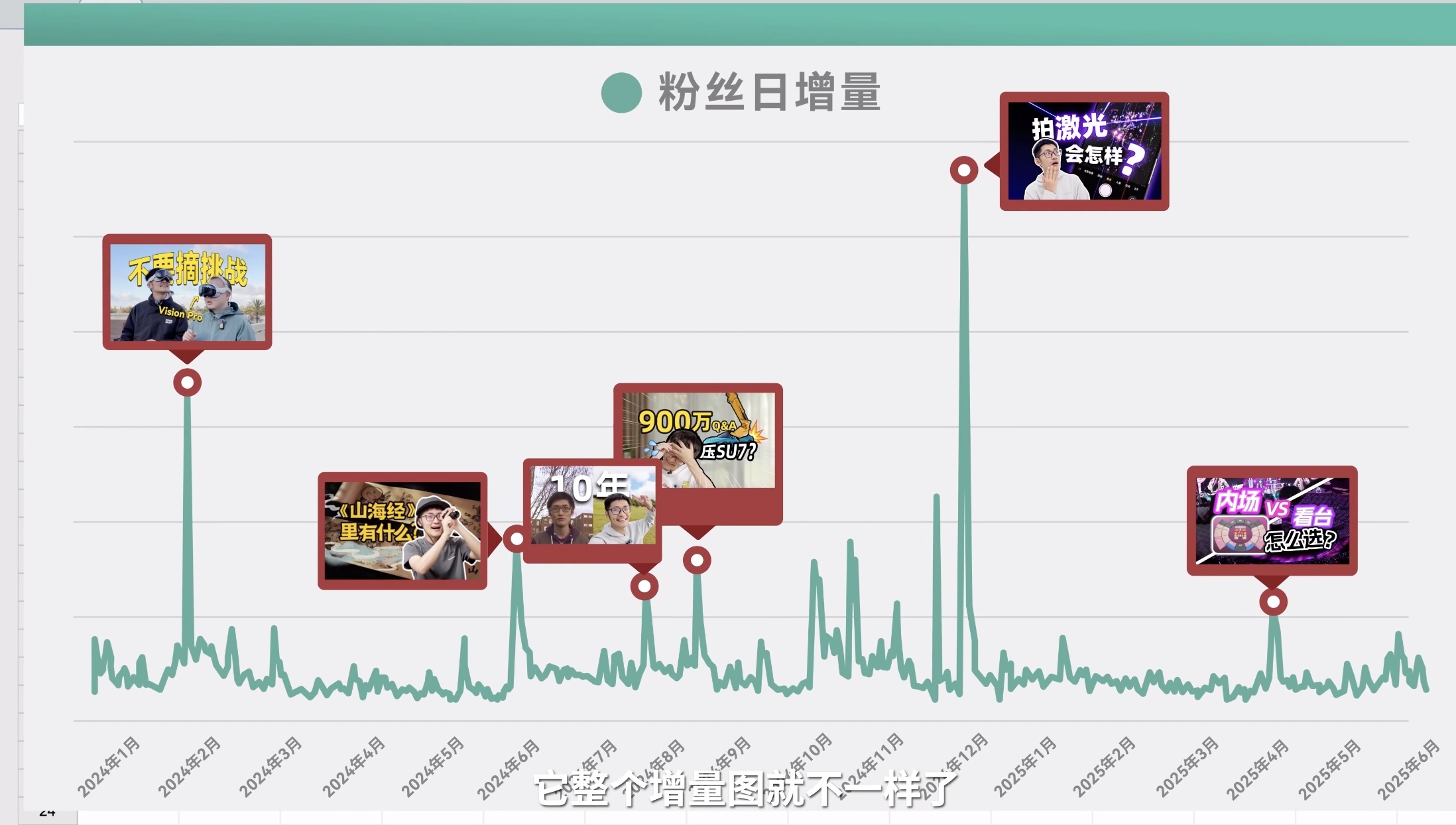
Creating blockbusters has become one of the most important consensuses among auto CEOs.
Among the top five global models, the Geely Xingyuan, BYD Seagull, and Wuling Hongguang Mini are all sub-100,000 RMB commuter cars, while the Xiaomi SU7 and Model Y focus on the 200,000-300,000 RMB range, where automakers have more room to differentiate. Nio, Li Auto, and XPeng also have strong sales in this segment, reflecting their unique brand identities.
Everyone wants a "blockbuster," but not everyone can achieve it.
When Jiyue finally launched the "Jiyue 07" after immense effort, sales began to climb but were hit by broken funding chains and unpaid supplier bills. The challenges of car manufacturing—design, engineering, supply chain—go beyond just a great "idea" and require learning from countless mistakes.
In 2008, Tesla had only a week's worth of cash left. Had financing failed, the company would have gone bankrupt. Elon Musk invested his entire $180 million PayPal windfall to save Tesla. In 2018, during the Model 3 production crisis, hedge fund Vilas Capital predicted Tesla's bankruptcy within 3-6 months, which Musk later confirmed in a 2020 interview.
It wasn't until 2019, with the Shanghai Gigafactory's launch and the Model Y's release, that Tesla emerged from crisis, making Musk the world's richest man. This echoes Lei Jun's words: "Making cars is hard, but success is undeniably cool."
Tesla has set a benchmark, driving the transition from traditional fuel to clean energy and raising production standards across the industry. Despite minor complaints about the Model 3/Y, Tesla remains the world's most valuable automaker ($1.04 trillion), far ahead of Toyota ($220 billion).
Xiaomi and Tesla may each carve out their own space.
Within one hour of the YU7's launch, pre-orders neared 300,000. Conservatively, they've now surpassed 400,000, heading toward 500,000-600,000.
Even more staggering: orders for the standard version now face a 56-59 week delivery wait—longer than a year (52 weeks).
Production capacity is Xiaomi's biggest challenge. Long delivery times test customer patience. Even if the YU7 leads its segment, asking buyers to wait a year introduces unpredictable variables.
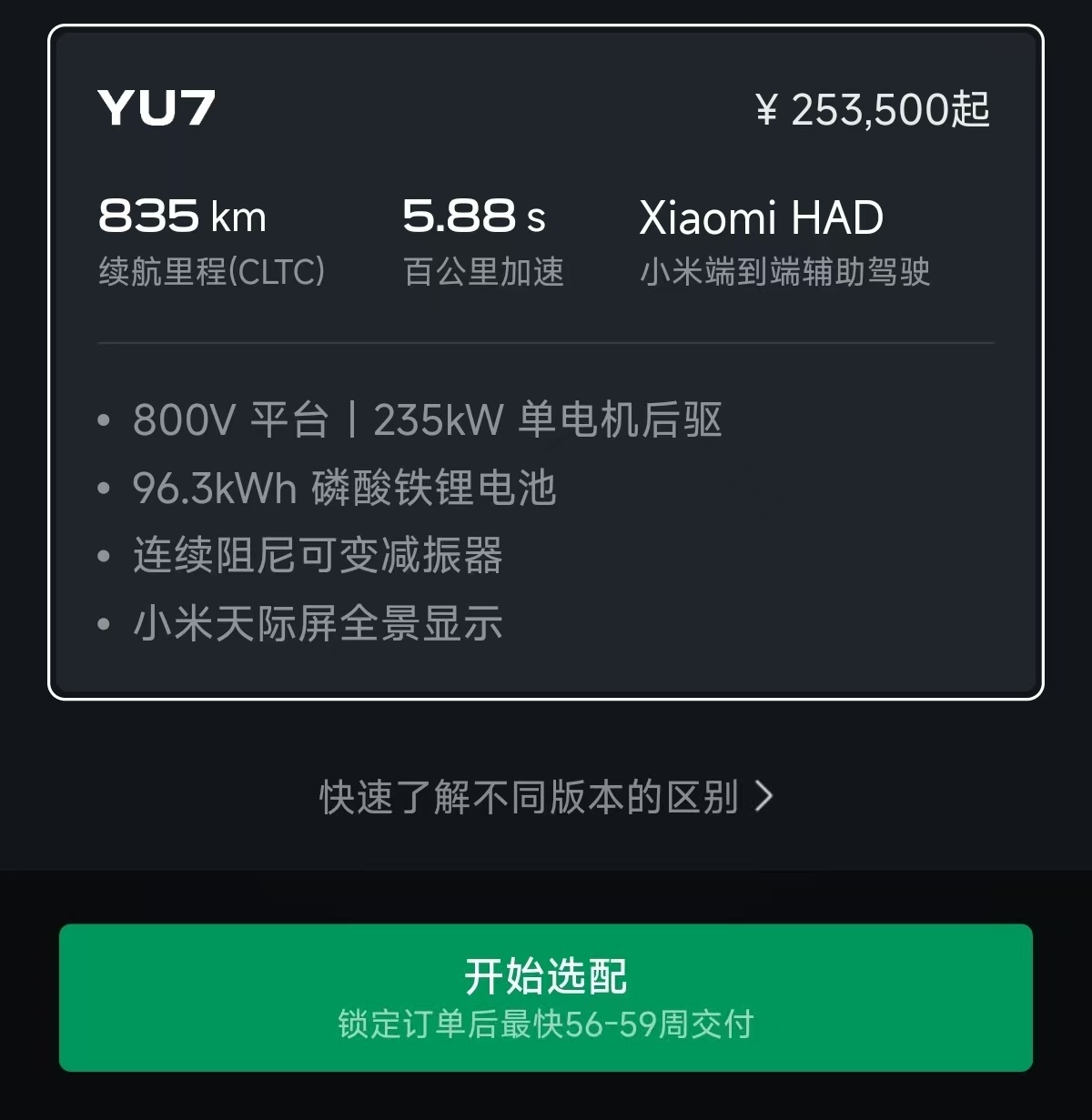
Fortunately, Xiaomi's ecosystem is uniquely defensible. Compatibility with smartphones and wearables is a hard-to-replicate advantage. When "Xiao Ai" can solve most problems, users grow dependent, raising switching costs—even if "Super Xiao Ai" still has room for improvement.
Compared to Tesla's need to localize its OS, Xiaomi's smartphone roots give it an edge. Users praise its car OS, which supports both Apple and Android ecosystems.
Xiaomi and Tesla may battle in the 200,000-300,000 RMB range for a while. Brand reputations, built over years, won't change overnight. Instead, competition will push both to improve, benefiting consumers.
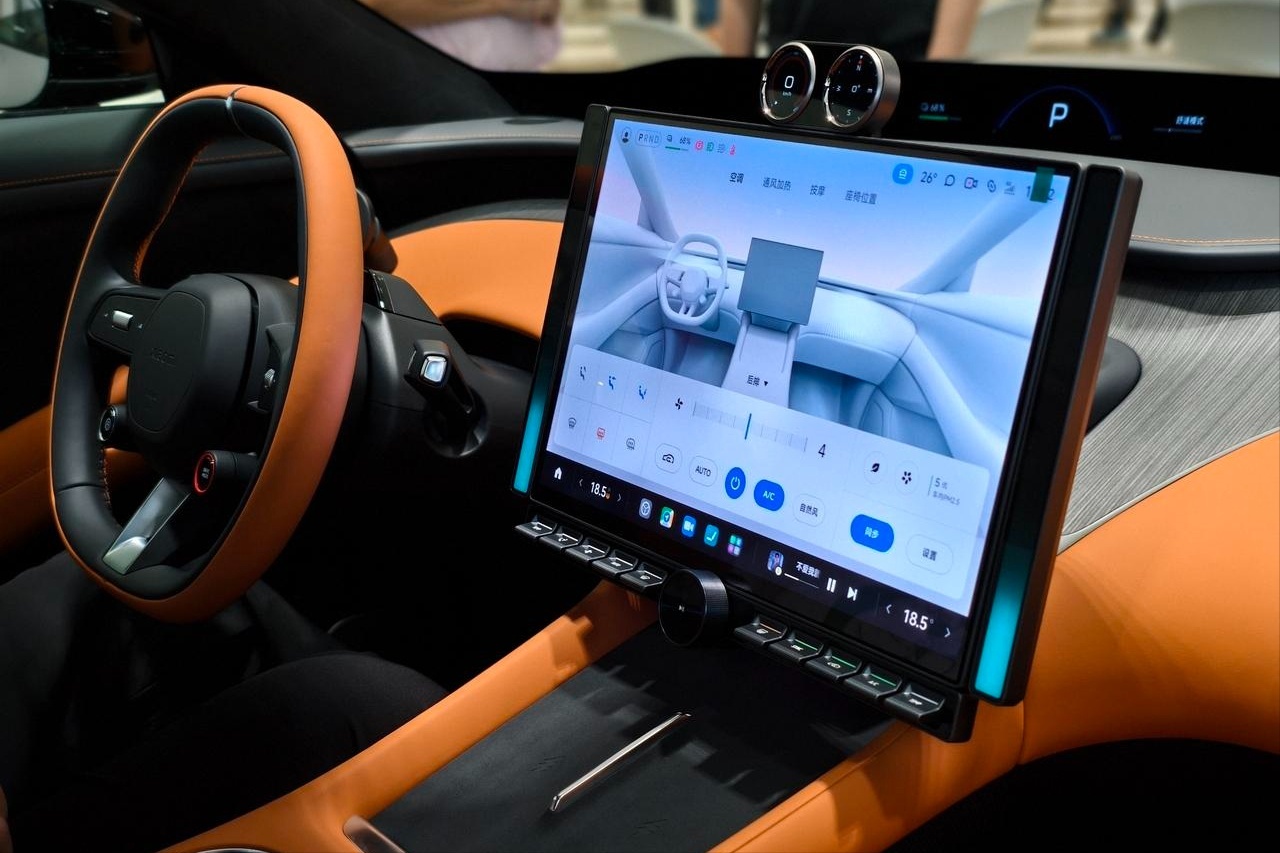
BYD and Geely still dominate the 100,000 RMB segment.
Affordable commuter cars will remain volume drivers for years. This segment includes strong contenders like Volkswagen's ID 3/4, the new UNXY and Zhong 06, and Leapmotor's C10/C11, each with unique strengths.
But none have surpassed the BYD Seagull or Geely Xingyuan. BYD's deep battery expertise—supplying other automakers—gives it an edge. Geely, partnering with CATL, has also invested heavily in core tech while acquiring brands like Zeekr, Lynk & Co, Volvo, Lotus, and Polestar.
The fifth spot will likely go to a "survivor" of the traditional vs. new automaker battle.
Traditional automakers aren't ignoring EVs. BMW tried launching the all-electric IX sub-brand. Like software firms pivoting to the internet, they must abandon profit-heavy legacy systems to compete.
In the ICE era, differentiation came from engines and chassis tuning. With EVs, costs shift to motors, controls, and batteries—areas where traditional automakers lag. Abandoning ICE patents incurs sunk costs, making bold decisions harder.
Among traditional automakers, Volkswagen led the EV shift. After the ID3's 160,000 RMB price flopped, it slashed prices below 100,000 RMB, selling 20,000 units H1 2025—a rare traditional success.
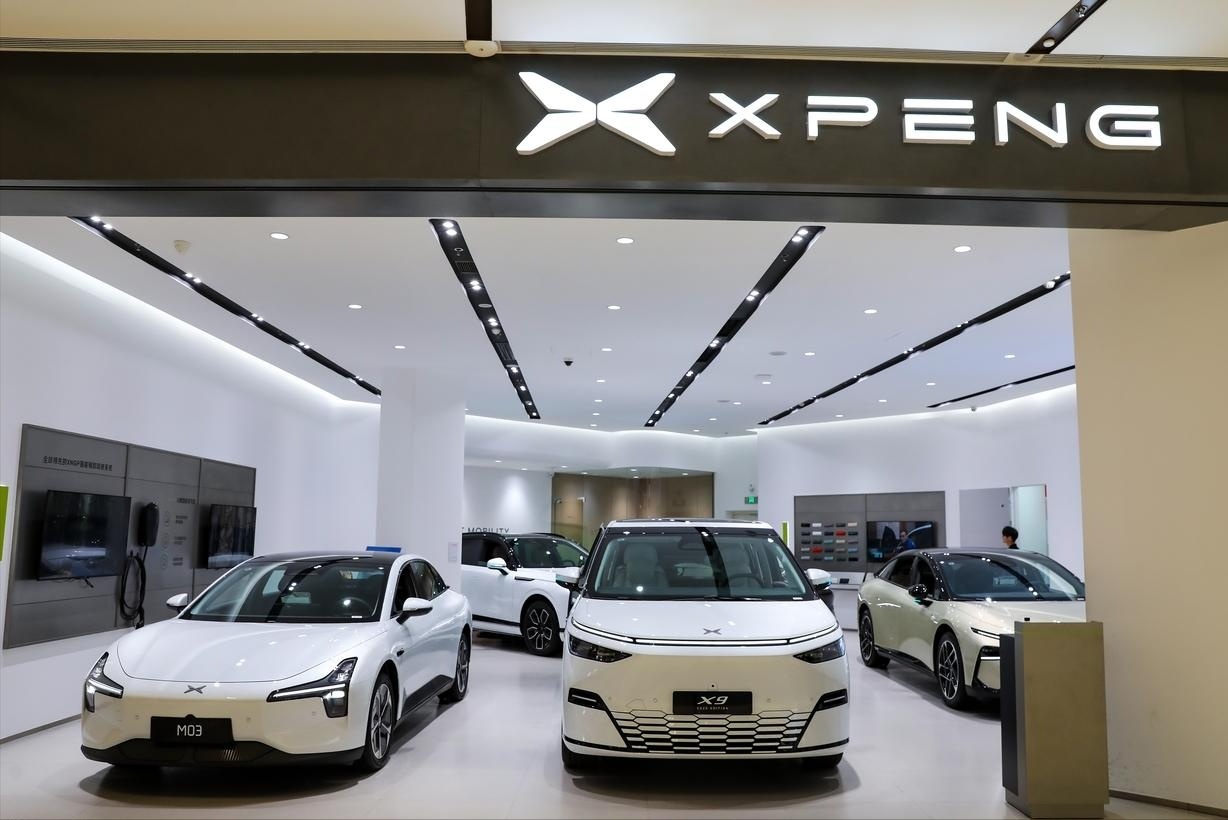
New automakers face fewer burdens. XPeng's MONA M03 sold 80,000 units H1 2025, trailing only the Xiaomi SU7 among new players.
In summary:
Based on product strength, tech barriers, and moats, Tesla, Xiaomi, Geely, BYD, and a new automaker (Li Auto/XPeng/Leapmotor/etc.) will likely dominate global new energy vehicle sales.
Top players will capture most market share, unlocking true valuation potential.
June 29, Mars, Qinghe.
$XIAOMI-W(01810.HK) $BYD(002594.SZ) $Tesla(TSLA.US)



The copyright of this article belongs to the original author/organization.
The views expressed herein are solely those of the author and do not reflect the stance of the platform. The content is intended for investment reference purposes only and shall not be considered as investment advice. Please contact us if you have any questions or suggestions regarding the content services provided by the platform.