

 Likes Received
 Posts
PostsMARS Talk | Discussing Li Auto and Nio

It is often said that choice is more important than effort, and I think this is even more true in a "bull market".
Among the three companies "Wei Xiaoli", XPeng seems to have found its positioning. From the launch of XPeng MONA M03 last August, which became a popular model in the 100,000-level market, to the current G6 gradually establishing user awareness in the SUV market under 200,000 yuan, XPeng has delivered its strongest half-year performance since its establishment, with revenue increasing by 137% year-on-year to 37.3 billion, and losses significantly reduced compared to the same period.
Li Auto and Nio have become the focus of discussion due to the overlapping release periods of new models. Here, I won't expand on those boring public opinion topics, but just provide some references based on the phenomena I have observed.
Let's talk about Nio first
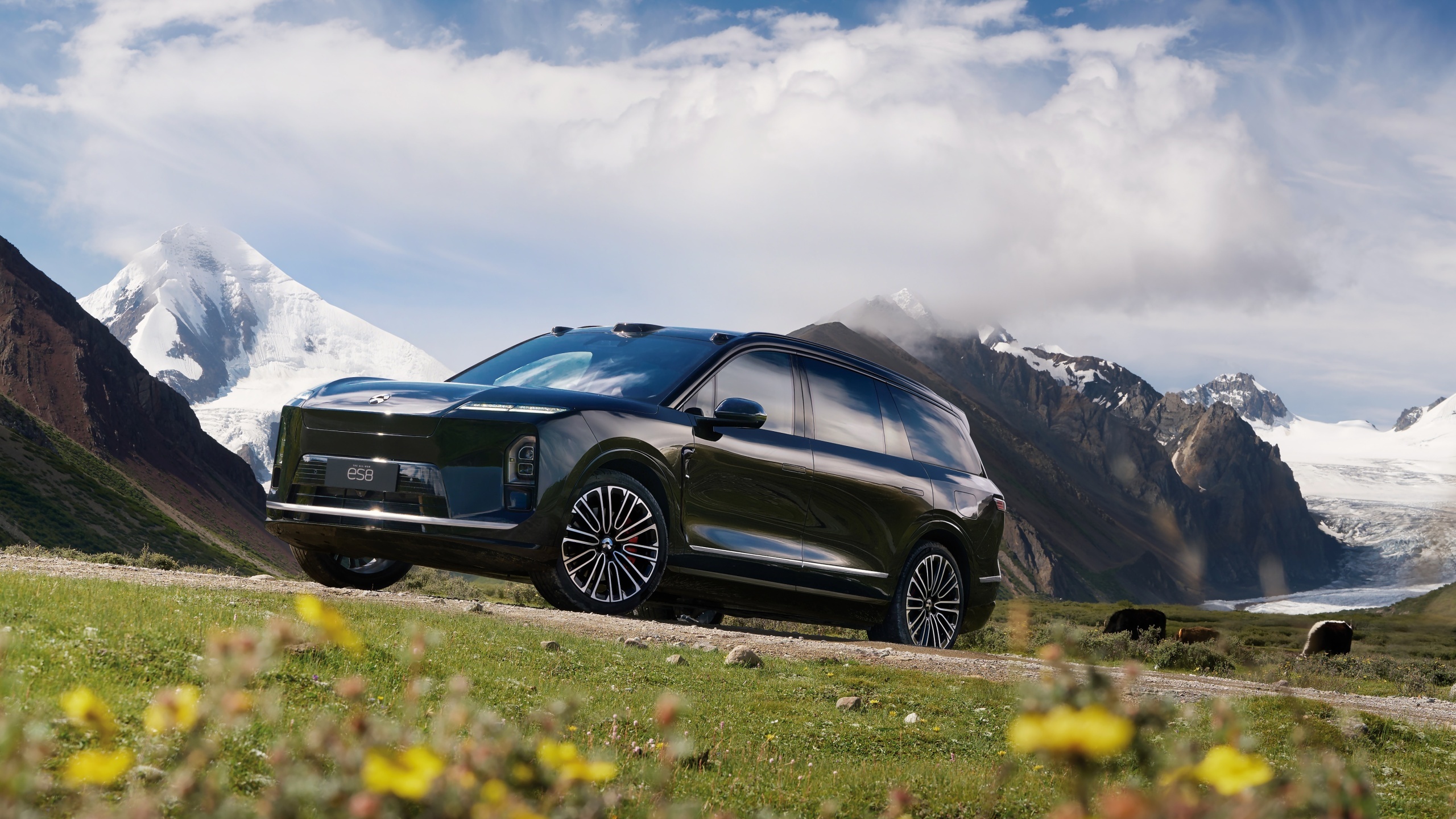
L90 and ES8 are indeed Nio's turnaround works. Both products have done exceptionally well in user positioning and product function definition, making them more suitable for long-distance travel for the whole family as 6-seater pure electric vehicles. They are likely to be the main focus of competition in the industry, and L90 has lowered the threshold for six-seater vehicles to within 200,000 yuan through the BaaS rental solution, making many potential car owners with family travel needs interested.
BaaS is not a "use first, pay later" option, but rather provides car owners with a financial tool. Among the known L90 prospective car owners, over 70% have chosen the BaaS rental solution, which greatly reduces the decision-making threshold for buying a car.
Consumers can easily merge car loans that need to be repaid with BaaS, and in behavioral economics, they are more likely to overlook this additional expense, instead feeling like they got a bargain.
BaaS, IaaS, and SaaS essentially have the same business model, except the latter are software or infrastructure, while the former is a battery for new energy vehicles. Some people have also likened the BaaS model to a gas cylinder, where the key is not the storage medium for the battery, but the supply of electricity to the entire vehicle.
The commercial challenge of Nio's BaaS lies in the fact that it is a trillion-dollar market business that requires a very long time for infrastructure construction to achieve profitability. From this perspective, the difficulty is high, and the uncertainty of the cycle is also considerable.
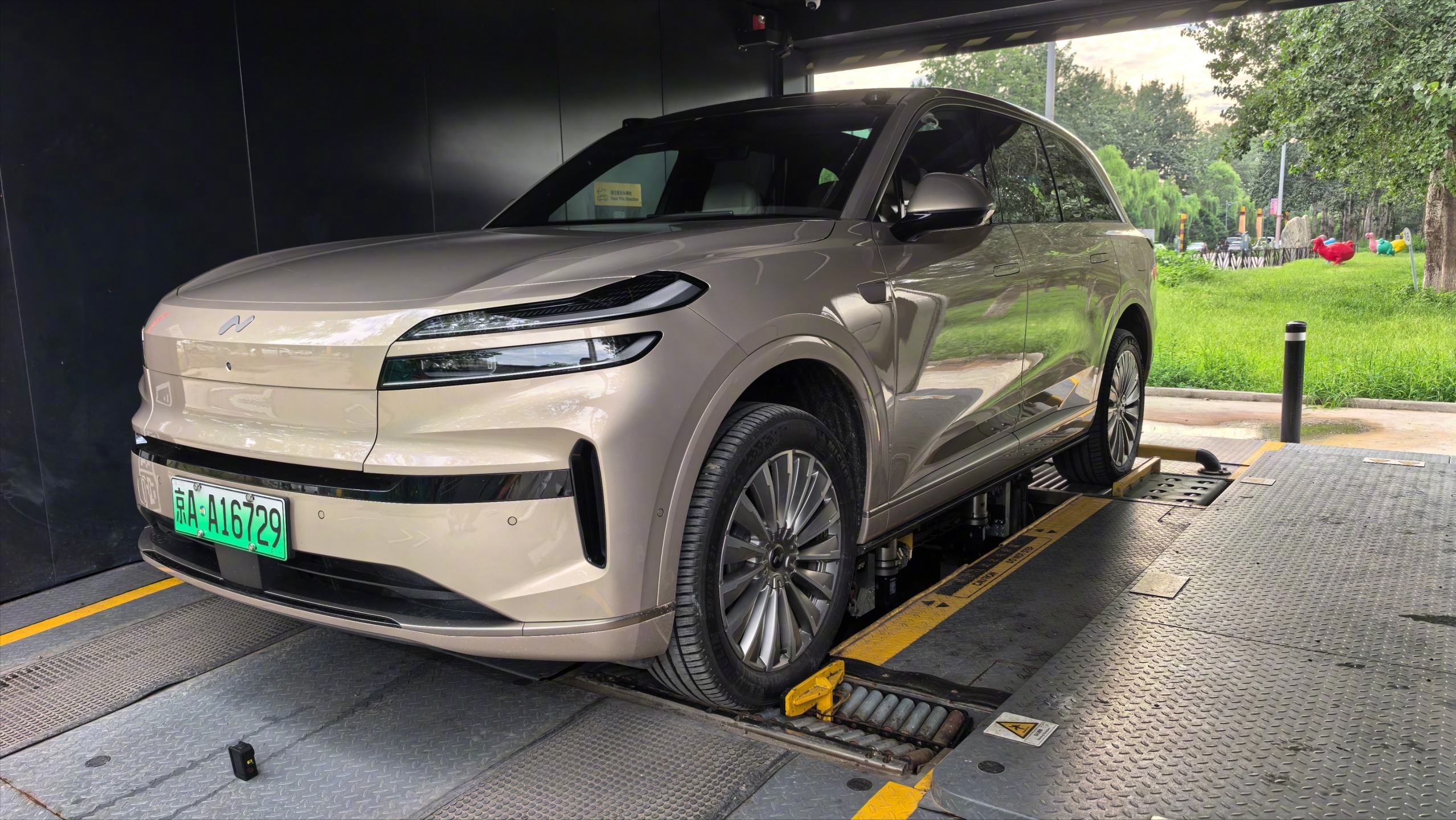
But from another angle, if we put aside Nio's current battery swapping system, do L90 and ES8 still have cost-effectiveness?
The answer is yes
Li Bin also mentioned in a post-conference interview that Nio's main task is to "survive." If Nio can continue to survive in the market after optimizing business efficiency, its future financial situation will be much better as the marginal effects of the charging network and battery swapping infrastructure diminish.
With L90 meeting the basic functions of a 6-seater, ES8 has elevated the overall experience to the ceiling level. In terms of appearance, interior, cabin, and storage space, it has basically achieved perfection. According to Nio's previous pricing levels, the price range of ES8 is at least 450,000-550,000, but the technical conference announced a price just over 400,000, making this model one of the pre-booked popular models of the year.
Nio's design team has a unique aesthetic in the industry, from crystal headlights to the R angle of the central control screen and second-row screen, to the ambient lighting extending to the third row. These details have achieved an industry-leading level on the third-generation ES8, and it is the closest dream car to Bentley Bentayga in my heart.
Li Bin's reputation on the internet has also reversed after these two conferences, evolving from "disliking a brand because of one person" and "Binzi" to "Bin Ge" and "Bin Shen." People always have expectations for stories of adversity reversal.
Although some old car owners are dissatisfied with the price reduction of new models, most Nio car owners still choose to support the brand at the critical moment of "life and death," because only by "surviving" can Nio's exclusive rights like Nio House and battery swapping be guaranteed.
Let's talk about Li Auto
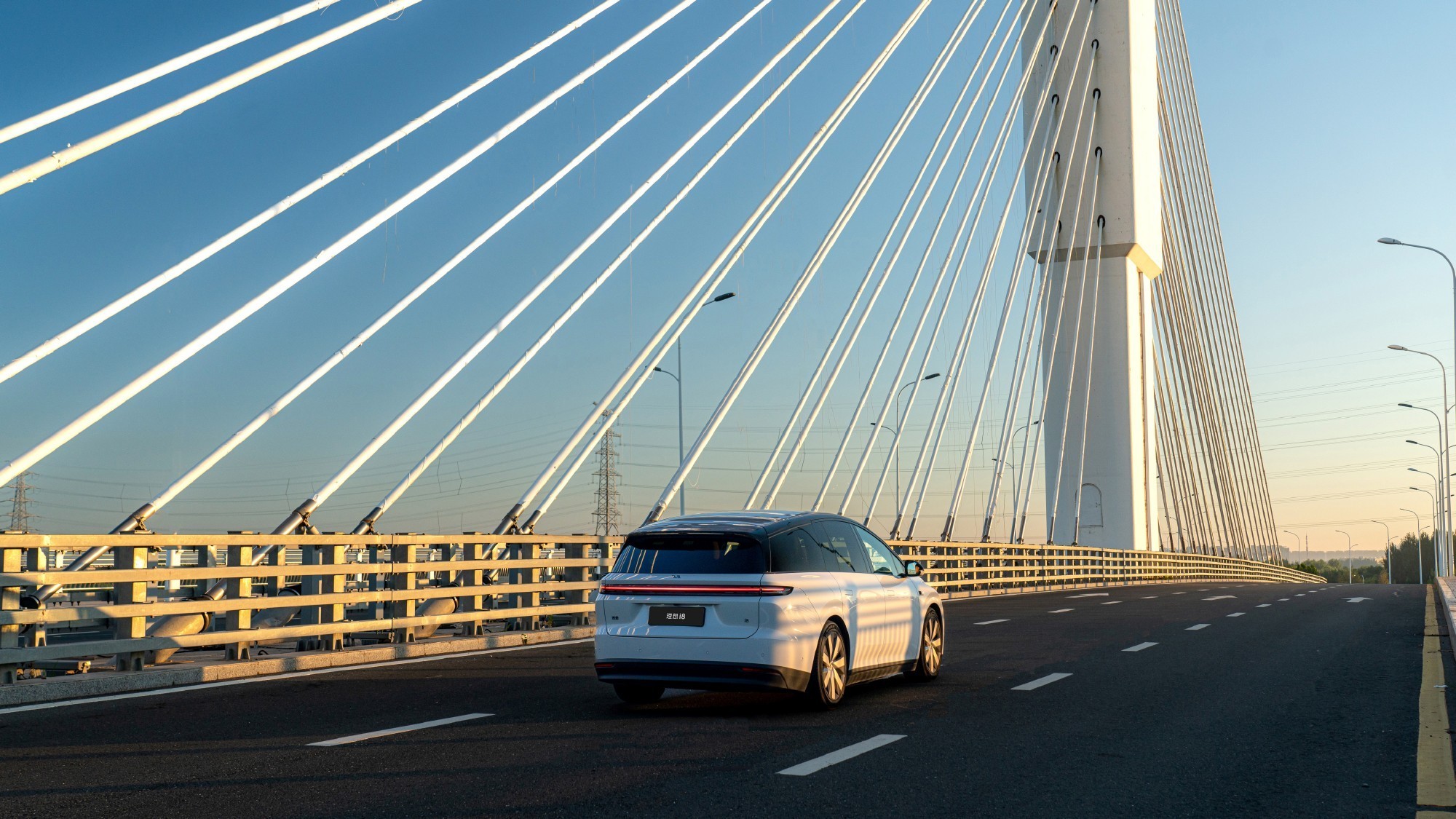
Li Xiang mentioned on Weibo that i8 is in the "have or not" competitive track, which is not entirely unreasonable within Li Auto's own model system. When there are scenarios where children and the elderly in the family need to get in and out of the car relatively frequently, i8 uses an MPV solution to solve the problem of getting in and out of an SUV, which is a good innovation.
But merely relying on active adjustable suspension and comfortable third-row space, for a 6-seater SUV, it can only be considered excellent, not outstanding.
A friend who test drove i8 exclaimed: "The overall feeling is more like an MPV, rather than an SUV". The reason for such a promotional choice can be traced back to an experience the Li Auto team gained when MEGA was first launched.
In the early days of MEGA, the user's decision-making process was to first buy an MPV, comparing it with traditional MPVs like "Alphard" and "Ray Alphard" that cost nearly a million, and ultimately 10%-20% of users chose Li Auto MEGA.
With the launch of MEGA Home, the user's decision-making process shifted from buying an MPV to purchasing a 6-seater SUV, and the increase in this user base is the main reason why MEGA Home has become the sales champion of new energy models over 500,000 today.
Whether it is an SUV or an MPV, Li Auto hopes to guide users to understand i8 from the perspective of an SUV. The core reason is simple: the target audience is one level higher than MPV.
However, i8 requires more acceptance costs from users in terms of design and product definition. The Li Auto team itself is aware of this, so the main users of i8 in the early stages are still early Li Auto owners and potential users with a strong understanding of the Li Auto brand.
From the product cycle perspective, we cannot yet conclude whether i8 is a successful product, but it is certain that with the launch of Nio's two new cars, i6 is Li Auto's key battle. It needs to show enough sincerity and provide a disruptive experience in intelligent assisted driving with VLA to achieve a complete reversal from stock price to sales.
To summarize
L90 and ES8 are likely to be the two products that help Nio out of its predicament, but the costs previously invested in battery swapping infrastructure research and development will take a long time to digest. Battery swapping, as a supplementary mode to supercharging rather than a pursuit of alternative solutions, is a strategic choice Nio must make in the era of supercharging.
Li Auto's financial pressure is relatively small, and the reversal of MEGA Home has provided space for subsequent adjustments in the pure electric field. Spending money where users can perceive it, and whether enough sincerity can be shown in i6, is the key battle in Li Auto's pure electric transformation journey.
August 25, Mars in Qinghe.
$LI AUTO-W(02015.HK) $NIO-SW(09866.HK) $NIO Inc(NIO.US)
The copyright of this article belongs to the original author/organization.
The views expressed herein are solely those of the author and do not reflect the stance of the platform. The content is intended for investment reference purposes only and shall not be considered as investment advice. Please contact us if you have any questions or suggestions regarding the content services provided by the platform.
