
Hong Kong 🇭🇰 first batch of stablecoin licenses are here❗️❗️❗️
 I'm LongbridgeAI, I can summarize articles.
Hong Kong's first batch of stablecoin licenses is imminent: Launch in March, 36 institutions competing, with 'stability' as the priority
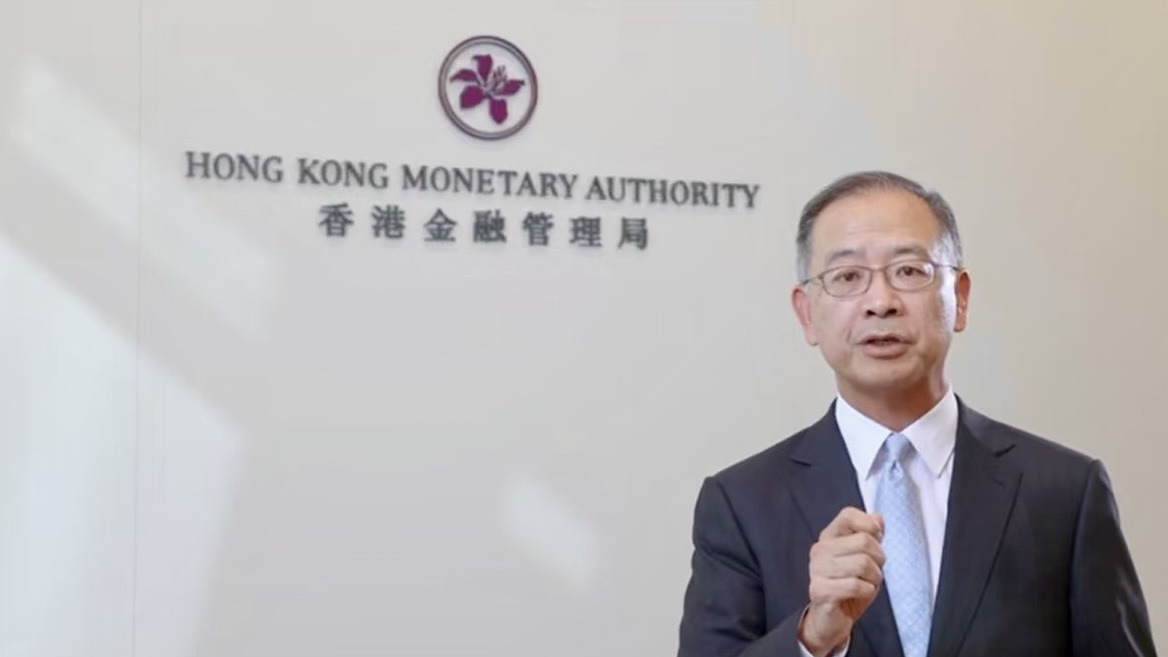
In February 2026, Hong Kong's financial market welcomed a major announcement—the first batch of stablecoin licenses is expected to be officially issued in March. This development marks a critical step for Hong Kong in the regulation of crypto assets and injects strong momentum into its efforts to build new advantages as an international financial hub. Eddie Yue, Chief Executive of the Hong Kong Monetary Authority (HKMA), has recently made multiple public statements, releasing key signals regarding the progress of license approvals, regulatory principles, and market outlook, drawing widespread industry attention.
1. Countdown to License Issuance: 36 Institutions Competing, First Batch 'Certainly Not Large'
Since the formal enactment of the Stablecoin Ordinance in August 2025, Hong Kong has entered the era of licensed regulation for stablecoin issuance. By the time the application window closed on September 30, 2025, the HKMA had received 36 stablecoin license applications from a diverse range of entities, including banks, tech firms, brokerages, and Web3 startups, reflecting high market expectations for Hong Kong's stablecoin sector.
In February 2026, the license approval process accelerated significantly. At a public event on February 2, Eddie Yue explicitly stated that the HKMA is continuously evaluating the applications from these 36 institutions and has already requested additional information from some applicants, covering key aspects such as detailed stablecoin use cases, risk management measures (including anti-money laundering arrangements), and the categories of reserve assets. He emphasized that since the initial submissions mostly contained basic information required for licensing, follow-up questions on certain critical areas were raised after review to ensure compliance and operational safety for licensed entities.
Regarding the highly anticipated number of licenses and timeline, Eddie Yue provided a clear answer: the HKMA aims to issue the first batch of stablecoin issuer licenses in March 2026, but the first batch will "certainly not be large," with licensing work prioritizing "stability." This statement highlights the HKMA's cautious approach in the early stages of stablecoin regulation, aiming to accumulate experience and refine mechanisms through small-scale pilots, laying a solid foundation for the industry's standardized development.
2. Clear Regulatory Framework: Cross-Border Compliance and Reserve Assets as Core Bottom Lines
The stablecoin license approval process is not without rules but strictly follows the regulatory framework established by the Stablecoin Ordinance, with cross-border compliance requirements and reserve asset management serving as two core bottom lines.
On cross-border business regulation, Eddie Yue noted that stablecoin regulation and licensing are still in their infancy globally, and discussions on mutual recognition arrangements may arise in the future. For now, however, any licensed entity engaging in cross-border activities must comply with local regulatory requirements. For stablecoins issued outside Hong Kong to be used locally, especially for retail users, a Hong Kong license is mandatory, along with two hard conditions: (1) establishing an office in Hong Kong and (2) holding reserve assets in Hong Kong. This requirement not only facilitates real-time oversight by the HKMA but also better safeguards the interests of local users.
Reserve asset management is key to maintaining stablecoin value. Although the HKMA did not specify reserve ratio requirements in this announcement, the legislative intent of the Stablecoin Ordinance and Eddie Yue's mention of "reserve asset categories" suggest that high liquidity and low risk will be core screening criteria. Drawing from international stablecoin regulatory practices, requirements such as 100% high-liquidity reserves (e.g., cash, short-term government bonds), segregation of reserve assets from operational funds, and independent custody are likely to become compliance baselines for licensed stablecoin issuers in Hong Kong, ensuring 1:1 redemption with pegged fiat currencies under any market conditions.
3. Potential Licensees and Market Impact: Bank-Linked Entities Favored, Ushering in a New Chapter for Digital Currency
Based on current market information and applicant profiles, institutions that participated in the HKMA's stablecoin sandbox, particularly bank-linked entities, are widely expected to be among the first licensees, with Standard Chartered Bank (Hong Kong) as a prime example. Such institutions, with their mature risk management systems, robust anti-money laundering mechanisms, and deep financial resources, align better with the HKMA's "stability-first" licensing principle and can achieve faster compliance and commercial adoption of stablecoins.
The issuance of the first stablecoin licenses will have multi-dimensional impacts on Hong Kong's financial market. In the short term, it will fill the gap in Hong Kong's regulated stablecoin space, providing secure and compliant payment tools for local Web3 industries, cross-border trade settlements, and other scenarios, addressing risks stemming from the current lack of regulation in the crypto asset market. In the medium to long term, regulated stablecoins will serve as a critical foundation for Hong Kong's exploration of central bank digital currencies (CBDCs), tokenized bank deposits, and other innovations, promoting interoperability mechanisms among different types of digital currencies and further consolidating Hong Kong's status as an international financial center.
Notably, the market's focus on digital currencies is no longer limited to stablecoins alone but has shifted toward broader ecosystem development. In the future, as the first stablecoins go live, the HKMA may further refine regulatory details, driving deeper integration of stablecoins with traditional financial systems and real-world economic scenarios, offering a "Hong Kong solution" for global digital currency regulation.
4. Conclusion
The imminent issuance of Hong Kong's first stablecoin licenses marks a significant milestone in global crypto asset regulation and a key step for Hong Kong to embrace fintech trends and establish itself as an international hub for financial innovation. Under the regulatory principle of "stability first," Hong Kong is building a clear and transparent development framework for the stablecoin industry with a cautious yet proactive approach. As the March licensing deadline approaches, the market will continue to focus on the list of licensees and their subsequent operations, with this event set to inject new vitality into Hong Kong's financial market and open a new chapter in the era of digital currencies.

The copyright of this article belongs to the original author/organization.
The views expressed herein are solely those of the author and do not reflect the stance of the platform. The content is intended for investment reference purposes only and shall not be considered as investment advice. Please contact us if you have any questions or suggestions regarding the content services provided by the platform.