
D
Mar 31 at 02:10 AM
MiniMax’s sky‑high valuation: bubble or the future?
 I'm LongbridgeAI, I can summarize articles.
In the commercial model deep dive 'MiniMax vs Zhipu: Foundation Models, compute intensity and fundraising stamina', Dolphin Research argued that with high training costs and rapid iteration, the foundation model race has become a brutal test of fundraising endurance.
Yet the core that truly underpins fundraising power rests on two fundamentals: 1) model capability; 2) productization and commercial execution.
This note evaluates how $MINIMAX-W(00100.HK) performs on these two pillars, and offers a preliminary framework to gauge MiniMax’s asset value.
Details below:
I. Model capability: not the smartest, but an early, committed multimodal path
For a consumer-facing model, multimodality is almost a prerequisite. Mobile internet apps take inputs and present outputs across text, image, video and voice in full media flows.
As we enter the Agent era, AI Agents must read text, see images, process audio and even video to help users perform tasks on PC or mobile.
Together, these needs imply a competent model company must support multimodal input and output. Ideally, as with Gemini and OpenAI, raw text, audio and video are tokenized into a unified Token ID via one tokenizer, then trained on a single neural network.
Even if not fully unified, models should at least offer smooth multimodal fusion. The first two HK-listed model vendors already demonstrate such capability.
On this, MiniMax is strong, having pursued multimodality early. With an entertainment-centric product focus, it built speech and standalone music models, iterates fast by vertical, and updates the base language model monthly from M2.5 to M2.7 while most verticals refresh quarterly.
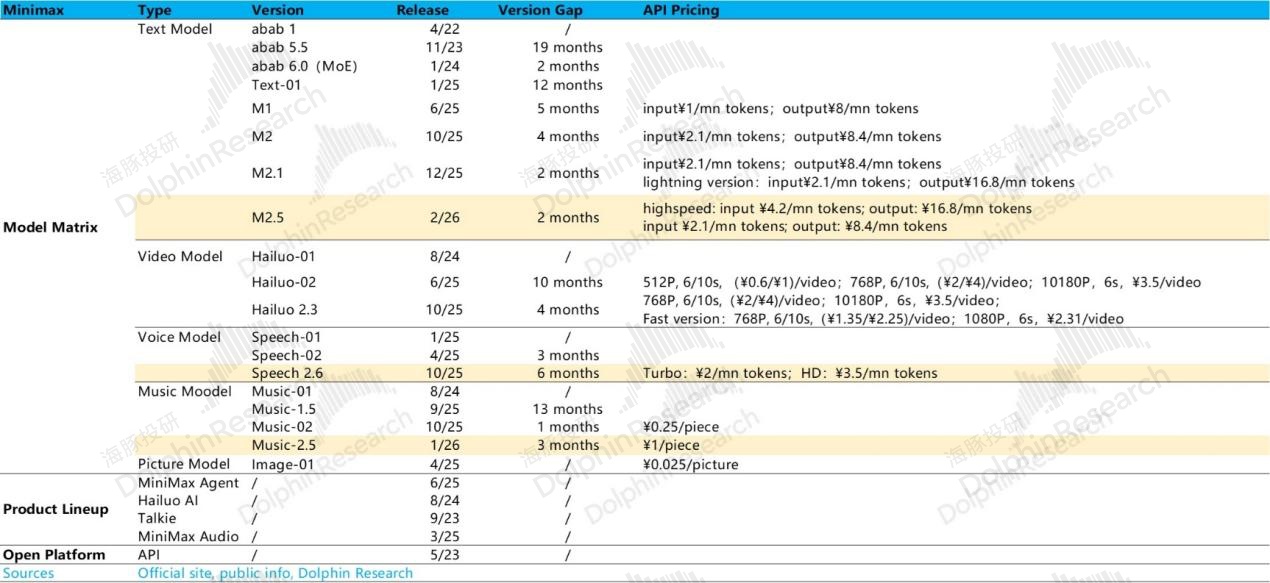
Its two-year trajectory shows DeepSeek was a clear strategic shock. Before DS, MiniMax’s org was more product-led, with product requirements driving model technology and roadmap choices.
DeepSeek demonstrated domestically how algorithm innovation boosts model capability, which in turn drives users and real-world use cases. Post-DS, MiniMax shifted to a more model-tech-first approach, pushing product performance via model advances and entering a phase of architectural innovation and multimodal R&D.
Across modalities, MiniMax’s models are not the smartest in aggregate. But continuous iteration keeps them broadly at the leading edge.
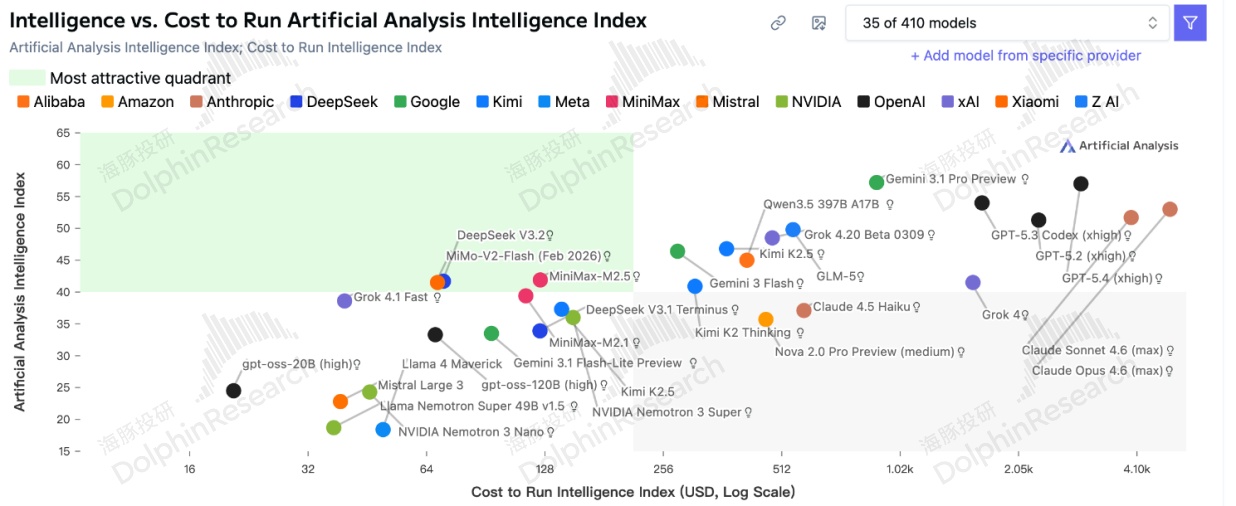
MiniMax’s strength lies in solid intelligence plus multimodality, with very competitive pricing. In a token-hungry Agent era, pricing accessibility matters more and more.
Benchmarking input token price vs a model intelligence index shows that among models smarter than MiniMax, only DeepSeek is cheaper. However, DeepSeek is primarily language-first, and loses attractiveness once multimodality is required.
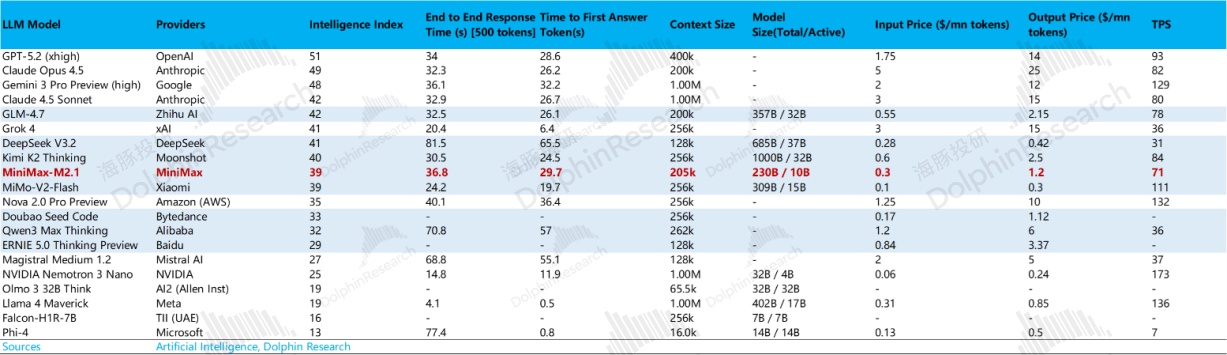
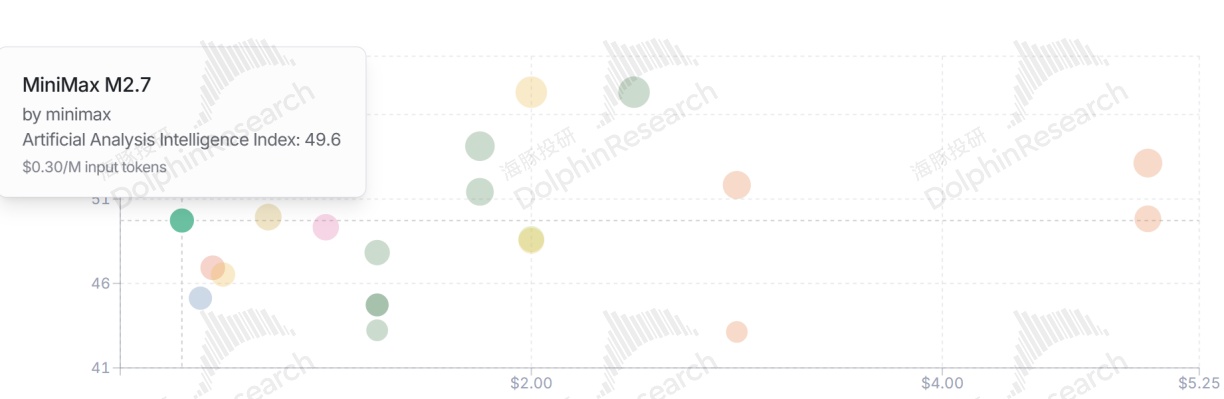
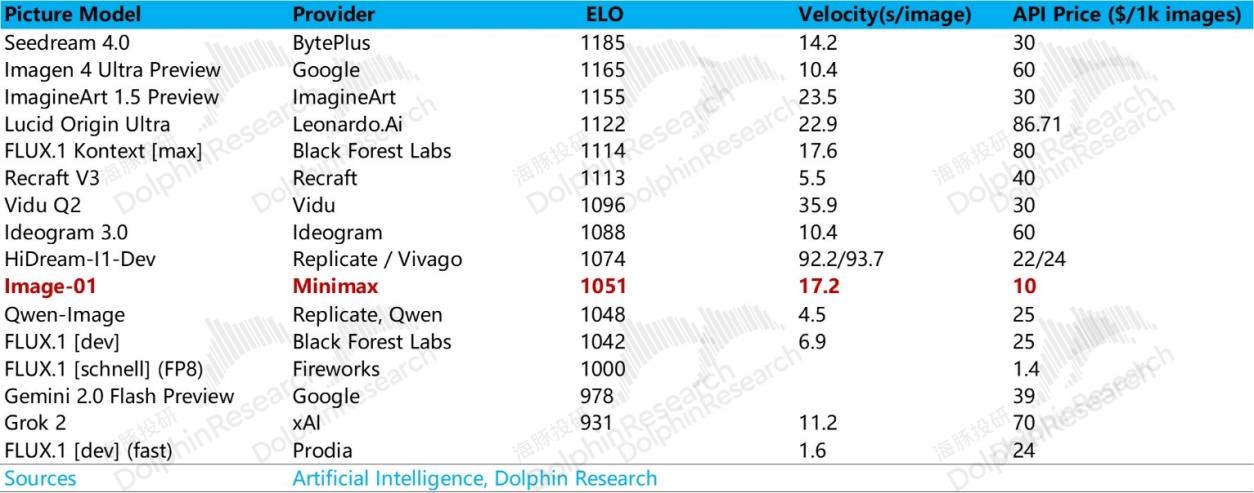
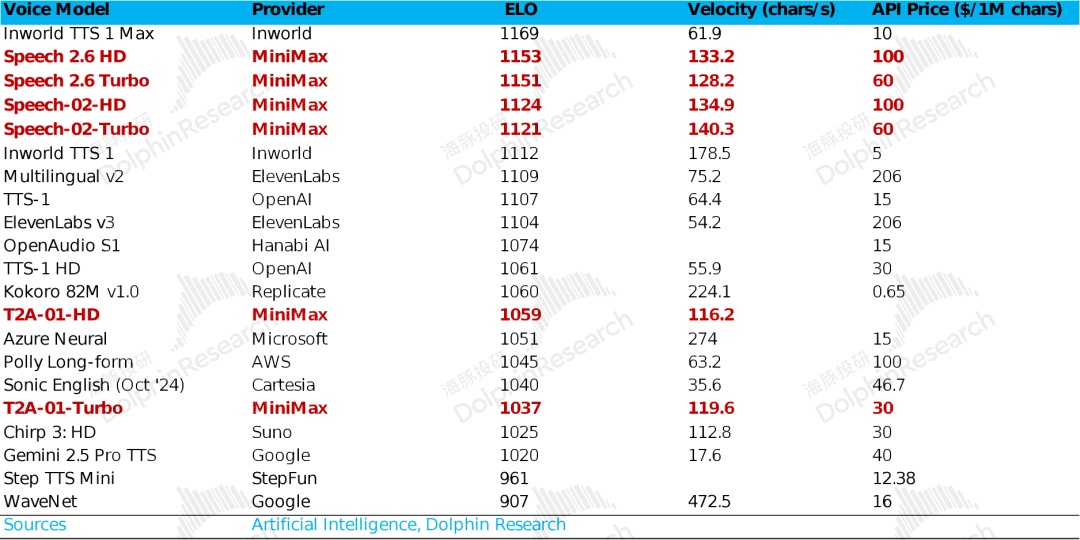
Ultimately, pricing ceilings hinge on intelligence. MiniMax’s speech models show this clearly: higher intelligence expands pricing headroom.
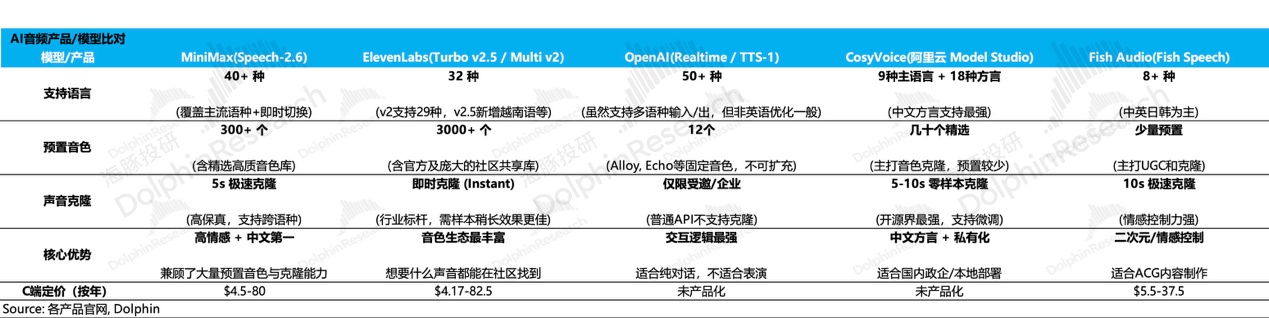
The Speech series ranks high by Elo (naturalness, expressiveness, emotional realism in TTS), and is priced meaningfully above peers.
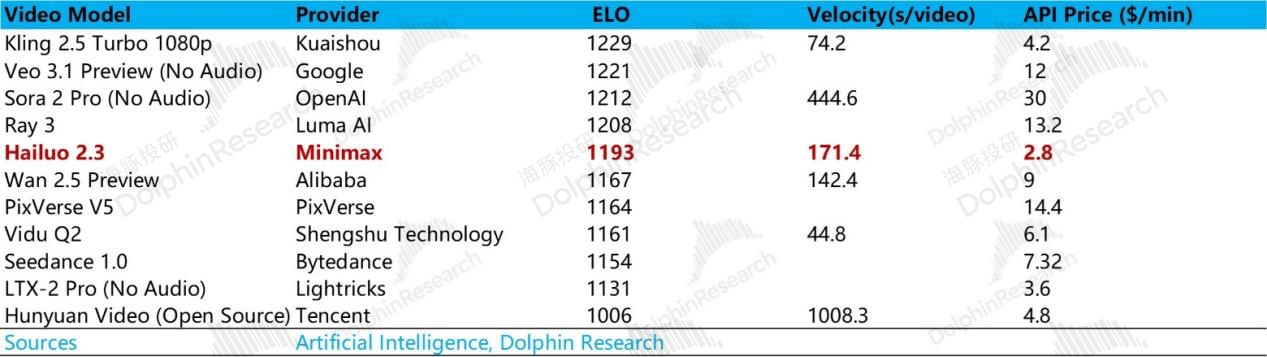
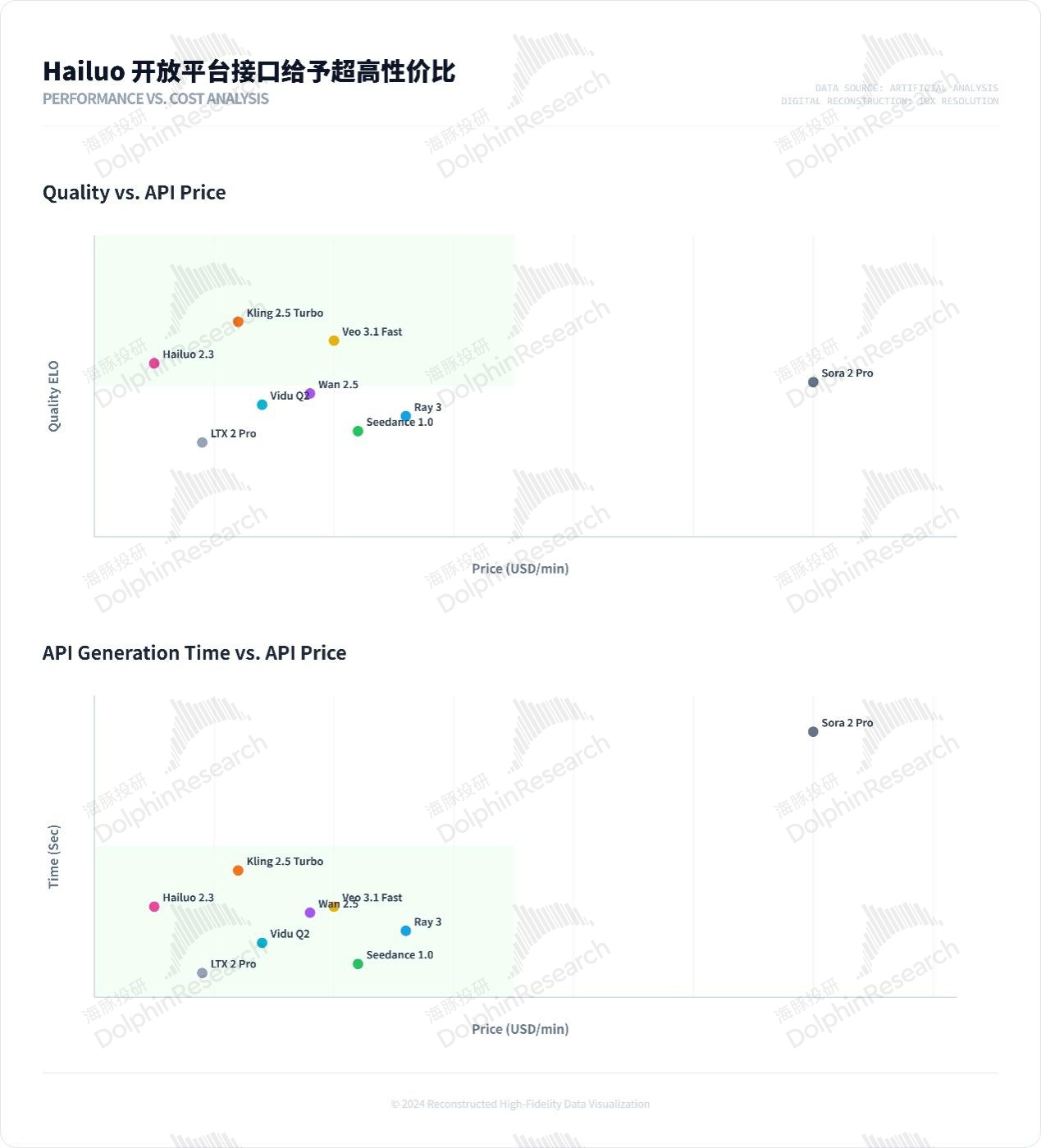
Behind the video-generation platform, the Hailuo 2.3 video model is less competitive than speech but stronger than the language model. It offers above-average performance with aggressively low pricing.
In real deployment, not every use case needs maximum intelligence via brute-force spending. At scale in daily scenarios, cost-performance, especially intelligence per unit cost, is the practical constraint.
MiniMax powering OpenClaw’s AI lobster-farming as the largest open-source model support also reflects that at scale, intelligence-per-cost is a core procurement consideration.
II. Extreme value-for-money: standout labor efficiency and compute ROI
On pricing and intelligence-per-cost, MiniMax offers the best value among first-tier multimodal model vendors. Behind that value is extreme efficiency in people and spend.
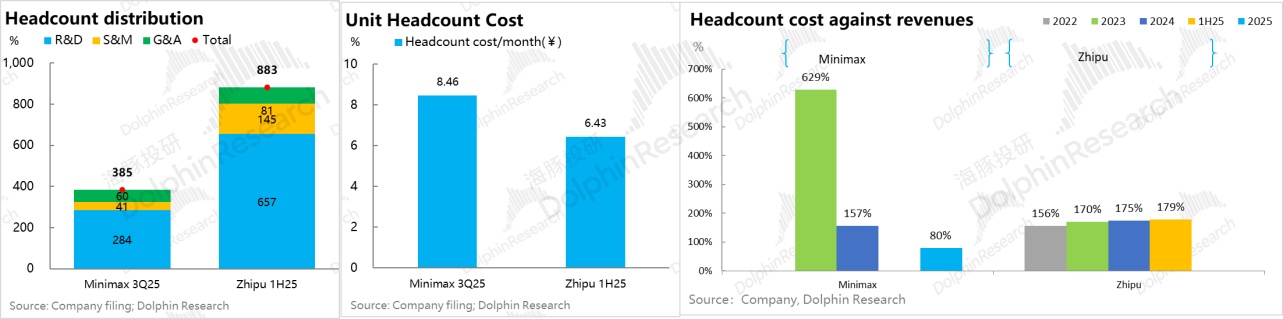
Versus Zhipu, MiniMax demonstrates ‘small team, high output’ org efficiency: a) headcount is 428 by end-2025, with per-capita monthly cash comp at ~RMB 110k vs Zhipu’s ~RMB 60k in 1H25.
b) Yet MiniMax’s per-capita revenue is higher thanks to consumer subscription/top-up monetization, which is more efficient than Zhipu’s offline project-based to B model.
c) Beyond labor ROI, MiniMax’s absolute compute investment and revenue generated per unit compute are also higher. In 2025, MiniMax invested Approx. $250mn in training (near RMB 1.8bn), while Zhipu spent $160mn in 1H25 (over RMB 1.1bn).
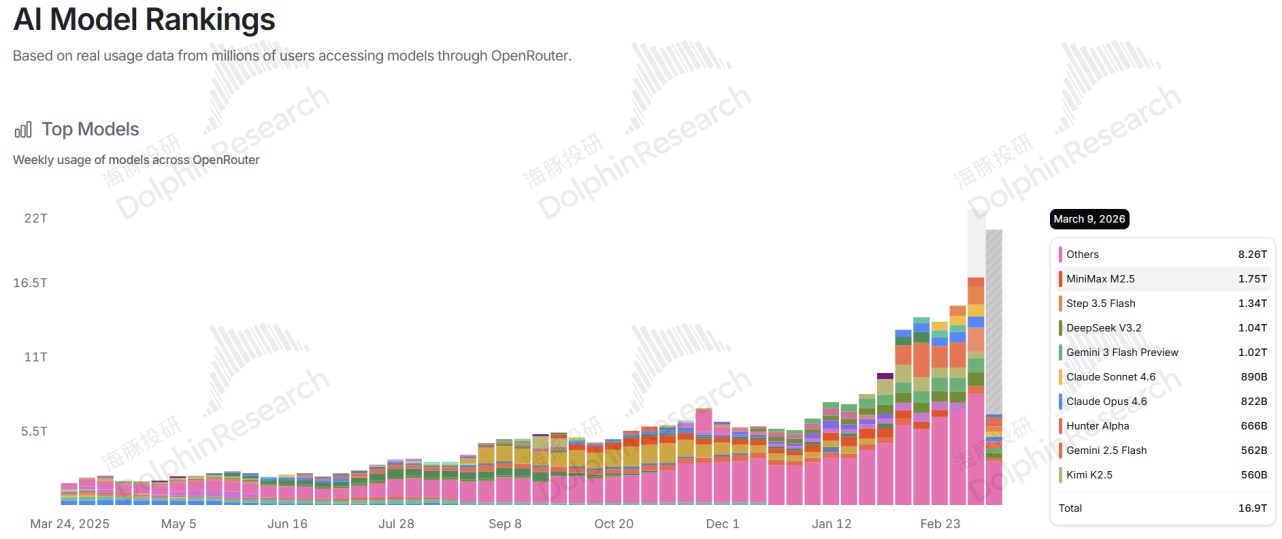
Recovery capacity is better: MiniMax’s revenue coverage of training spend and token call volume on OpenRouter both show clear superiority.
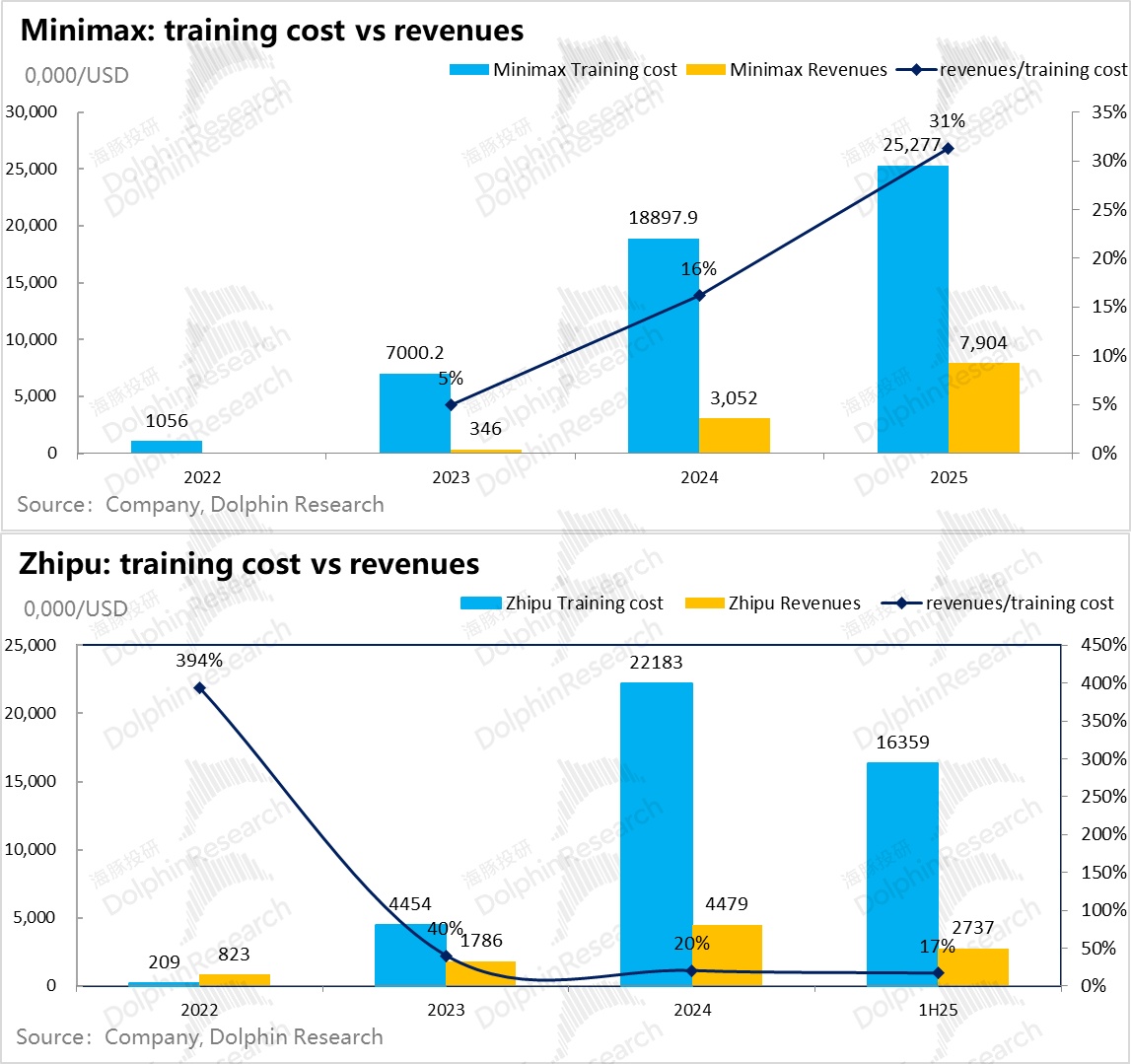
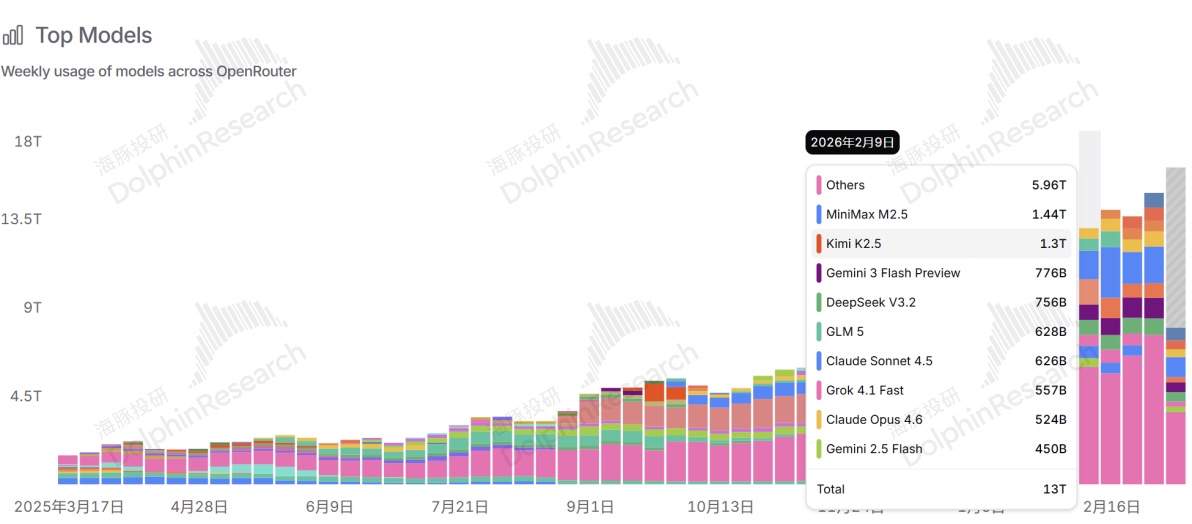
Putting these together, post-DeepSeek, MiniMax adopted a tech-driven model roadmap. With controlled investment, it achieved strong multimodality, and kept vertical model performance above average.
Considering intelligence, model breadth, and cost discipline holistically, MiniMax is a unique presence among foundation models.
III. Productization: the leading independent model player
Model R&D is table stakes, but in 2026 models alone are not enough, especially for non-global leaders. Deployment into real use cases is now pivotal to enable the fundraising flywheel.
On this front, MiniMax, whose models rank mid-to-high, stands out among independent model vendors. From day one, model and product were built in parallel, always keeping one eye on product and one on tech.
Commercially, unlike Kimi, MiniMax focused on to C self-developed products and avoided the crowded chatbot lane. On to B (Model-as-a-Service), it leaned into lightweight, low-headcount API services.
3.1. Deliberate choices: differentiated to C + global rollout to avoid becoming early cannon fodder
Two deliberate decisions for to C commercialization as an independent model vendor: a) it did not pursue the general AI chatbot path like Kimi, which is the traffic gateway incumbents must win, avoiding being cannon fodder in the AI entry wars.

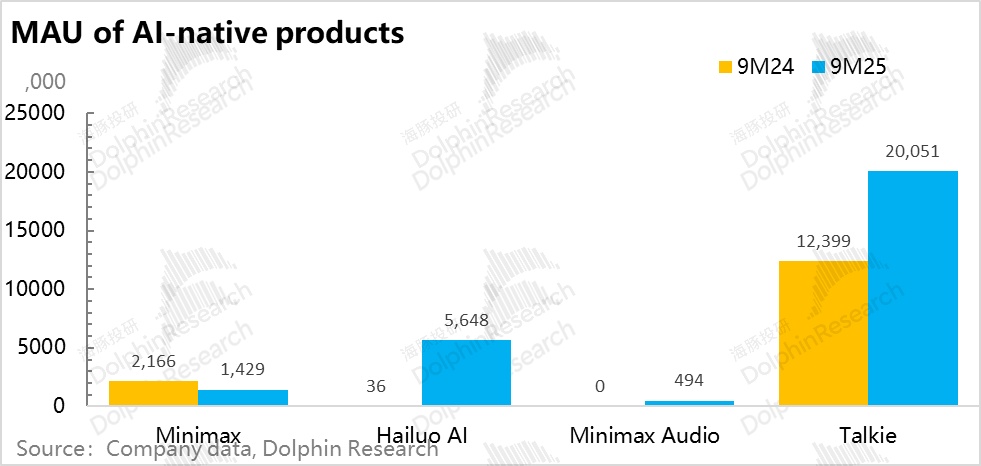
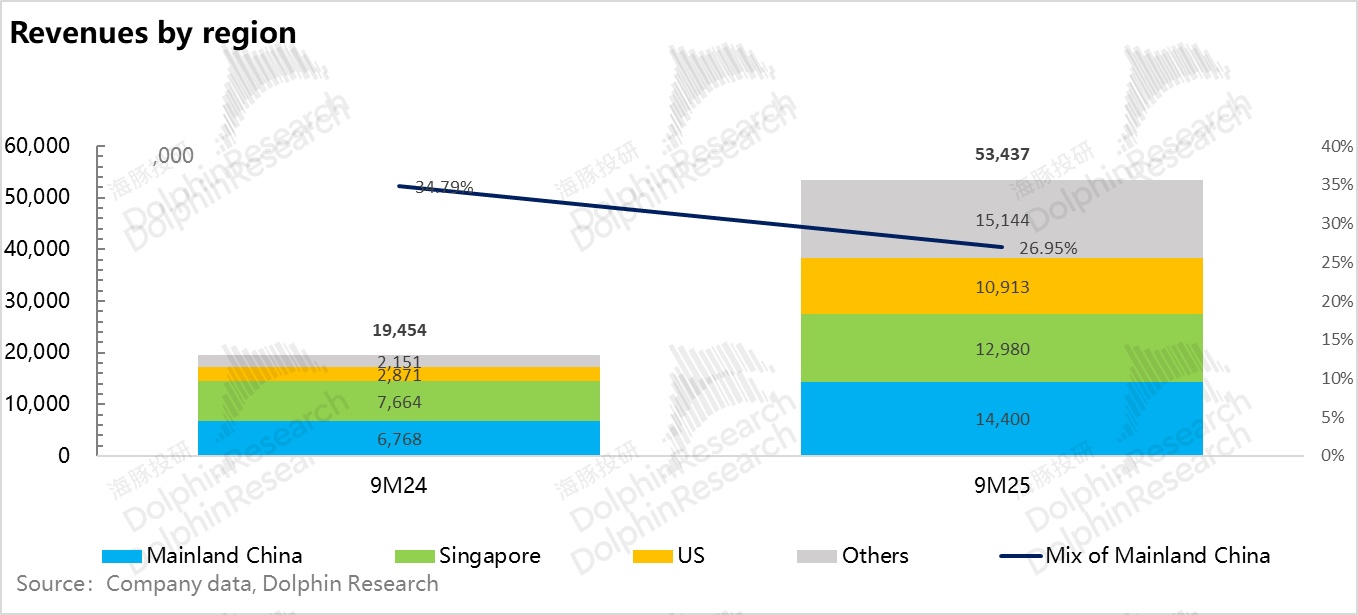
b) global commercialization from day one. AI-native products and API services launched globally, with stronger overseas willingness to pay providing more cash-back for model R&D.
Overall, the to C multimodal focus, avoiding chatbot, and to B API-first lightweight approach kept it from becoming collateral damage in the chatbot wars.
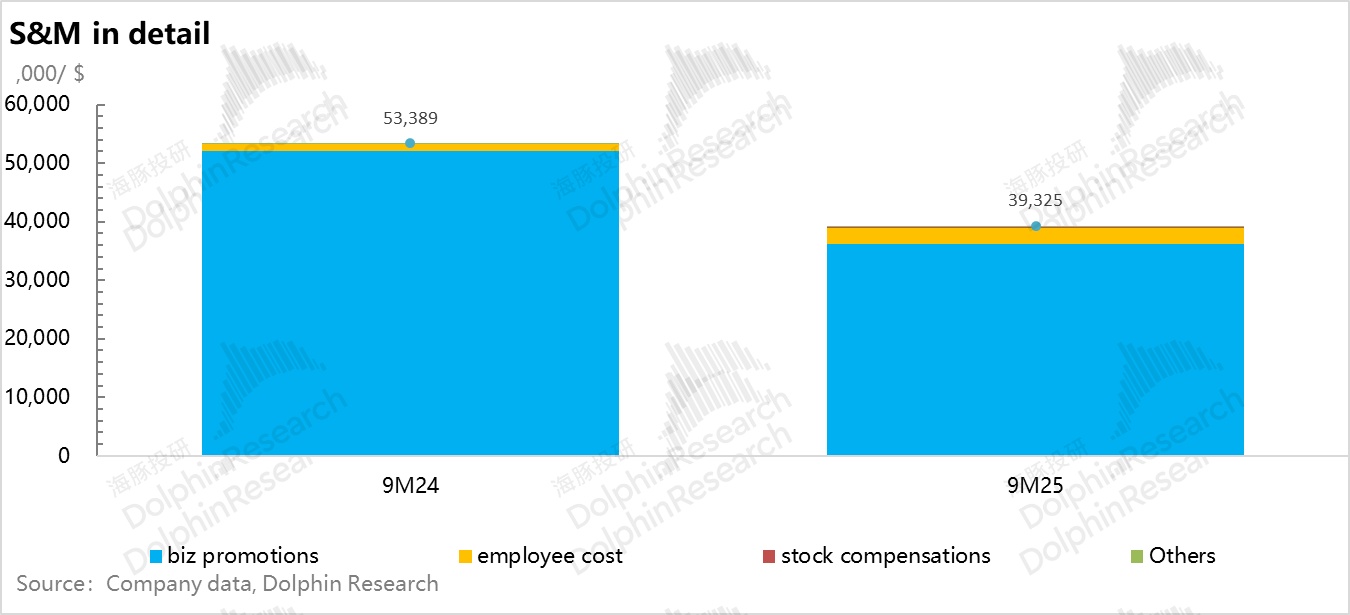
Post-DeepSeek, MiniMax recognized that model iteration drives acquisition and engagement, and even cut absolute acquisition spend amid incumbent battles. CAC per new registered user halved to $0.4 in 2025 from $0.8 in 2024.
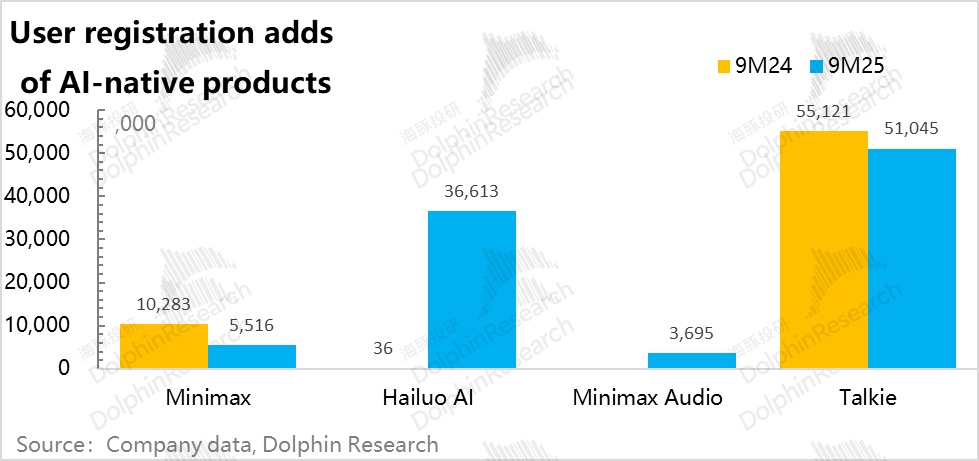
With this strategy, MiniMax launched two niche-but-viral overseas hits: the AI companion app Talkie (domestic brand: Xingye) and the video-gen service Hailuo AI (domestic: Hailuo).
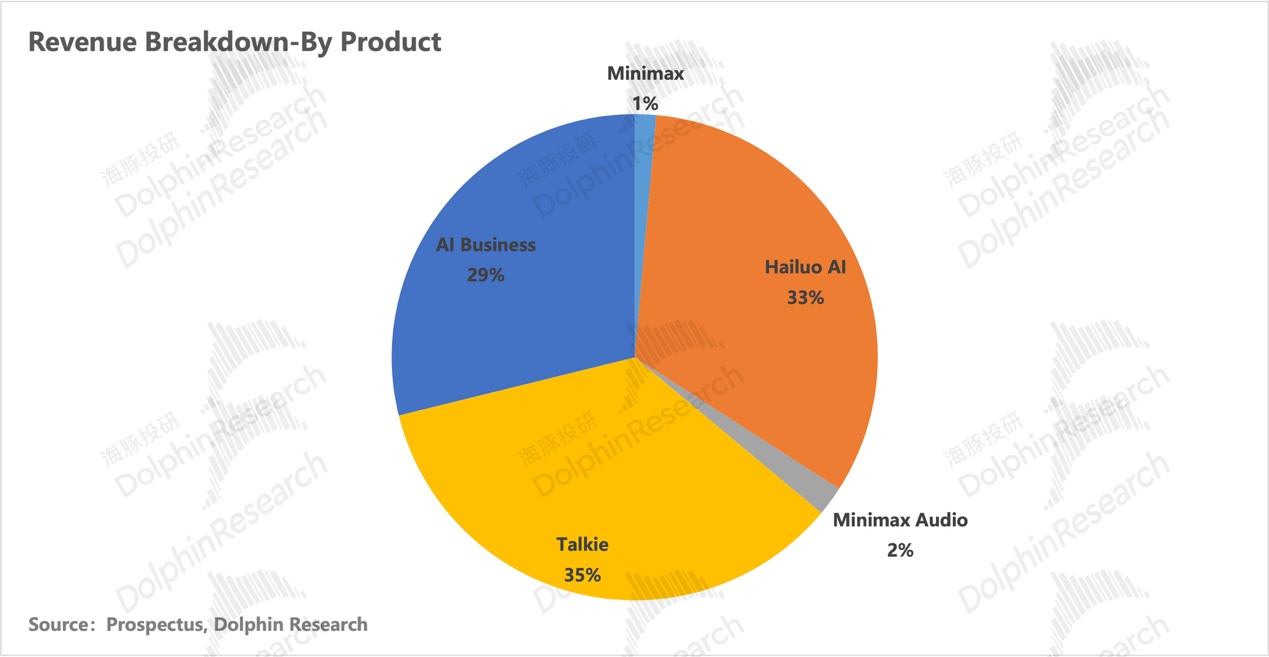
While Talkie is not popular domestically, it ranks high by downloads in its vertical overseas and underpins MiniMax’s leadership among independent model vendors. Scale remains modest: Talkie MAU reached 20mn by Sep-25, and Hailuo app hit ~6mn MAU in 2025.
3.2 Models are capital intensive; monetization must run in parallel
By 2023, with Talkie below 3mn MAU, MiniMax had already begun monetization, but the small base limited revenue potential. With miHoYo as an early shareholder, MiniMax monetizes like general entertainment internet products.
It relies on value-added services via subscriptions and top-ups. Fundamentally, AI subscriptions pay for tokens consumed in inference, i.e., input and output quantities.
1) Talkie/Xingye: emotional companionship, a niche gem
Talkie (overseas) and Xingye (domestic) are AI emotional companionship apps. Users create AI avatars with distinct skills and traits, and others interact and co-create with these avatars.
In-app observations show some users invest heavily in AI boyfriend/girlfriend avatars, celebrating birthdays and buying gifts. Strong interaction and emotional ties limit audience size but drive exceptional time spent: Avg. daily usage exceeds 70 minutes vs 10–20 minutes for productivity assistants.
Through virtual cards and gifts, Talkie/Xingye becomes a community entertainment platform blending ‘companionship + gaming + social + commerce’ rather than a pure AI chat tool.
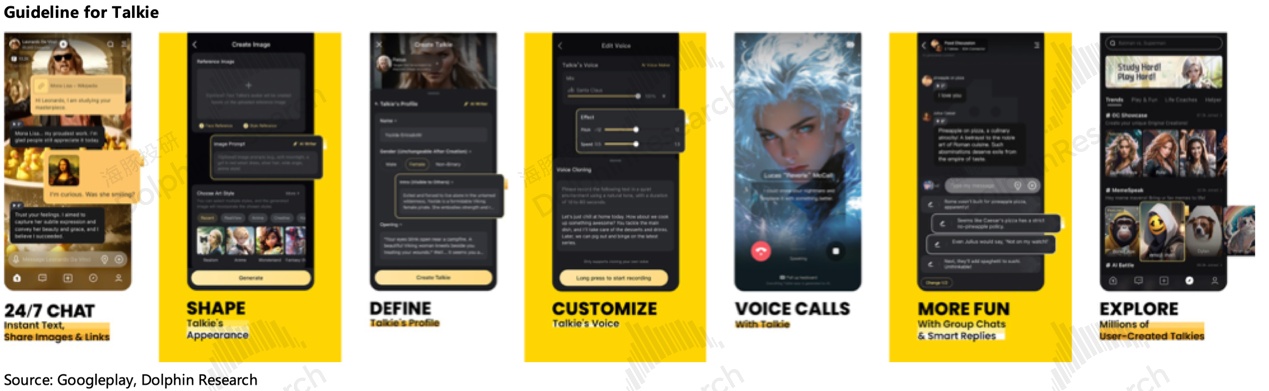
a. Creator side: Xingye’s marketplace allows trading ‘Star Thought’ cards (unlocked or purchased during AI interactions, with scarcity attributes), sharing revenue with creators. Character.AI, by contrast, focuses on chat and relies more on unpaid community contributions.
b. Consumer side: Blind box draws and secondary trading add scarcity and liquidity premiums, strengthening stickiness. Leaderboards fuel activity and ‘ranking logic’, further lifting willingness to pay.
In essence, once MAU scales, front-end monetization looks similar across products. Talkie applies a general entertainment playbook, with underlying assets being AI-generated content.
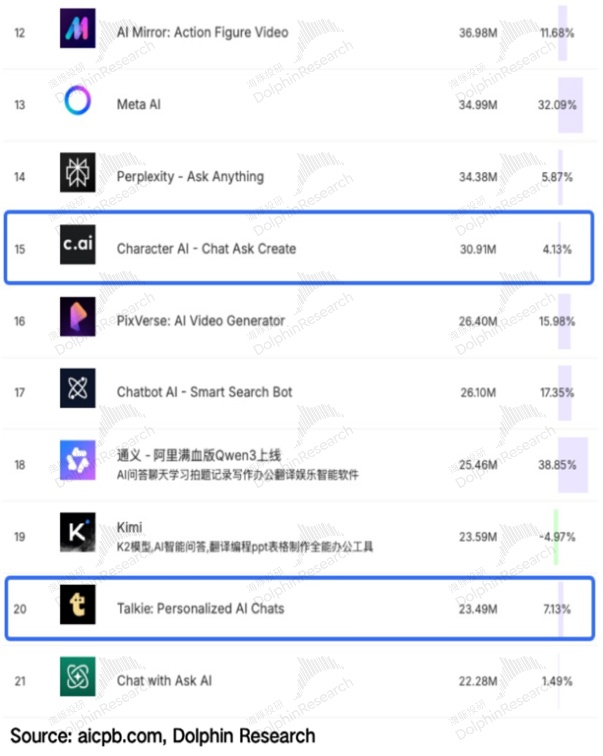
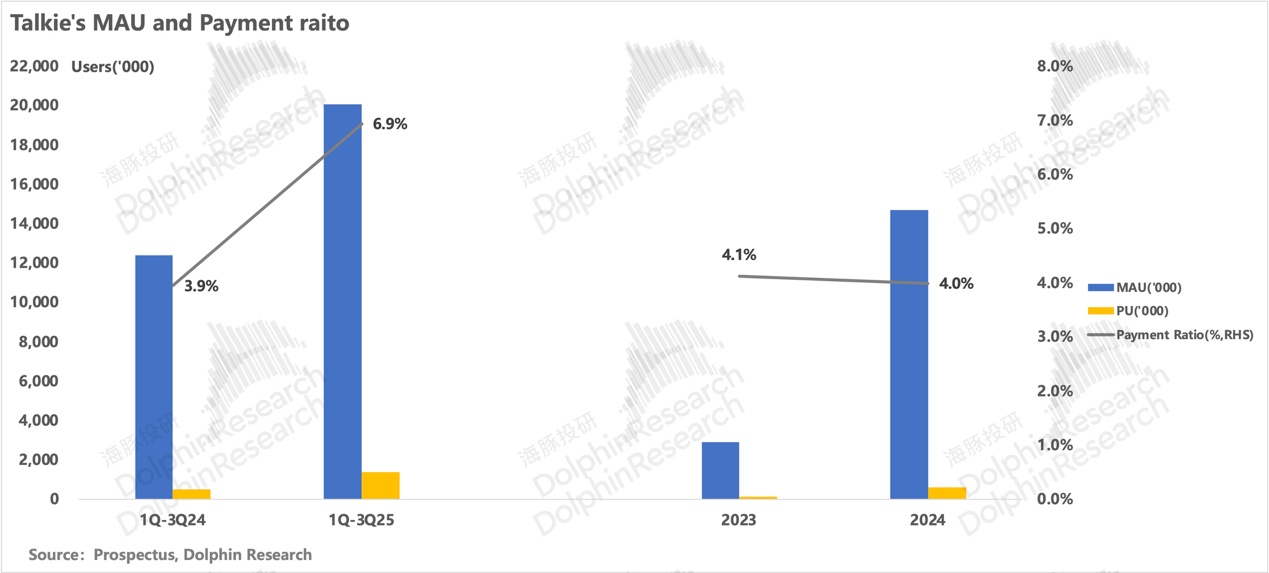
Runner-up in its niche, with high MAU growth and steady pay penetration. Per the prospectus, Talkie/Xingye MAU reached 20mn, up ~62% YoY. AICPB data show it ranked 20th globally among AI apps in Dec-25, second to Character.AI in companionship.
Pay conversion rose 300bps YoY to 6.9%, breaking the ~4% plateau since 2023, driving paid users +184% YoY to nearly 1.4mn. Value-add monetization uses subscriptions + in-app purchases via tiered subs and high-frequency microtransactions, with low-frequency ‘Star Diamond’ top-ups starting at $6 supporting frequent card draws.
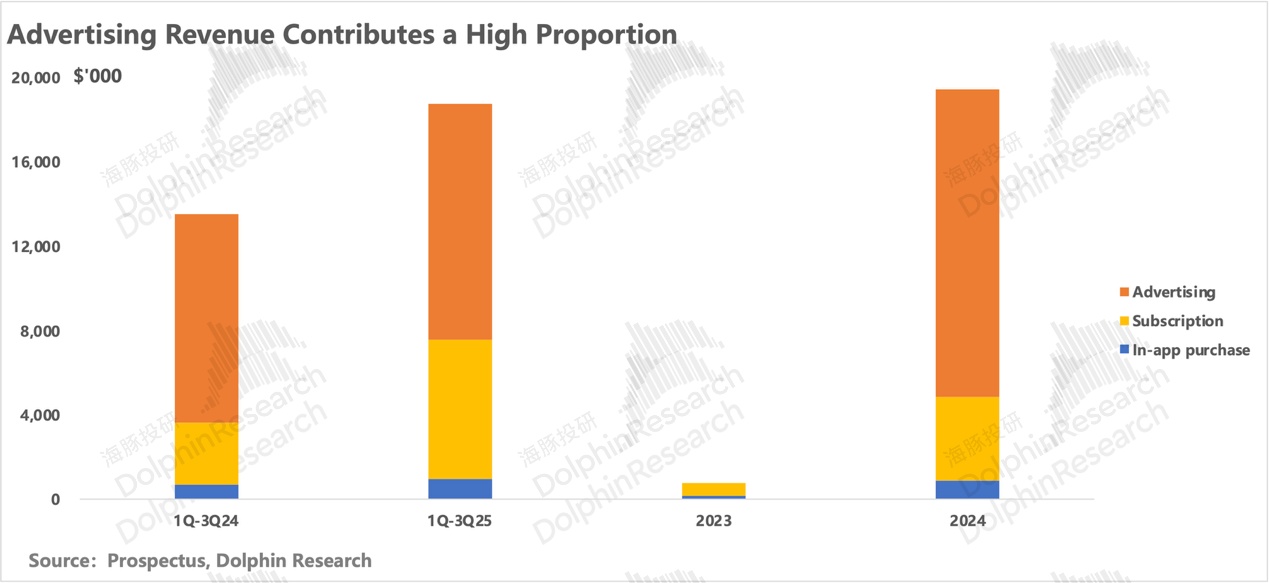
Talkie’s unique angle — ads: As the only AI app with MAU above 10mn, it is also unique in ad monetization, with ads contributing 60%+ of Talkie revenue.
This shows that with 10mn+ MAU and ~70 minutes daily time spent, even an AI-native app naturally monetizes via ads.
Other models and products, such as MiniMax Audio, have limited impact and modest revenue contribution.
2) Hailuo AI: overseas-led, monetizing both domestic and international
Hailuo is MiniMax’s video-generation product offering real-time HD video (text-to-video, image-to-video), image generation, and Agent features. It primarily targets creators and advertisers, and without enterprise verification it functions more as a to C product.
Model iteration is as follows:

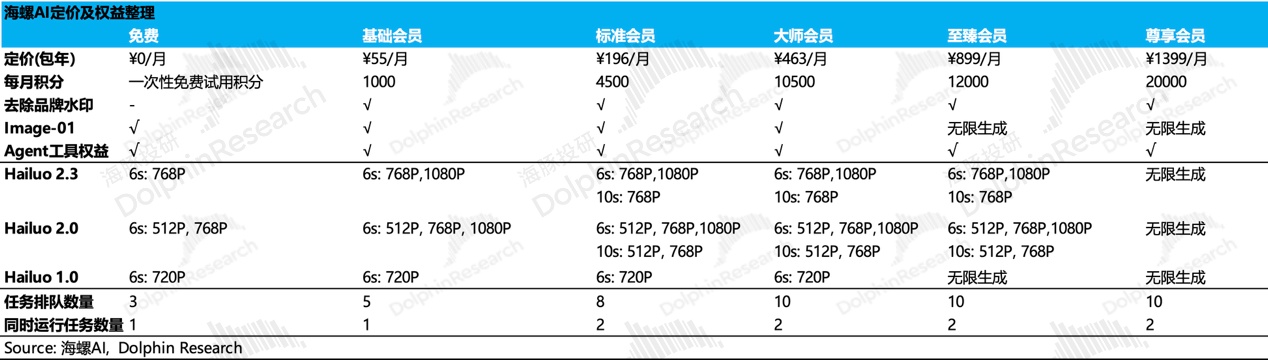
Hailuo ranks mid-to-high on mainstream leaderboards. It is priced aggressively in China but performance trails Keling; revenue is driven mainly overseas.
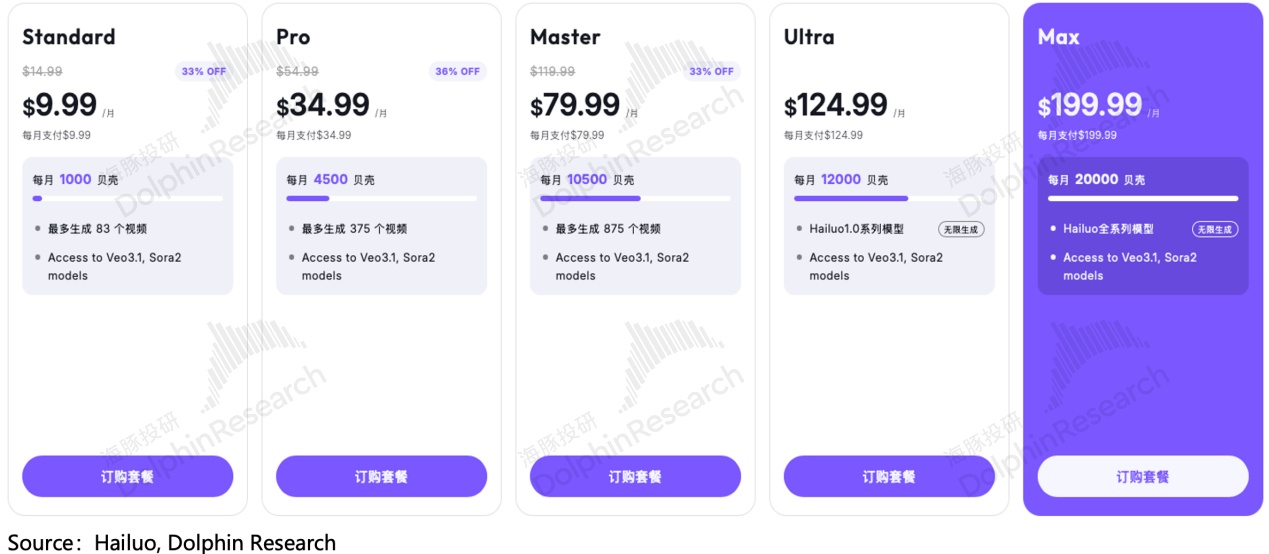
Abroad, MiniMax runs a multi-model fusion strategy — a ‘Model Container’. In short, beyond its own Hailuo model, it integrates Veo, Sora and other video models, giving users flexibility of choice.
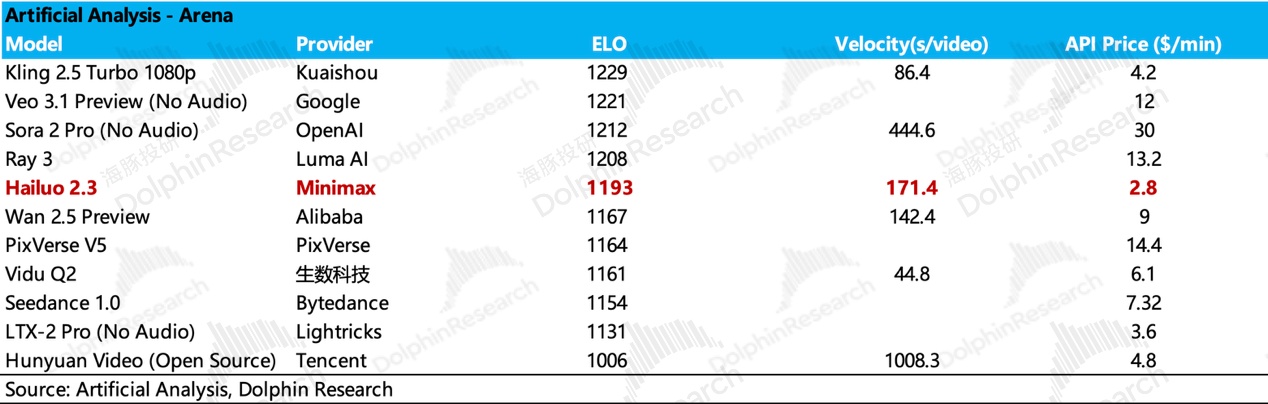
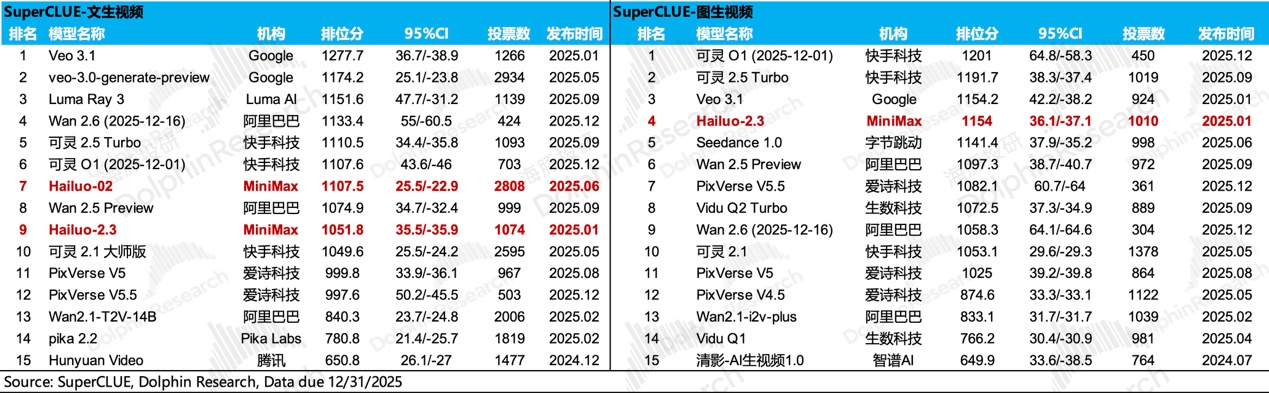
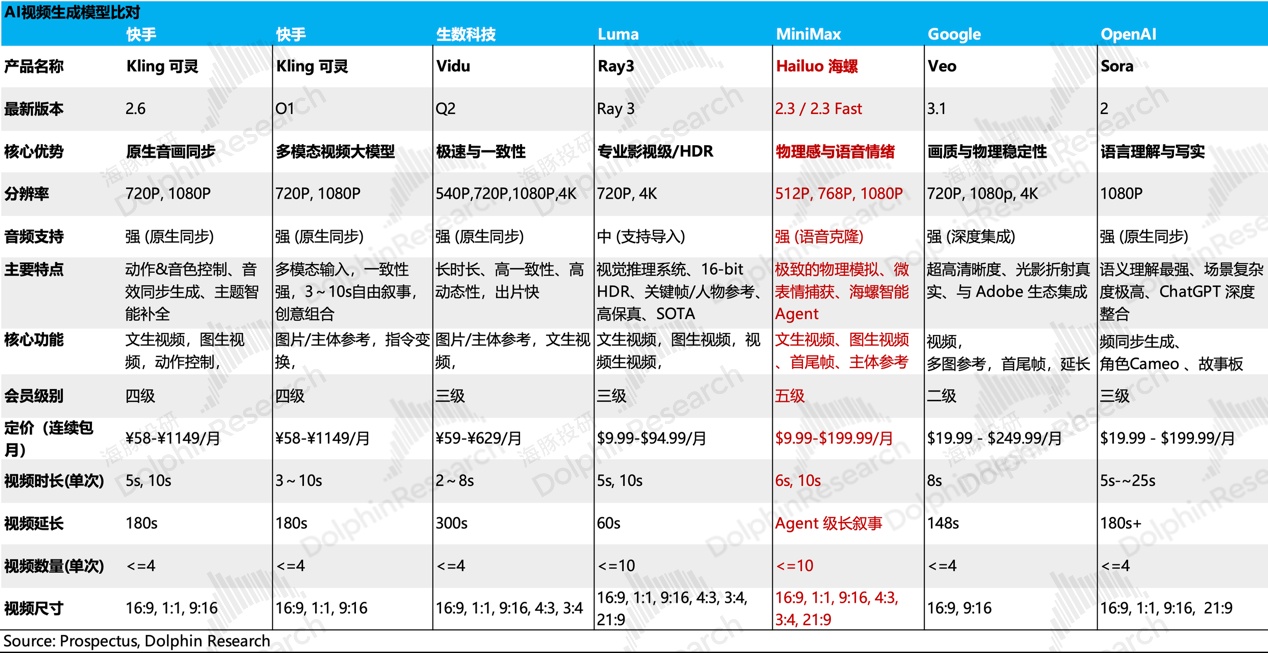
We previously noted Meitu also follows a Model Container strategy. MiniMax, as a model vendor itself, has an edge, directly capturing RLHF data to fine-tune training.
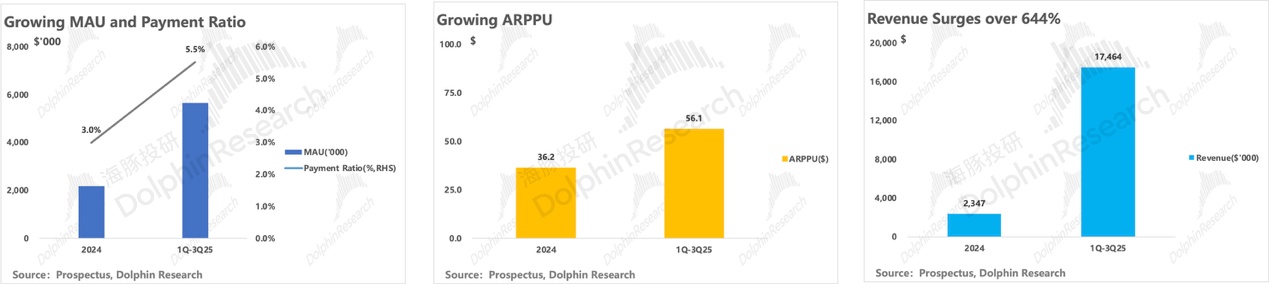
With relatively high subscription pricing and high ARPPU, Hailuo delivered 7x+ revenue growth in the first nine months of 2025.
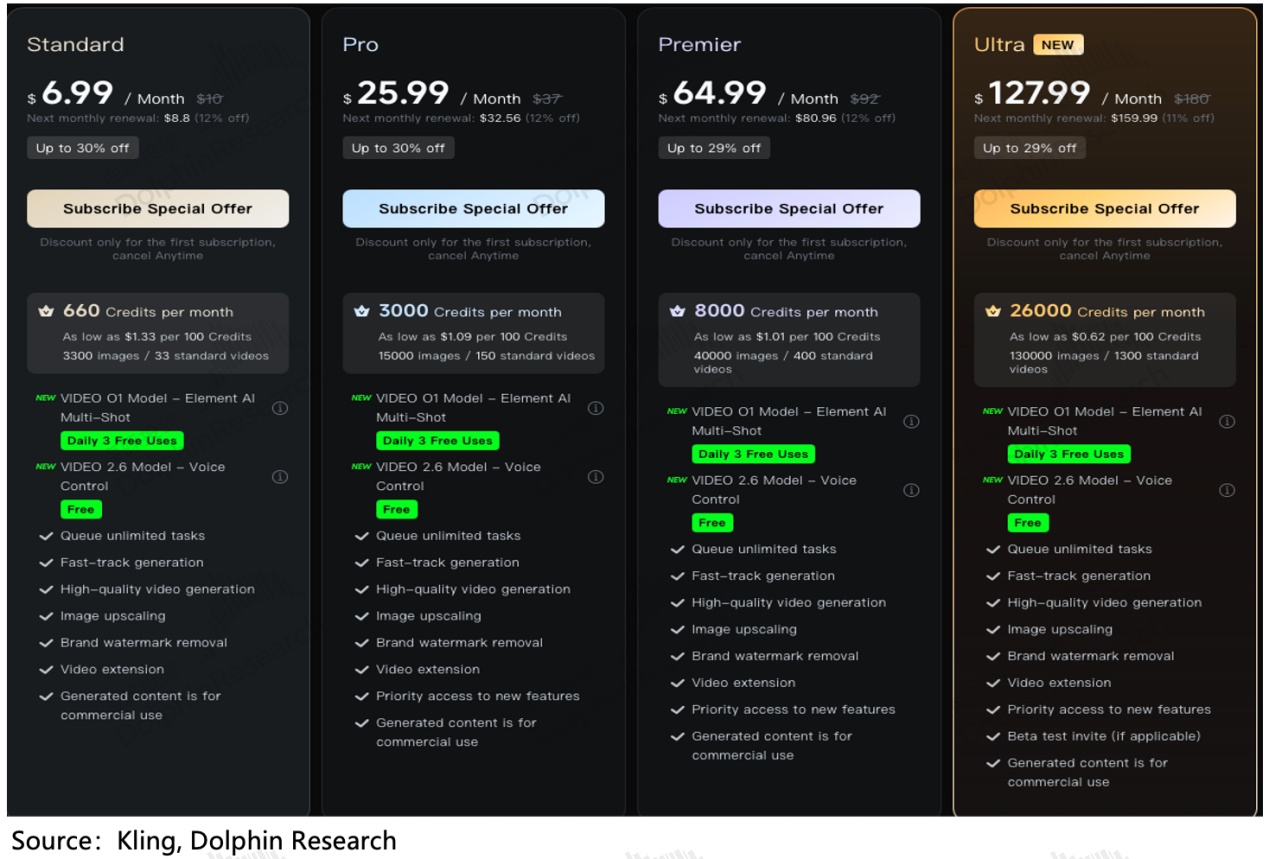
Hailuo’s to B open platform (API): the strategy is aggressive low pricing with decent model quality, but it falls short in latency-sensitive scenarios. Keling (Kling) better balances quality, cost and inference speed, leading the track.
Other models like MiniMax Audio (built on Speech) have small user bases; despite high pay rates and decent pricing, revenue contribution is limited.
Beyond Talkie and Hailuo, what else can scale revenue to support a high valuation? Likely the to B API business and the to C productivity scenario via MiniMax Agent.
1) Rising star: API, already in plain sight
As noted, model intelligence matters in R&D, but at inference time intelligence-per-cost is equally critical. With multimodality added, MiniMax offers the highest intelligence-per-cost among open models.
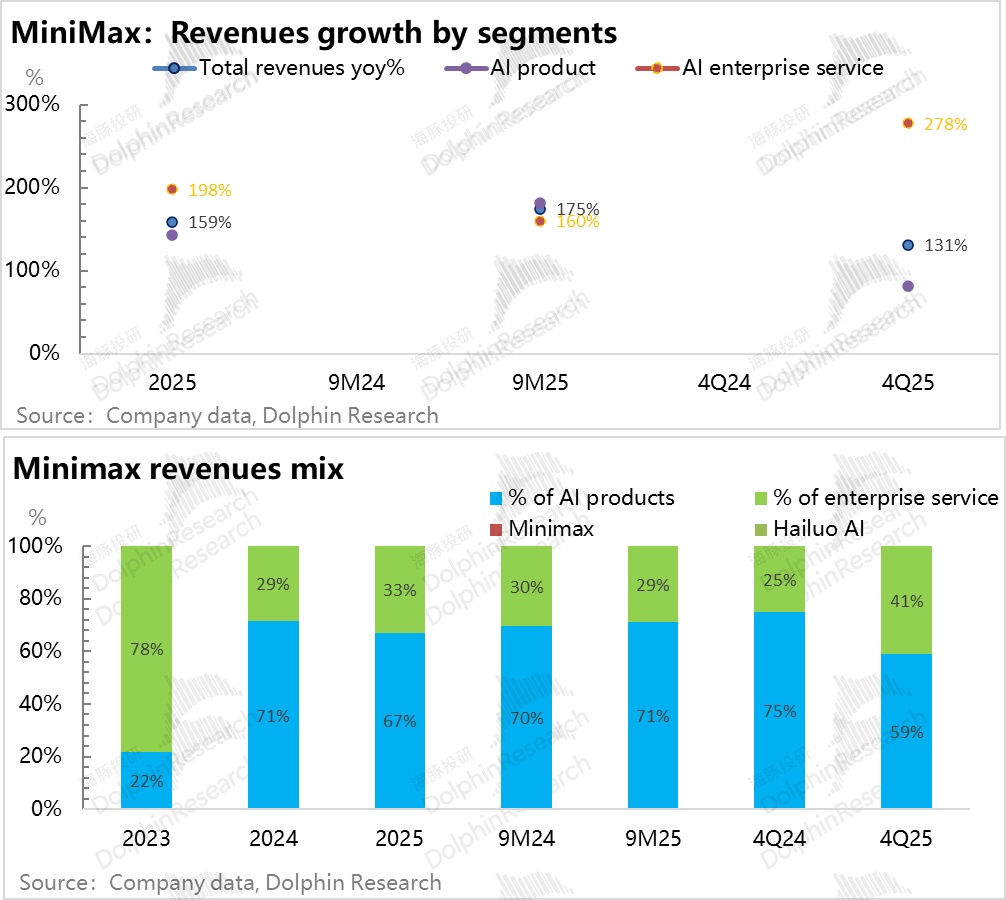
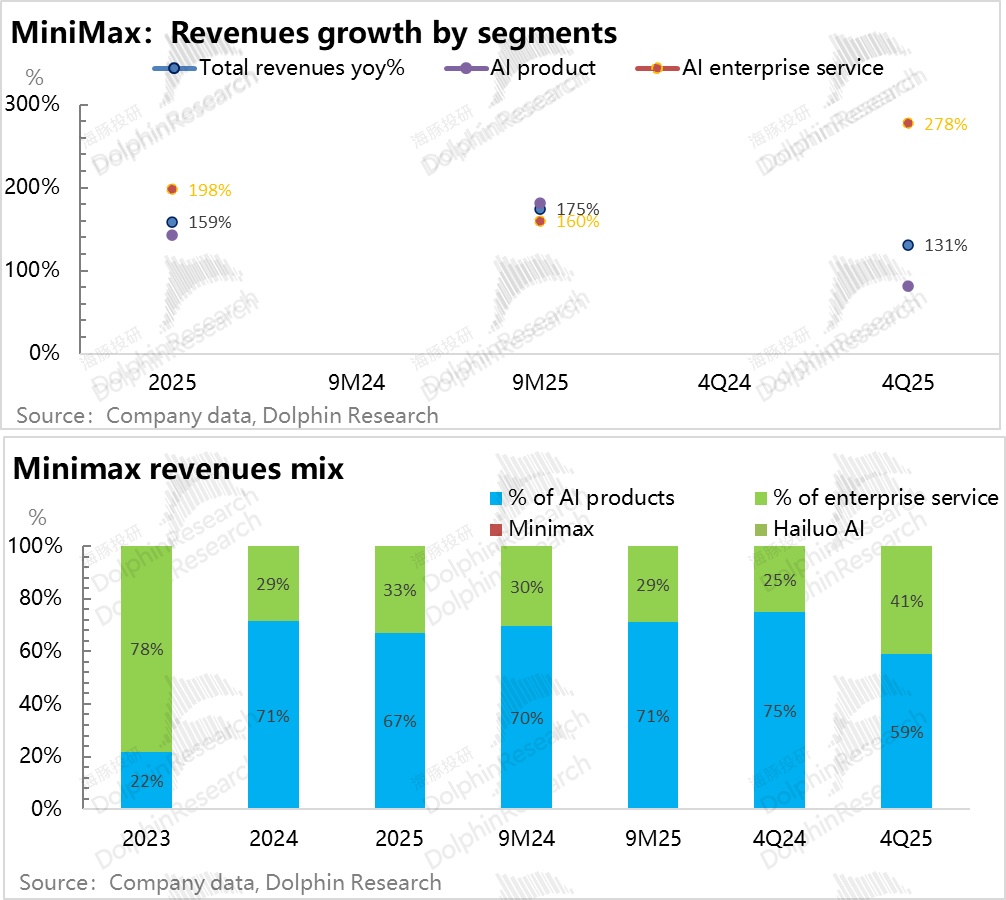
Per the company’s disclosure, after OpenClaw’s Nov-25 launch, API revenue reached ~41% of total, up ~300% YoY.
On the call, management noted ARR hit $150mn in Feb, up from ~$100mn monthly in Q4. Post M2.5 release, daily token consumption in Feb was 6x Dec-25.
A clear trend: lobster-farming has become a core terminal scenario. For use cases with weaker budgets and not aimed at full productivity replacement, closed models like Claude are too ‘luxury’ (MiniMax $1–2/mn tokens vs Claude at ~$20).
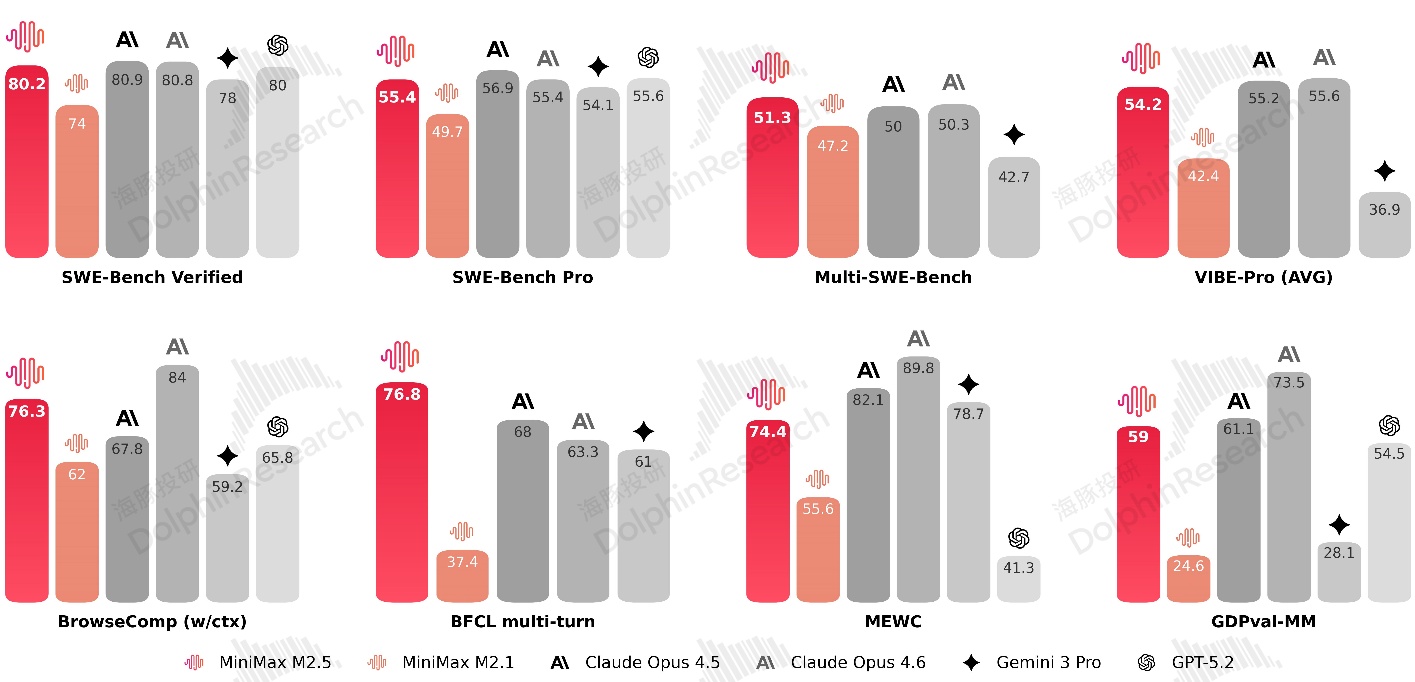
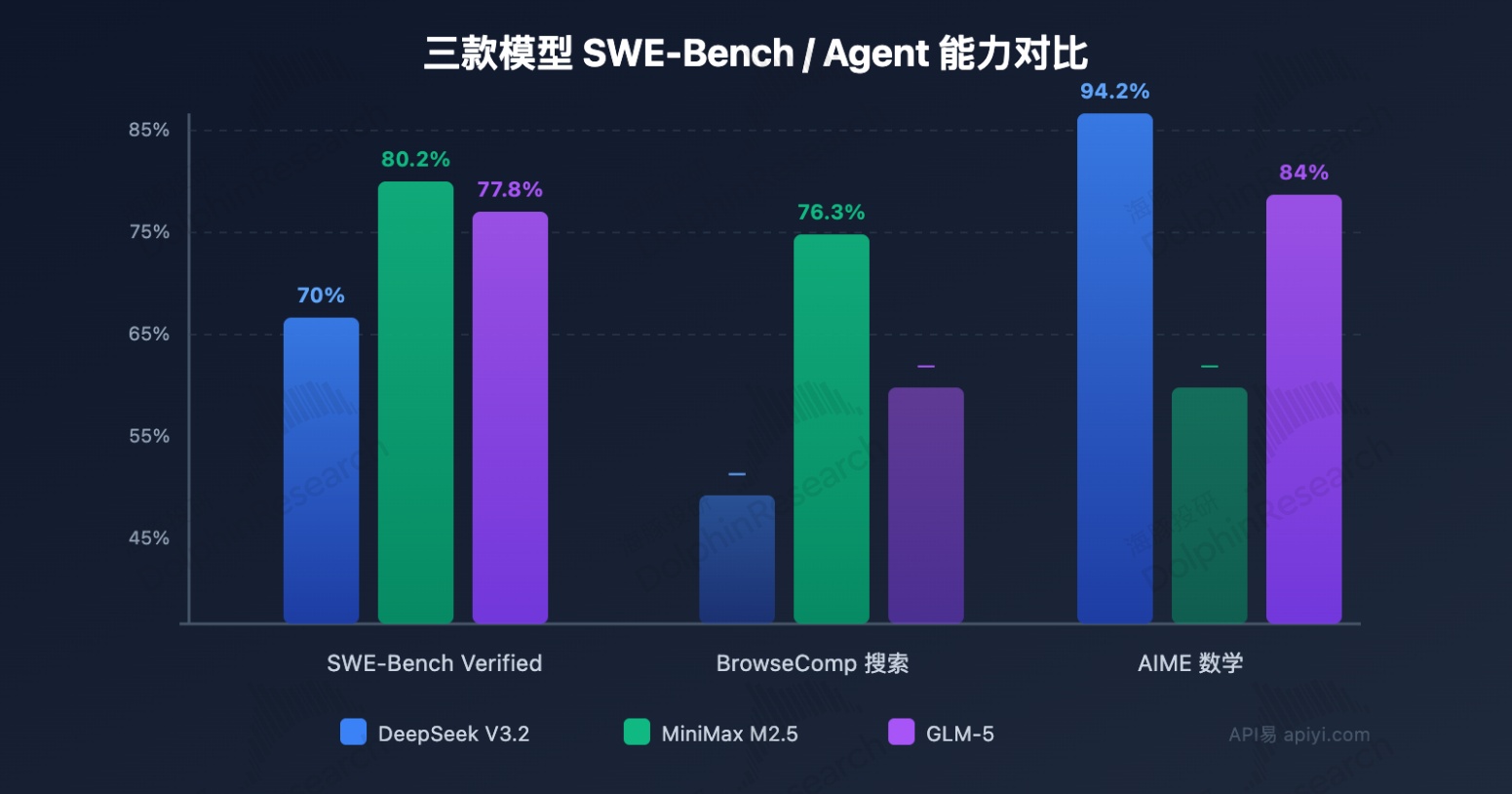
DeepSeek is cheaper, but MiniMax’s M2.5 is stronger in Agent and office-collab tasks. On Agent leaderboards, M2.5 scores well in code (SWE-bench verified), tool use and instruction following (BFCL & VIBE), and multimodal evaluation (GDPval-MM).
In Agent scenarios, swapping Claude for MiniMax cuts cost without a major performance hit. M2.5’s launch also perfectly coincided with OpenClaw’s surge, driving M2.5 calls sharply higher.
2) Rising star: AI co-work poised to pop?
Claude’s post-holiday two killers: a) Claude Cowork, a desktop-embedded Agent executing multi-step tasks; b) business-function plugins spanning sales/marketing, finance, legal, CS and data analysis.
MiniMax’s latest M2.7 specifically optimizes for Agent tasks. Beyond software engineering and Office editing, a MiniMax Agent powered by M2.7 increasingly resembles an open alternative to Claude Cowork.
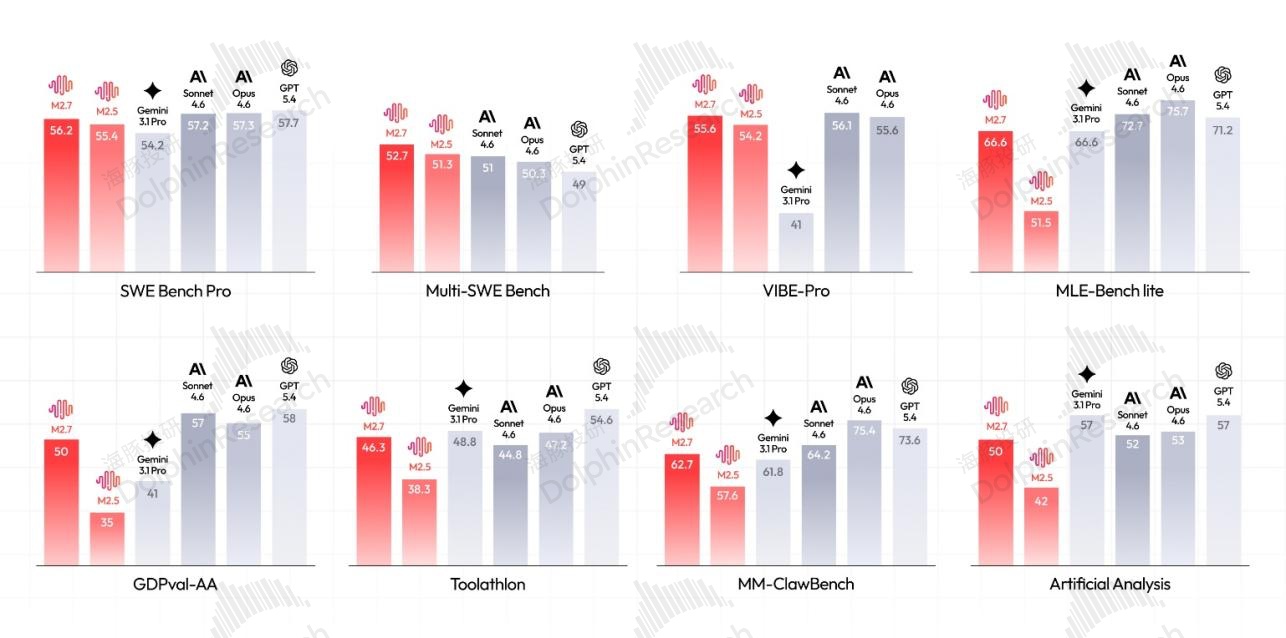
With higher model IQ, 2026 is set to be the breakout year from coding to co-work. Domestically beyond MiniMax, Xiaomi’s new Mimo-V2-Pro targets office Agents, and market chatter suggests the delayed DeepSeek V4 will also emphasize Agent capabilities.
Mimo is multimodal and stresses Agent and coding. In real tasks it is slightly stronger in tool calling; in coding they are comparable, and Mimo-V2-Pro briefly surpassed MiniMax by OpenRouter calls. Overall, each has strengths with a small gap.
Mimo-V2-Pro is currently free; once pricing begins, Xiaomi’s output price is $3–6 vs MiniMax at $1.2–2.4, leaving MiniMax with a value edge.
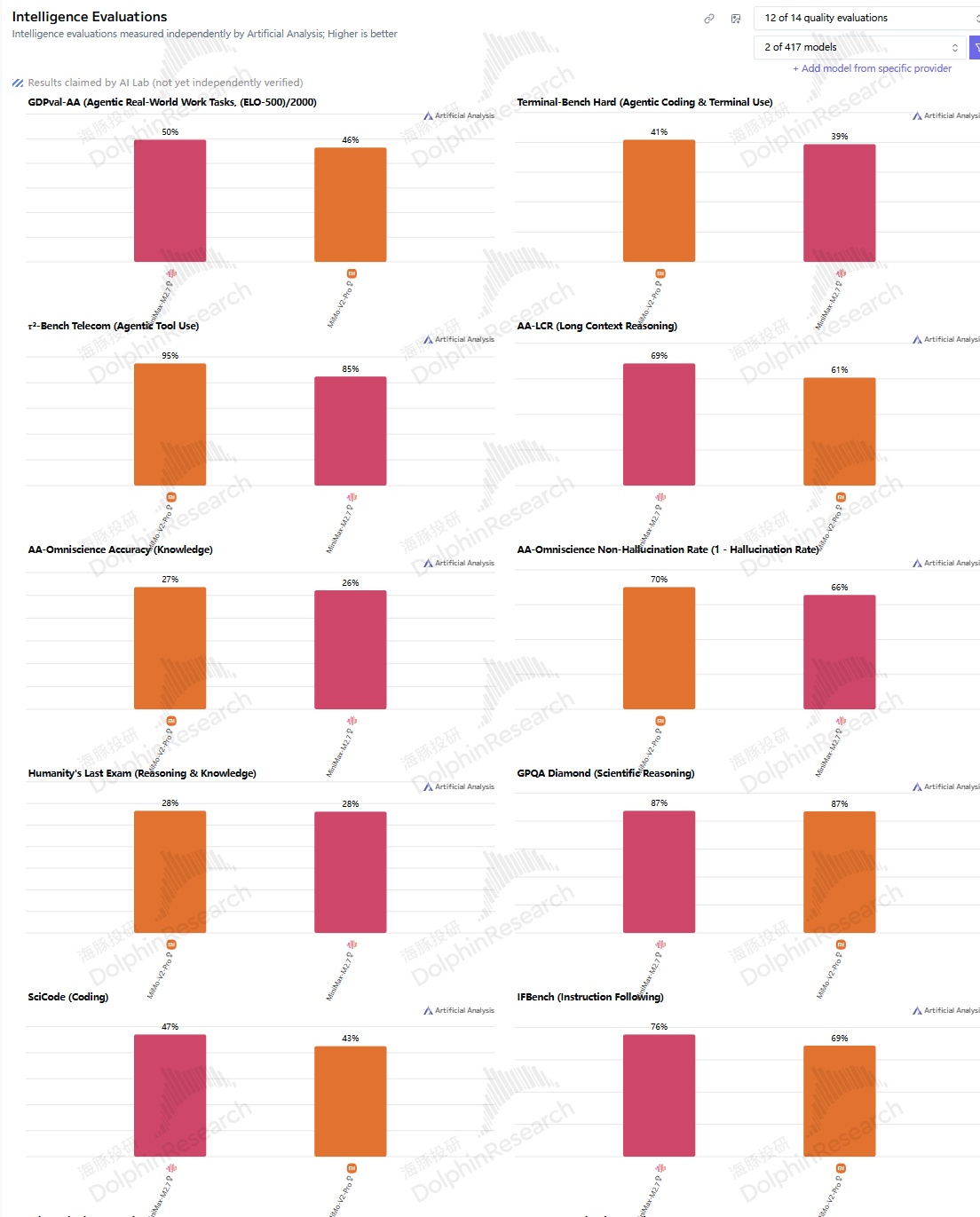
Source: Intelligence Analysis
IV. Top open-source MiniMax: following closed leaders’ signals, step by step
Not only do top-priced closed models like Claude and OAI take turns at the top, but rotation is even faster among value-for-money leaders. What does competition imply for business models and profitability?
A trend is models becoming more commoditized. Front-end Agent OS can route to the right model per demand, weakening internet scale effects, making it essentially a heavy-asset race of cost vs performance.
Beyond tech leadership, cost control and operating efficiency matter. Before the endgame, however, iteration speed and real-world penetration are the core valuation drivers.
Given the early stage of model monetization, token consumption speed is tightly linked to tech progress and deployment. For top open-source models, one method is to benchmark revenue growth to closed leaders using ARR levels and slopes.
Split OpenAI and Anthropic’s growth into two stages: a) $0.1–1bn; b) $1–10bn. OpenAI, more to C, grew ARR 30–40% MoM in stage one, while Anthropic, more to B via API, grew ~20% MoM. From $1bn to $10bn, both were ~12% MoM; OpenAI is now ~5% MoM.
Anthropic’s MoM stayed ~20% both from $0.1–1bn and $1–10bn, as model improvements translate into revenue acceleration at similar pace in to B MaaS.
MiniMax’s revenue growth driver is shifting from to C to to B, with MoM acceleration: ~8% in 2025, and per management, with ARR at $150mn in Feb vs ~Nov’s monthly level from Q4, MoM has accelerated to ~14%.
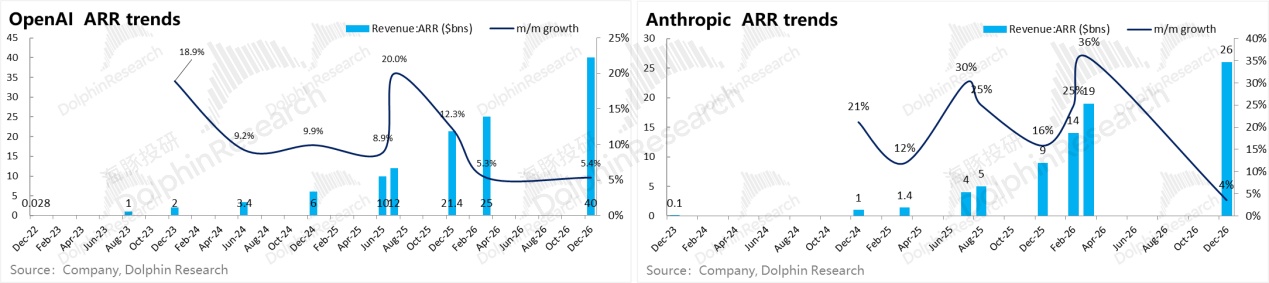
Early-stage closed leaders below $1bn revenue saw PS multiples of 200–400x as absolute revenue under-represented true asset value. We therefore use 40x PS once they pass $1bn as a reference.
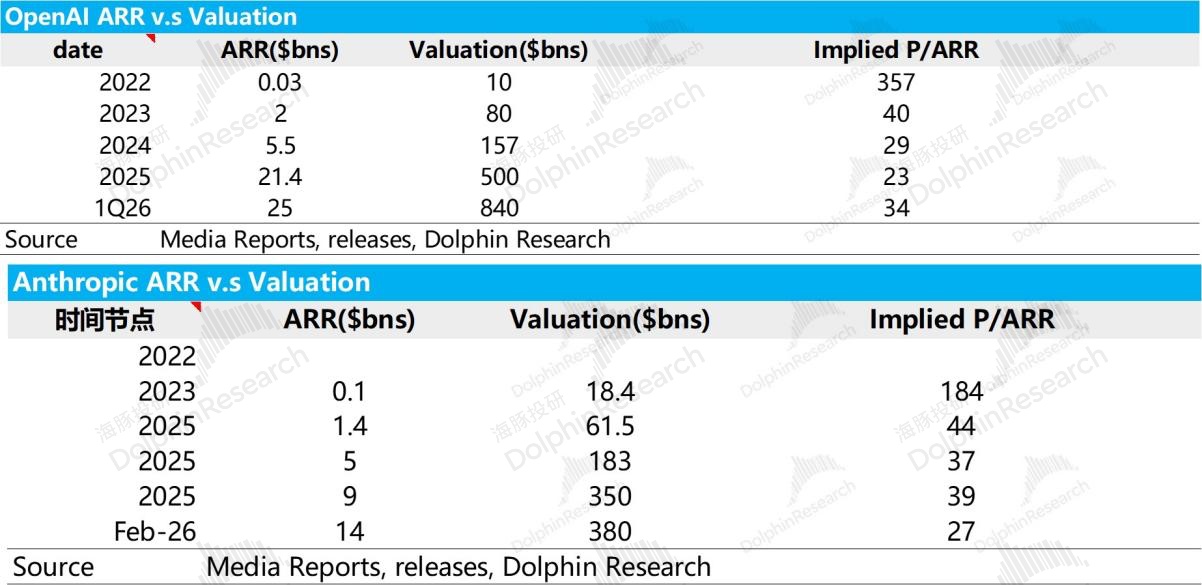
Assuming MiniMax remains a top value-for-money open model, with Feb ARR at $150mn and 15% MoM growth, ARR could reach $1.2bn by next Jun. At 45x PS, implied valuation would be ~$55bn, ~30% above current.
In other words, holding through mid-next year for a 30% gain requires 15 months of 15% MoM growth off Feb’s $150mn annualized base. With 2026’s Agent-driven token surge, this is plausible.
But 30% in over a year is not stellar. Given fiercer iteration among value-tier models vs top-intelligence models, consider buying pullbacks as competitors launch and MiniMax consolidates.
Related articles:
MiniMax vs Zhipu: Foundation models, compute intensity and fundraising stamina
Trillion-dollar question: Where does the AI capex pay back?
AI bubble’s original sin: Is NVIDIA the irreplaceable stimulant?
AI internet showdown: ByteDance, Alibaba, Tencent — the 2026 three-kingdoms fight
Risk disclosures and statements: Dolphin Research disclaimer and general disclosures




The copyright of this article belongs to the original author/organization.
The views expressed herein are solely those of the author and do not reflect the stance of the platform. The content is intended for investment reference purposes only and shall not be considered as investment advice. Please contact us if you have any questions or suggestions regarding the content services provided by the platform.