

 Likes Received
The Middle East situation suddenly escalated, US stocks began to weaken, how long can AI hold up?

Macro risks are returning to the core of trading.
If you're still only focusing on AI or earnings reports, you might be a step behind in this round.
I. What happened globally today (Main theme)
There's only one core event.
Escalation in the Middle East situation.
The Strait of Hormuz issue remains unresolved.
US-Iran confrontation escalates.
UAE energy facilities attacked.
The direct result is clear.
Oil prices surge.
US stock futures plunge.
Risk assets pull back.
Market performance is also direct.
The S&P 500 and Nasdaq retreated from highs.
The Dow fell over 1%, marking its biggest drop in a month.
In summary,
the market is starting to reprice risk.
II. Key changes at the macro level
Besides geopolitical conflict, there are several other important signals.
First, Fed uncertainty persists.
The market lacks a clear direction on interest rates.
Second, currency volatility.
The yen appreciates rapidly, Japan may intervene again.
Third, energy is once again a core variable.
Rising oil prices will affect inflation and rate expectations.
The ultimate impact is
tech stock valuations are starting to face pressure.
III. The real state of the AI sector
There's a lot of AI news today, but the core message is just one sentence.
Growth is strong, but the market is starting to question valuations.
On the positive side,
Palantir's earnings grew significantly.
AI demand continues to explode.
Computing power and storage remain tight.
But more importantly, the hidden risks are
AI investment is too large.
The payback period is uncertain.
Some capital is starting to cash out at highs.
In summary,
the AI logic is sound,
but valuations are entering a pressure zone.
IV. Changes in other industries
Apple is starting to discuss price hikes,
indicating rising cost pressures.
Amazon is expanding logistics,
putting clear pressure on the transportation sector.
AI entering the monetization phase
means it's starting to truly commercialize,
but competition will also intensify.
V. Key levels for the S&P 500
Currently, focus on two ranges.
Around 7150
If it pulls back to here,
don't rush to buy the dip.
First, see if the decline stops and if there's capital support.
Confirm stability before considering participation.
Around 7300
If it rebounds to here,
focus on whether it can hold with increased volume.
If it can hold, you can participate with the trend.
Be wary of false breakouts if it surges and then falls back.
In summary,
7150 is the observation level,
7300 is the confirmation level.
VI. What to do next
The market is no longer in an offensive phase,
but a defensive and screening phase.
For those with positions,
you can gradually reduce positions or raise stop-losses.
For those without positions,
chasing highs is not recommended.
Waiting for a pullback is more reasonable.
Pay attention to the direction:
Energy is relatively strong.
Defensive sectors are relatively stable.
High-valuation tech faces short-term pressure.
It's essential to keep cash.
This is the most important point at the moment.
VII. Focus areas
Relatively beneficial directions:
Energy-related
Oil price rise logic.
AI core leader pullback opportunities,
such as NVIDIA and Microsoft.
Areas requiring caution:
High-priced AI application stocks.
Tech stocks with excessive short-term gains.
VIII. Stocks to watch today:
CRCL, MU, Tesla, NVDA, INTC
IX. Final judgment
One crucial thing is happening in the market now.
Shifting from only looking at growth
to starting to price in risk.
The logic for rising prices is still there,
but new variables have entered the market.
What matters next is not who is more optimistic,
but who controls risk first.
The above analysis is for reference only and does not constitute any investment advice.
Trend learning for today
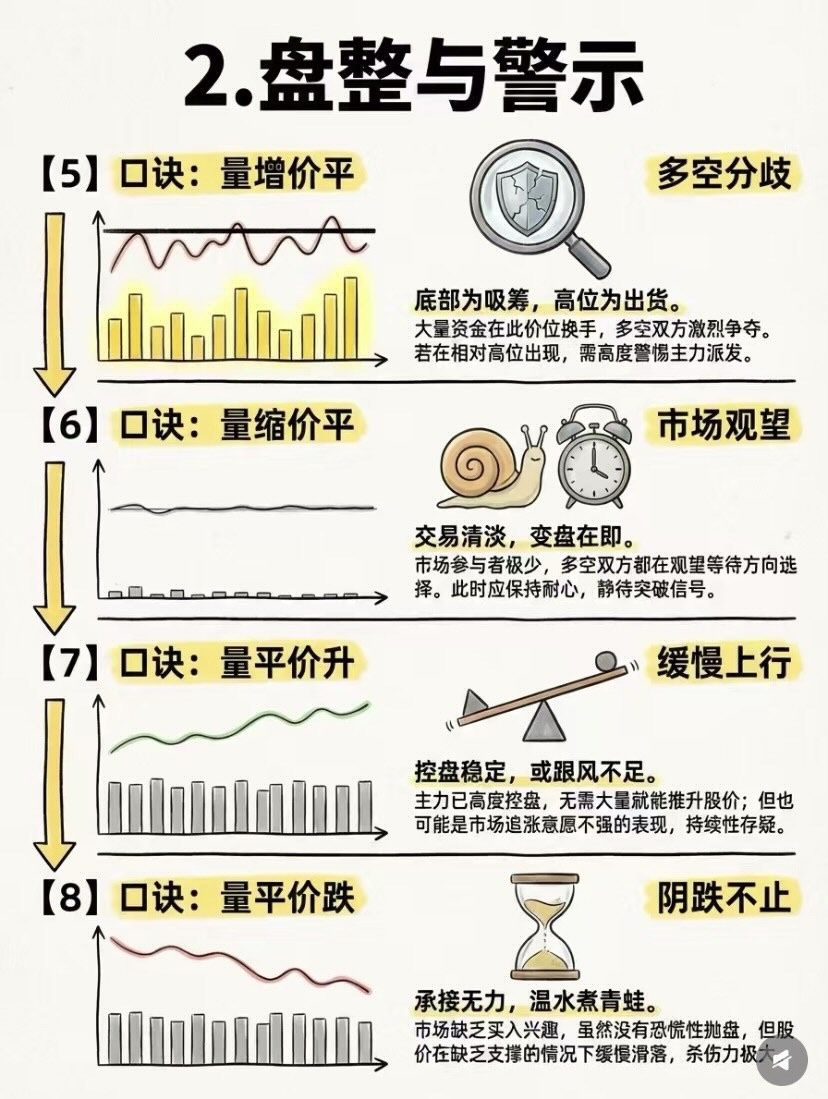
$Sandisk(SNDK.US) $SPDR S&P 500(SPY.US) $NVIDIA(NVDA.US) $Tesla(TSLA.US) $Lumentum(LITE.US) $Alphabet - C(GOOG.US) $Amazon(AMZN.US) $AMD(AMD.US) $Broadcom(AVGO.US) $Apple(AAPL.US)
The copyright of this article belongs to the original author/organization.
The views expressed herein are solely those of the author and do not reflect the stance of the platform. The content is intended for investment reference purposes only and shall not be considered as investment advice. Please contact us if you have any questions or suggestions regarding the content services provided by the platform.
