

 Rate Of Return
 Total Assets
Were there leading signals for Friday's market pressure?
Friday's sharp decline in U.S. stocks seemed sudden, but if you look at several signals together, it wasn't entirely without warning. What's truly worth paying attention to is not the index's daily movement, but the fact that market risk appetite had already begun to loosen before the drop.
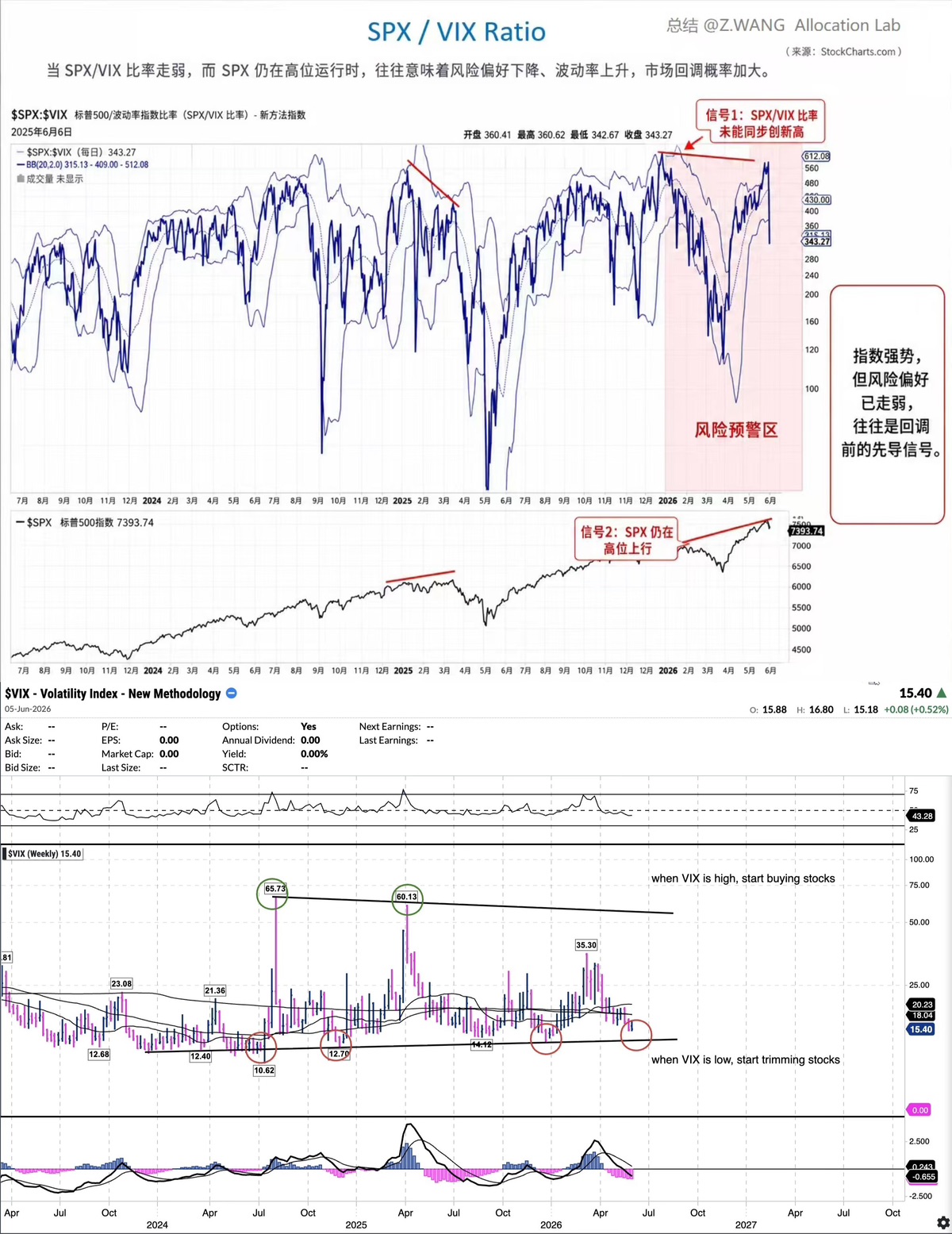
·Signal One: The Turning Point of the SPX/VIX Ratio
The SPX/VIX Ratio can be understood as "S&P 500 strength divided by volatility pressure."
When the S&P 500 is still running at high levels, even continuing to hit new highs, but the ratio does not move in sync, it indicates that while the market is still rising on the surface, the underlying risk pricing has deteriorated.
This is completely different from looking at the index alone. If the VIX stops declining and even starts to rise, it means capital is paying a higher insurance premium for potential volatility.
In other words, risk has already been priced in advance in the derivatives market. A strong index does not equal strong risk appetite. When the SPX is still high, but the SPX/VIX Ratio weakens in advance, it often indicates that the quality of the rally is declining, and the market is entering a state of "high-level fragility."
·Signal Two: VIX is at a low level but has limited downside room
In a high-valuation environment, an excessively low VIX might actually signal that the market is overly relaxed.
The logic behind "when VIX is low, start trimming stocks" is: when volatility is suppressed to very low levels and the market is generally unconcerned about risk, one should instead be wary of insufficient risk premium.
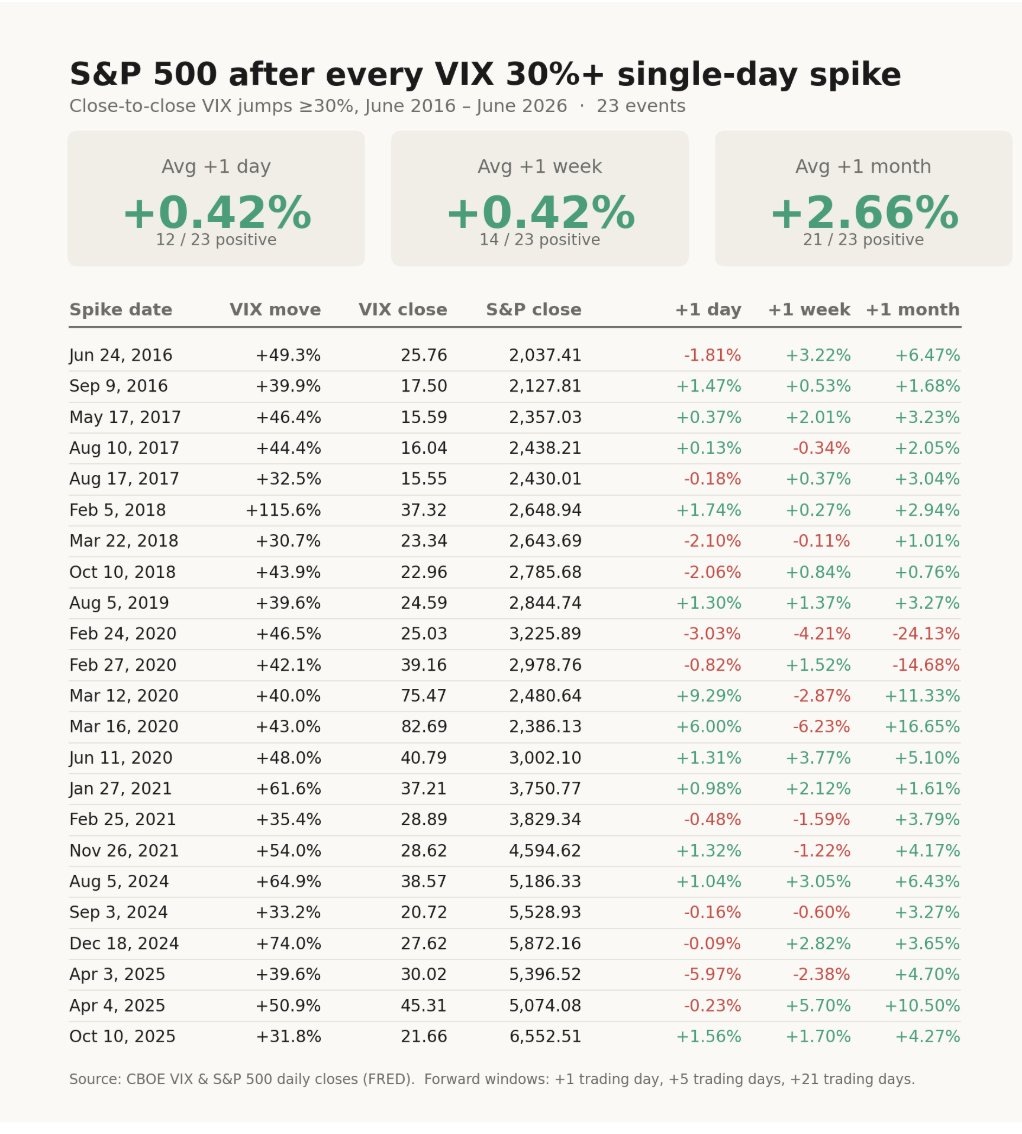
The real buying opportunity is often not when the VIX is low, but after the VIX spikes rapidly. The low VIX phase may not be suitable for chasing rallies, while after a high VIX outbreak, it's time to start looking for opportunities to buy on dips.
·Signal Three: Sudden changes in macro interest rate expectations
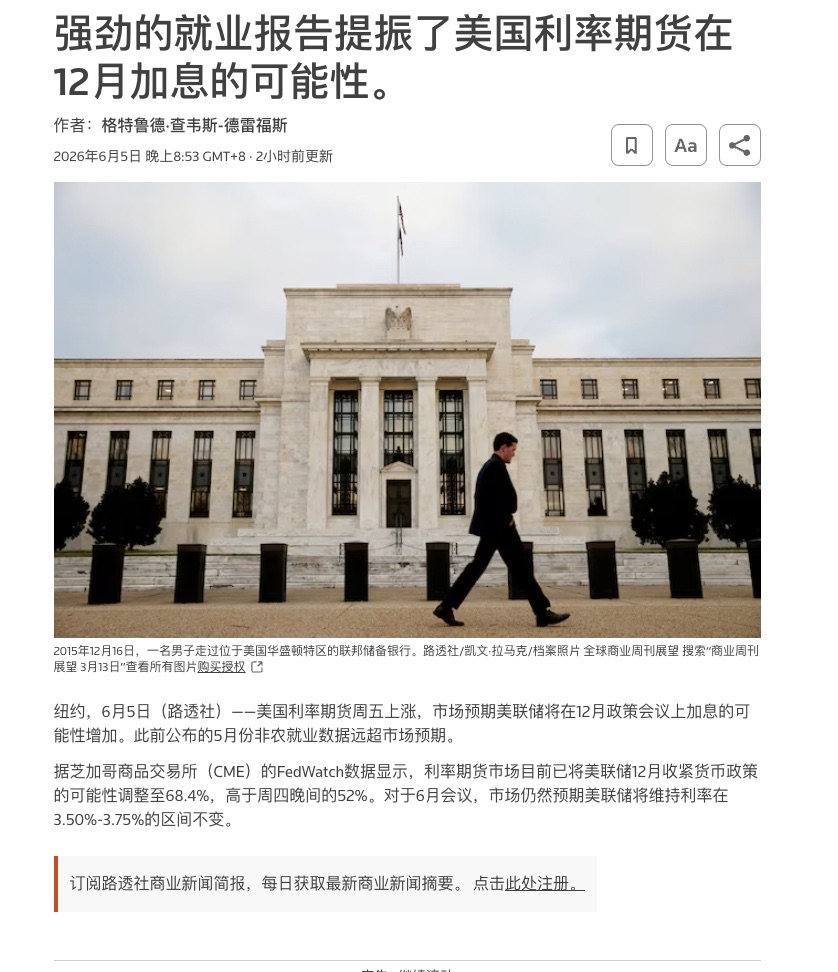
Friday's market pressure wasn't just due to the so-called "IPO siphon effect." The more core trigger was strong employment data raising market expectations for the Fed to resume rate hikes.
The interest rate futures market began pricing in a higher probability of a December rate hike, which is particularly unfriendly to high-valuation markets.
For some time, the index, especially the Nasdaq and AI-related assets, have been able to maintain high valuations based on an important premise: the market's belief that interest rates have peaked. If employment data is strong, concerns about inflation stickiness resurface, and rate hike expectations reappear, the entire valuation framework needs to be repriced.
The chain is: strong employment → concerns about inflation stickiness → upward revision of rate hike expectations → rising U.S. Treasury yields → pressure on high-valuation assets → VIX rebound.
Therefore, Friday's decline was the result of both macro expectations and market structure.
The market has shifted from a phase of "strong index, low volatility, strong risk appetite" to a phase of "index still strong, but risk appetite beginning to weaken."
The most dangerous thing is investors still chasing rallies with the mindset of a bull market's tailwind phase.
·Friday's sharp decline indeed had leading signals
The three signals—weakening SPX/VIX Ratio, low-level VIX starting to rise, and rebounding rate hike expectations—collectively indicate the market has entered a high-level fragile zone.
Going forward, blindly chasing rallies is not advisable. Instead, one should wait for a more full release of panic before seeking better windows for buying on dips.
$2x Long VIX Futures ETF(UVIX.US)$SPDR S&P 500(SPY.US)
The copyright of this article belongs to the original author/organization.
The views expressed herein are solely those of the author and do not reflect the stance of the platform. The content is intended for investment reference purposes only and shall not be considered as investment advice. Please contact us if you have any questions or suggestions regarding the content services provided by the platform.
