

Hong Kong-US Market Review (11.13): The 'Expensive' and 'Not Expensive' of the Market is Never a Math Problem

Dear friends, today I want to talk about what's on everyone's mind—is the market "expensive" right now?
To be honest, most people entering the market aren't really concerned about "whether valuations are reasonable"—what they really care about is: Can I still make a little more? But once you truly understand the market, you'll realize that market trends are never a math problem based on valuation levels; they're a game of emotion and strategy.
"Expensive or not" is never the core—belief is
Many people like to say—this stock is too expensive. But the question is, so what if it's expensive? In the market, what truly drives prices isn't rationality—it's human psychology. Take the people who bought at 19,400 points, for example. When it rose to 24,000, they thought it was already high enough—but when it hit 27,000, they couldn't resist jumping in again. Why? Because the phenomenon of continuous price increases forces them to redefine what "high" and "low" mean. This is the charm of the market—what you think is high might go even higher; what you think is low might go even lower.
Valuation is more art than arithmetic. The market's irrationality lasts far longer than we imagine. Remember when Tesla's P/S ratio was 15x in 2020? Everyone called it a bubble. And then? The stock price rose another eightfold. In 2021, Kweichow Moutai's P/E was 60x, and everyone thought it was reasonable—until it got cut in half. So don't think you can judge market trends just by "numbers." If the market were really a numbers game, everyone would just wait to buy at 1x and sell at 99x—there'd be no trading in between. But in reality, what makes the market interesting is that human nature never follows the numbers.
"A voting machine in the short term, a weighing machine in the long term"—but the short term can last surprisingly long
We often say: the market is a voting machine in the short term and a weighing machine in the long term. But don't forget—one "short term" after another can stretch long enough to shake your conviction. If you let short-term volatility scare you into frequent trading, you'll never reap the long-term rewards.
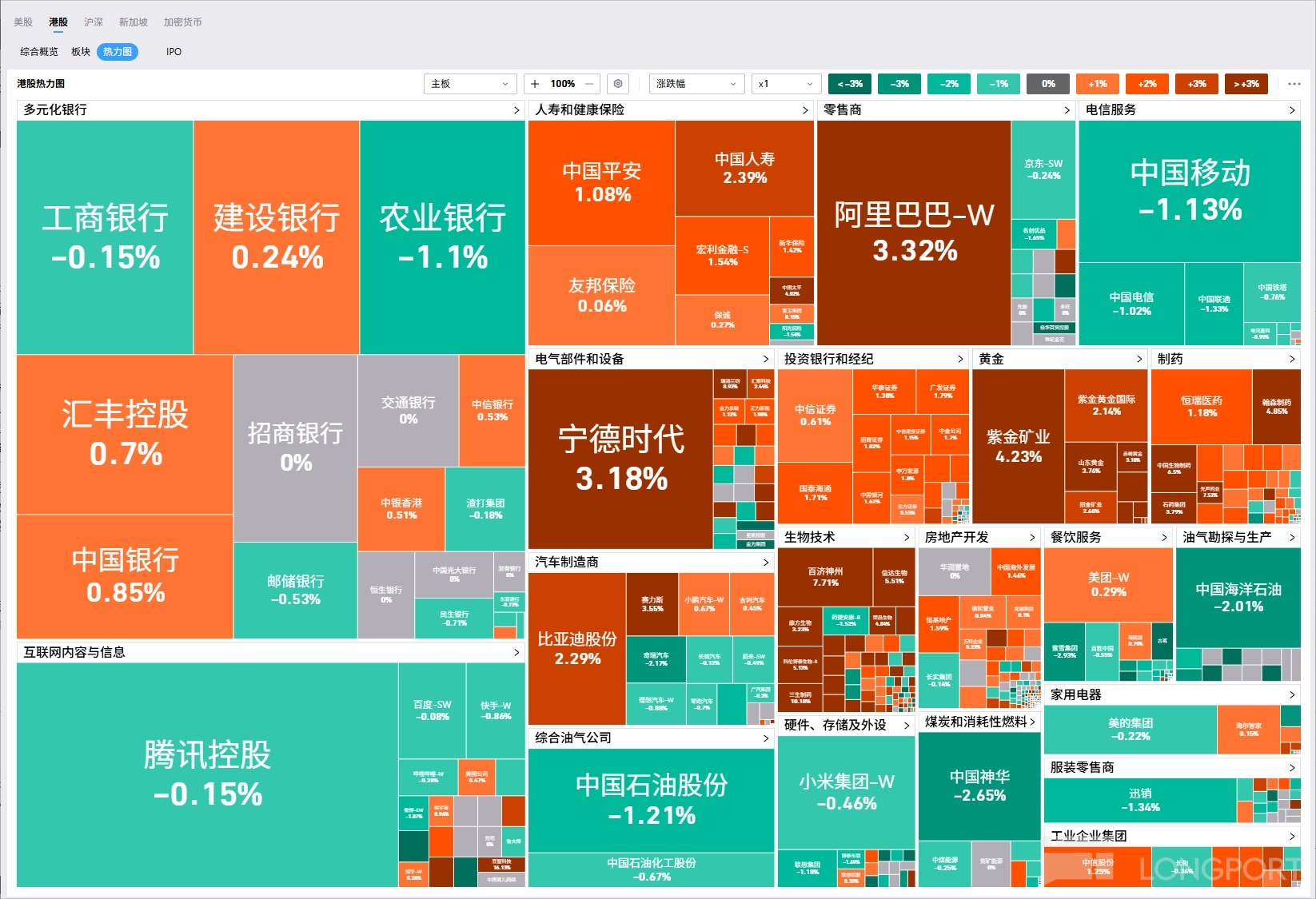
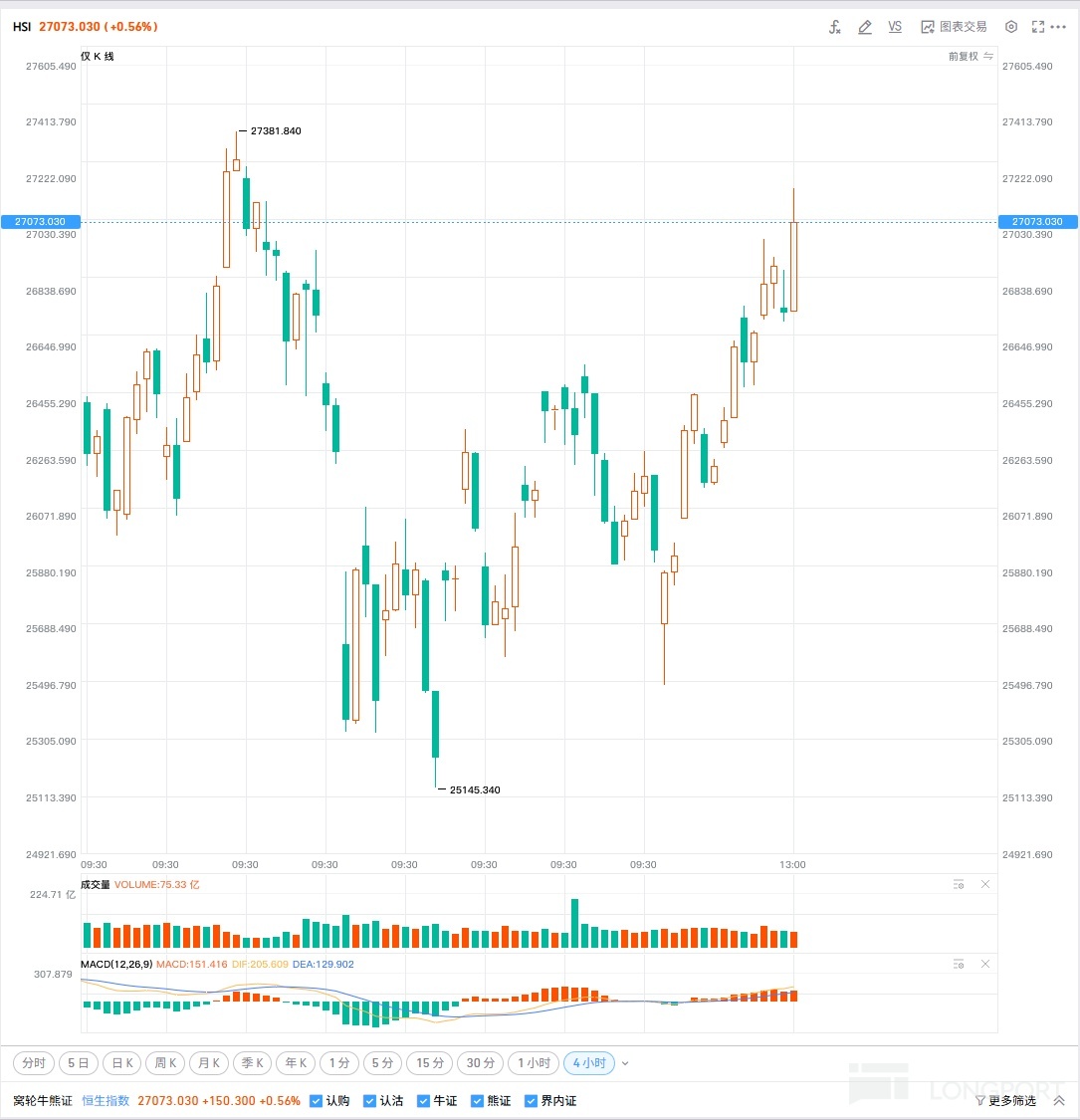
$Hang Seng Index(00HSI.HK) : Steady rhythm, trend intact
Back to the market—the Hang Seng's overall trend is still within expectations. The same old advice applies: ignore short-term fluctuations and focus on the long-term trend.
As long as each wave is higher than the last, there's no need to worry. The market is consolidating, building momentum—that's an opportunity.
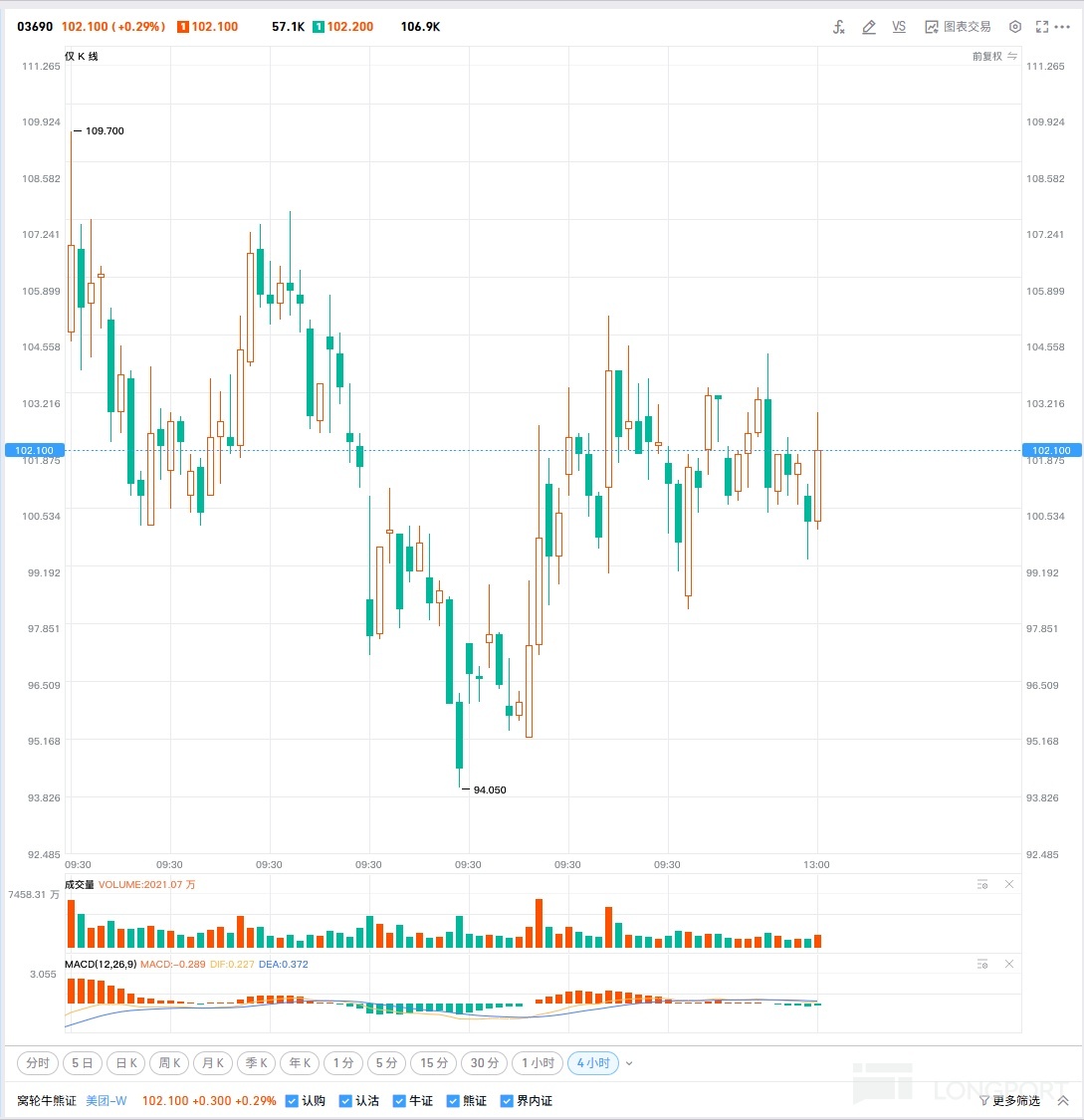
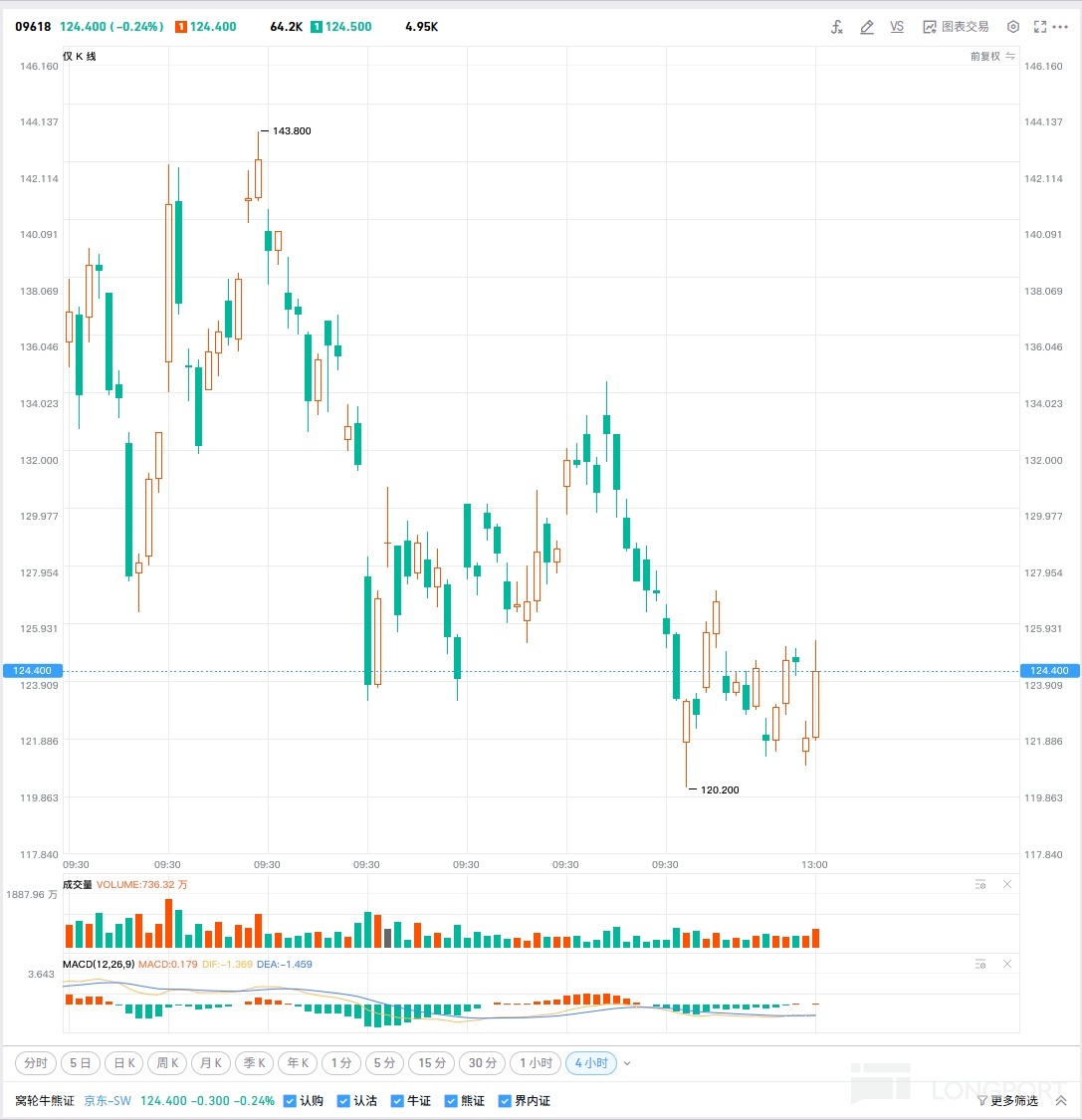
Hong Kong stocks: Logic unchanged, just hold steady
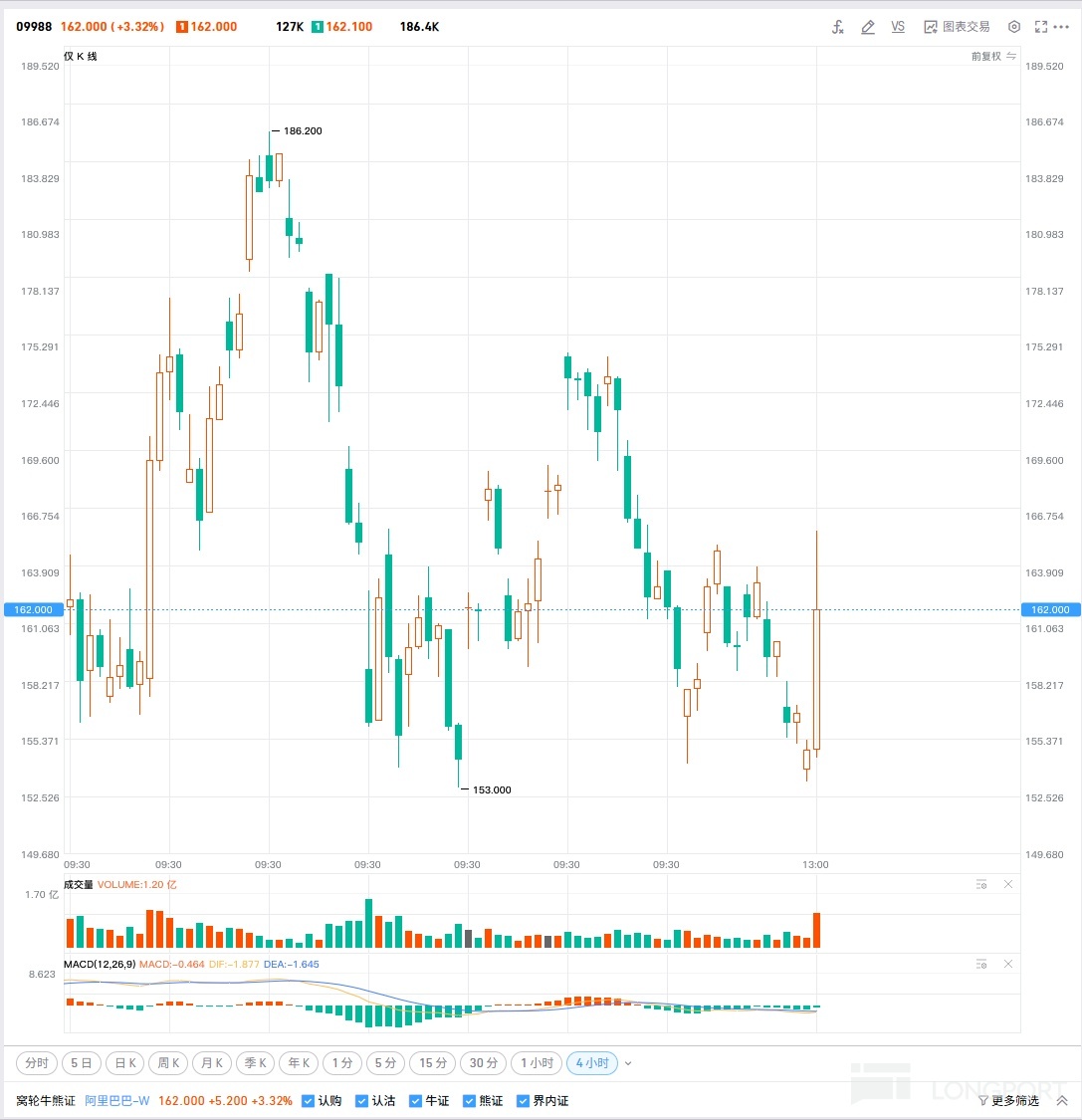
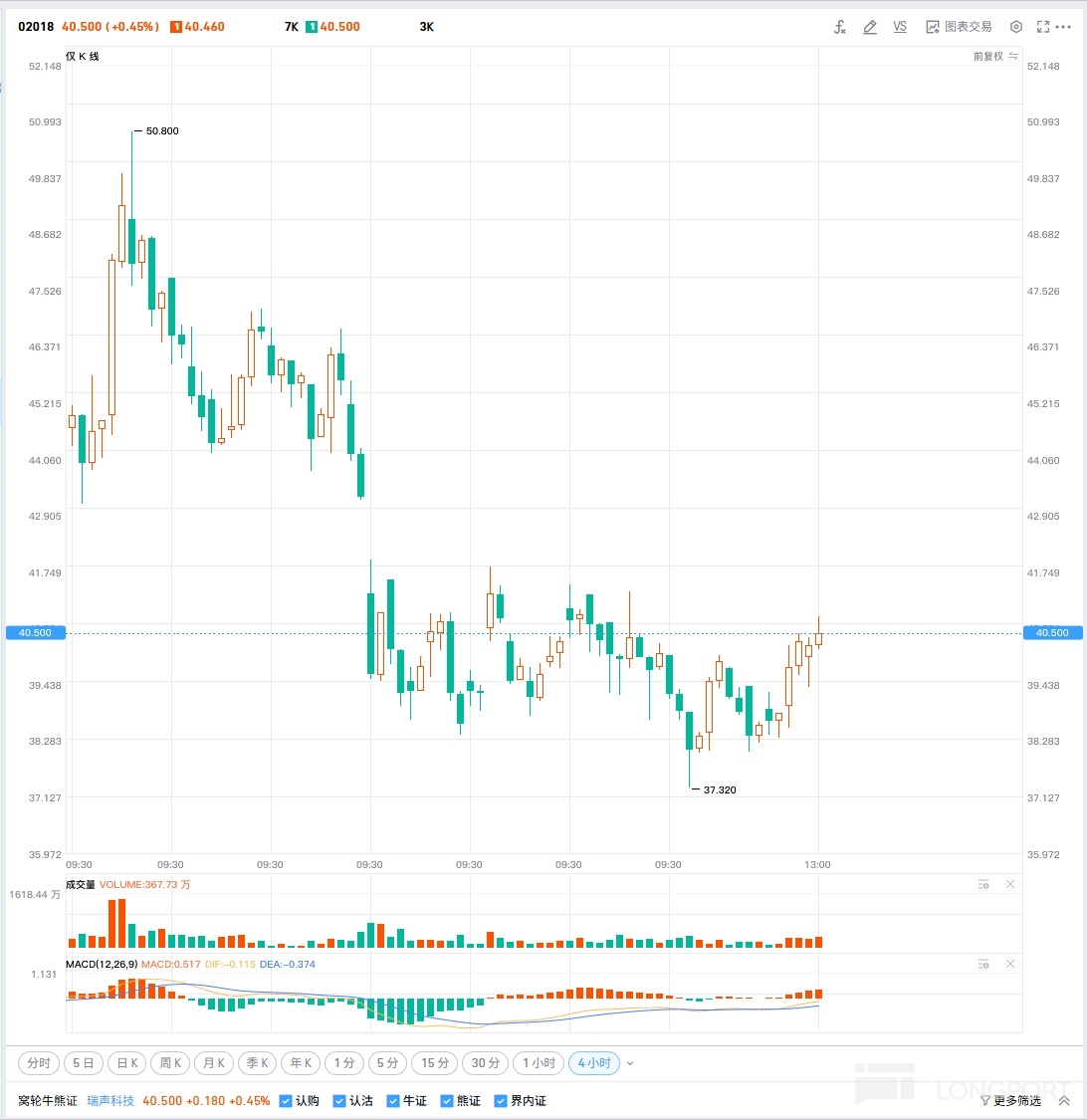
$MEITUAN(03690.HK) , $JD-SW(09618.HK) , $BABA-W(09988.HK) , $AAC TECH(02018.HK) —these long-term plays, just follow the previous strategy and execute steadily.
The logic is still there, and the rhythm is normal. AAC and Alibaba have been performing well recently—just let them play out.
U.S. stocks: No position, no action
For U.S. stocks, my stance remains—wait for the right level, don't act recklessly.
$Tesla(TSLA.US) 's recent rebound feels more like a concentrated release of bullish sentiment—not sustainable.
$NVIDIA(NVDA.US) 's volatility today is mostly about killing options—better to stay out.
I'm still holding my $Apple(AAPL.US) short at 265—the logic hasn't changed.
I've already taken profits on $Amazon(AMZN.US) —next opportunity will come.
Quick summary
The market isn't a black-and-white math problem—it's a psychological battle with vast shades of gray.
What you think is "high" might just be the beginning in someone else's eyes; what you think is "low" might not be the bottom. True masters don't predict highs and lows—they stay clear-headed amid volatility and maintain their rhythm. Don't let short-term noise disrupt your mindset; don't let fluctuating prices shake your conviction. When most people are led by market sentiment, calmness becomes your greatest advantage.
The copyright of this article belongs to the original author/organization.
The views expressed herein are solely those of the author and do not reflect the stance of the platform. The content is intended for investment reference purposes only and shall not be considered as investment advice. Please contact us if you have any questions or suggestions regarding the content services provided by the platform.
