

Hong Kong-US Market Review (11.17) Is AI Really a Bubble? The Answer Isn't That Simple

Dear friends, the voices about the "AI bubble" have been overwhelming recently. Last week, the prototype of "The Big Short" just shorted Nvidia, and this week, it accused US tech giants of extending depreciation periods and inflating profits. Then SoftBank liquidated its Nvidia holdings, although SoftBank itself said it wanted to invest the money in OpenAI, but who cares about explanations in the market? Emotions were instantly ignited, with doubts, panic, and skepticism all coming at once, causing the AI sector to fluctuate.
But let's tell the truth: From a valuation perspective, AI is indeed not cheap. But historically—every truly world-changing technological revolution has grown out of a bubble.
A bubble? Yes, but history tells us: a bubble doesn't mean the end
Many people like to treat "bubble" as a negative term, but look back at the internet era of 1999: everyone was shouting "bubble," but that bubble was ridiculously large, far beyond anyone's imagination. The key is—after the internet bubble burst, did the internet have no future? On the contrary, it was Amazon, Google, Tencent and other truly disruptive companies that continued to soar after the bubble, turning all the "overvaluations" into "undervaluations."
So: Human imagination about the future is always insufficient, and our vision is always short-sighted. That's why we missed Amazon, Google, NetEase, and Tencent back then. But let's be clear—don't mistake "industry opportunities" for "every stock has an opportunity." AI will produce super winners but also the next LeEco. The bubble won't tell you where the top is, nor will it tell you where the bottom is. So the core question isn't "is there a bubble," but—do you have the ability to face the bubble?
Facing high emotions, ask yourself these three questions
Whether you're in AI, Hong Kong stocks, or US stocks, when facing market frenzy, you must ask yourself:
1) Did I buy because I truly understand its value? Or because the news is hyping it and everyone around me is buying?
2) If there's a 20%-40% pullback, can I still make independent judgments? Instead of panicking and following the crowd.
3) When the market falls, do I have the courage to add to my position? Or do I only dare to chase rallies?
These three questions determine whether you can truly ride the future wave or get crushed by it.
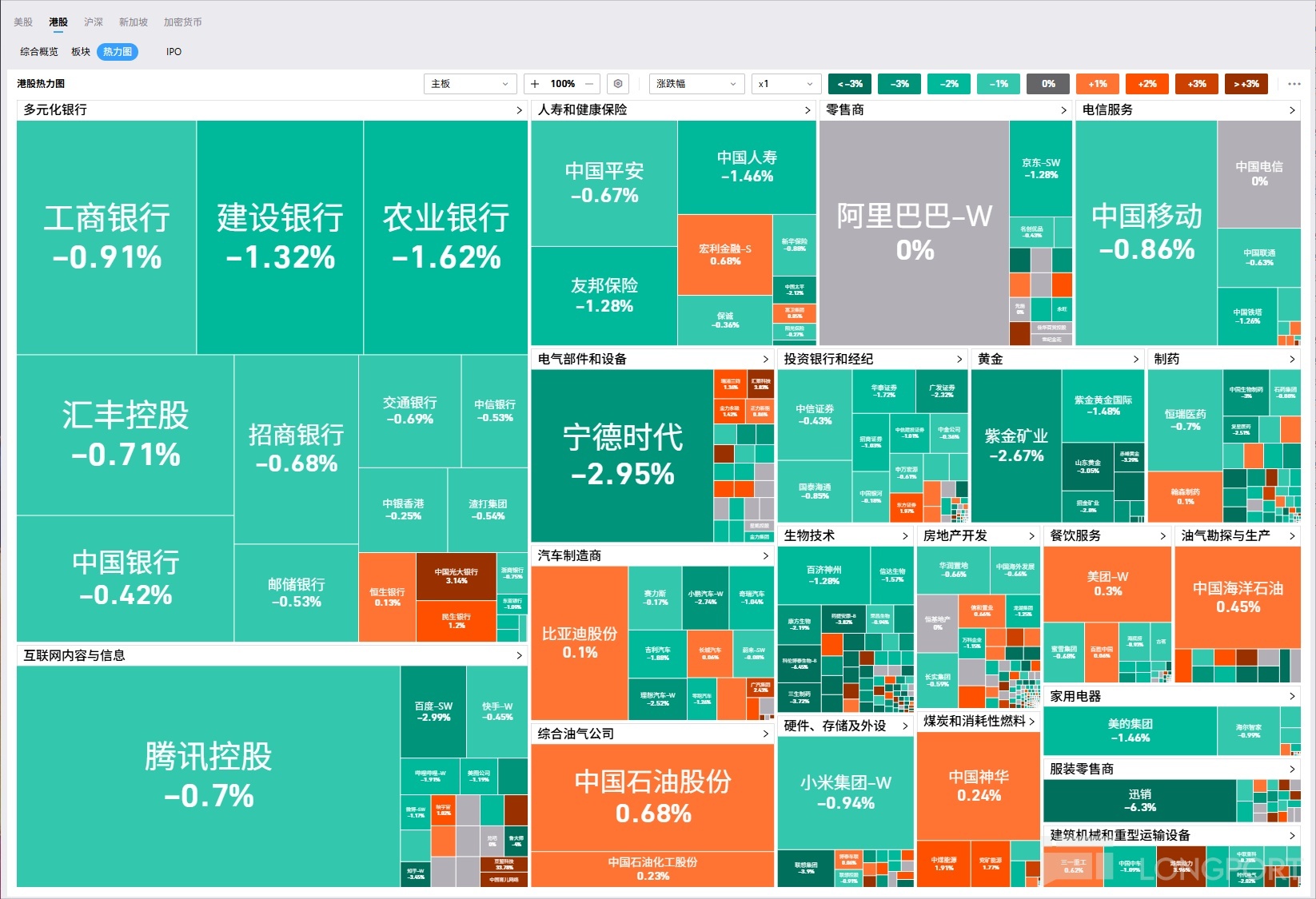
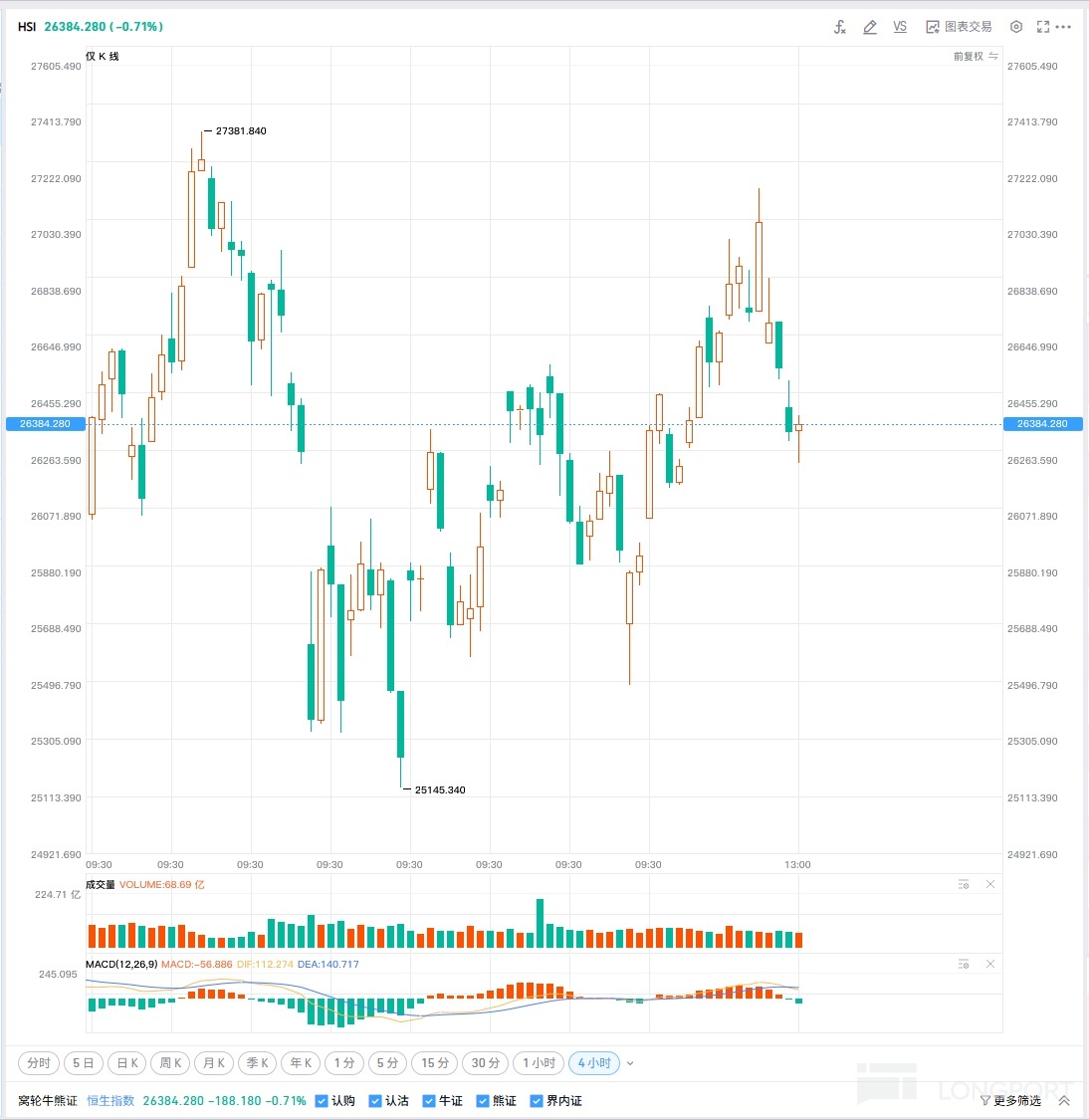
$Hang Seng Index(00HSI.HK) : The trend is intact, the pullback is just waiting for the "boarding zone"
Back to Hong Kong stocks. For the Hang Seng Index, my old saying still holds: Ignore short-term fluctuations, focus on long-term trends. Even if the market fluctuates, as long as each wave is higher than the last, there's no need to worry. This pullback is normal, and my judgment remains—returning to around 26,000 is a reasonable level before moving higher. The logic hasn't changed, and the trend is intact.
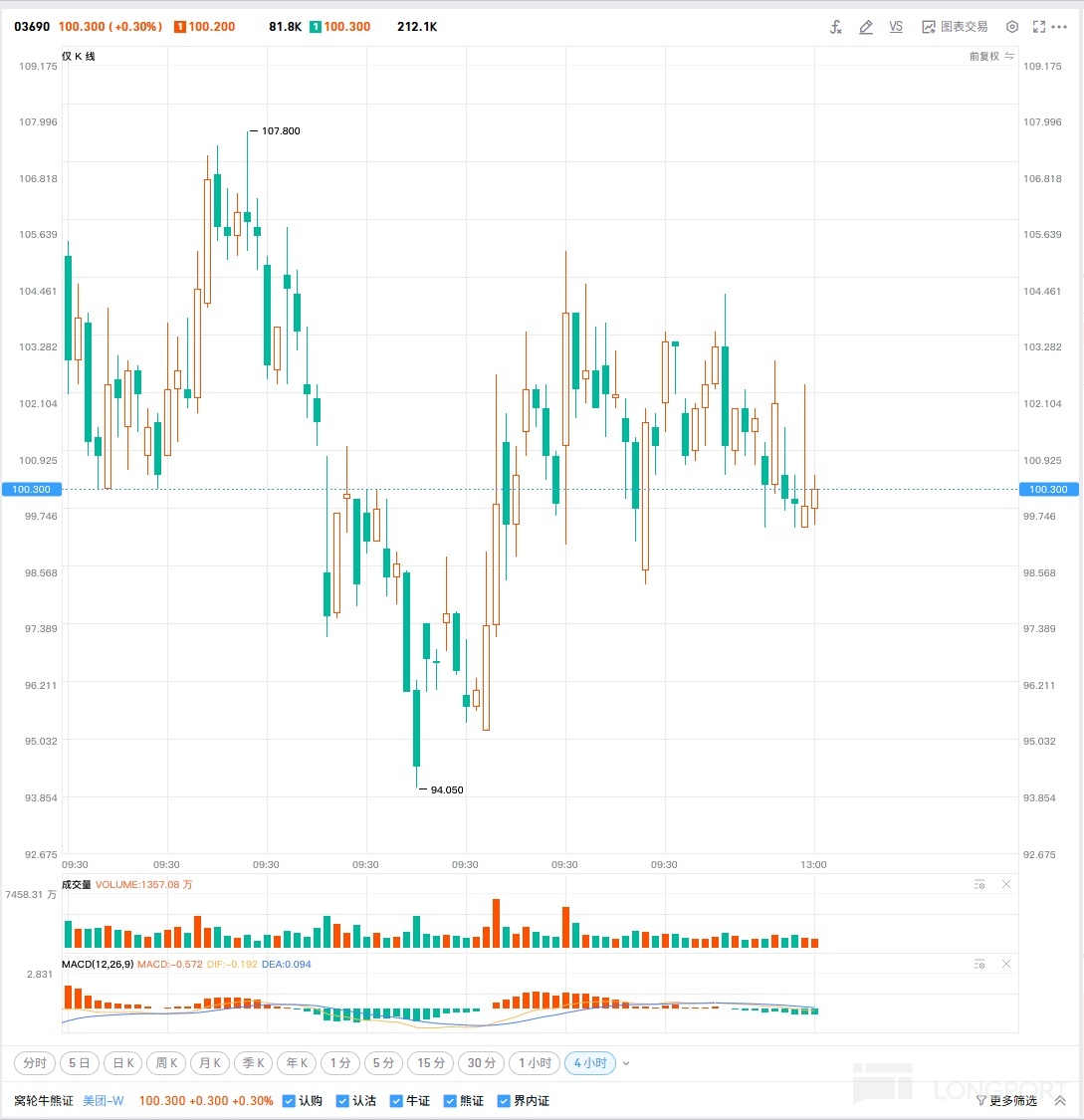
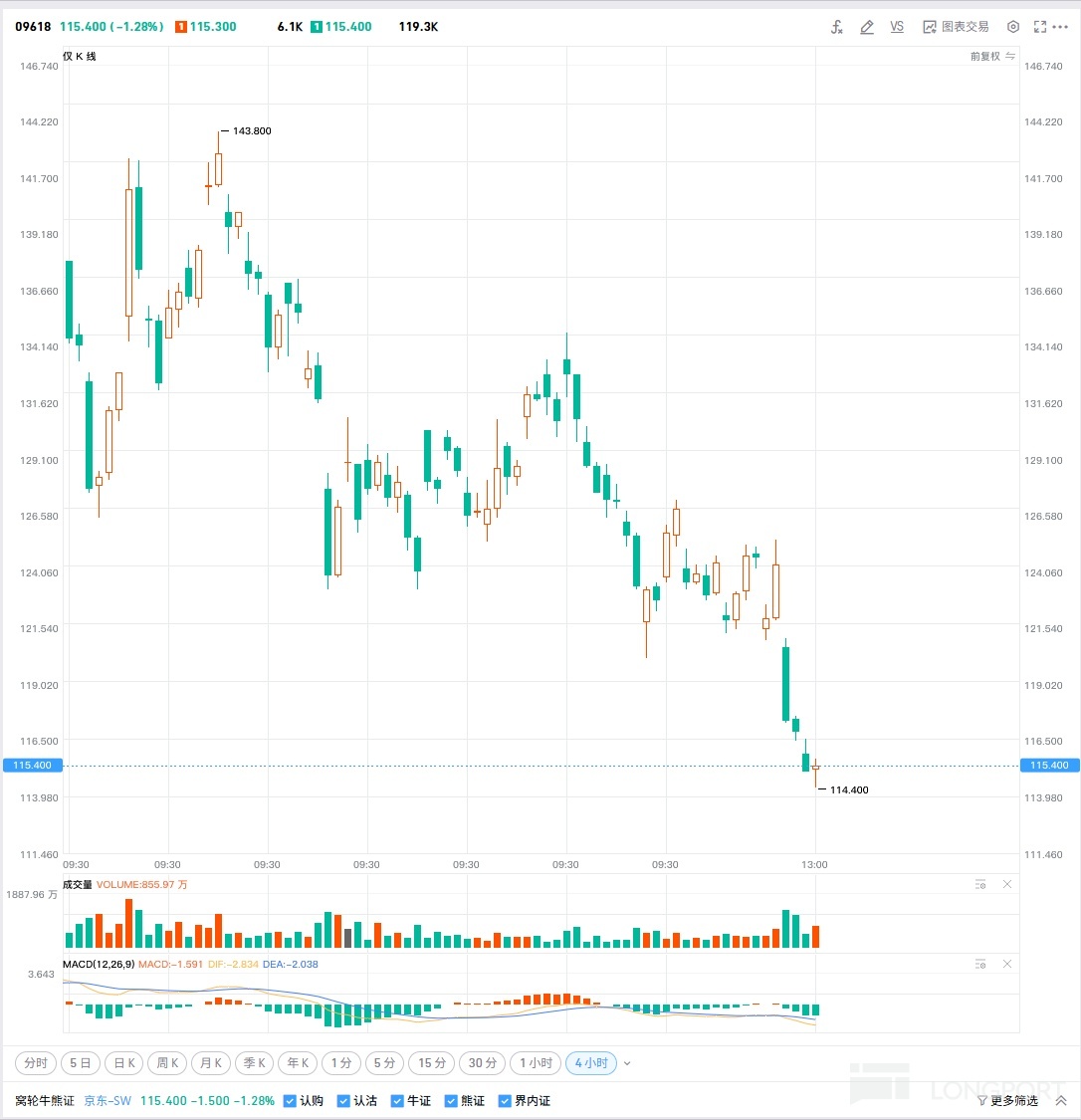
Hong Kong stocks: Just follow the strategy, no need to panic
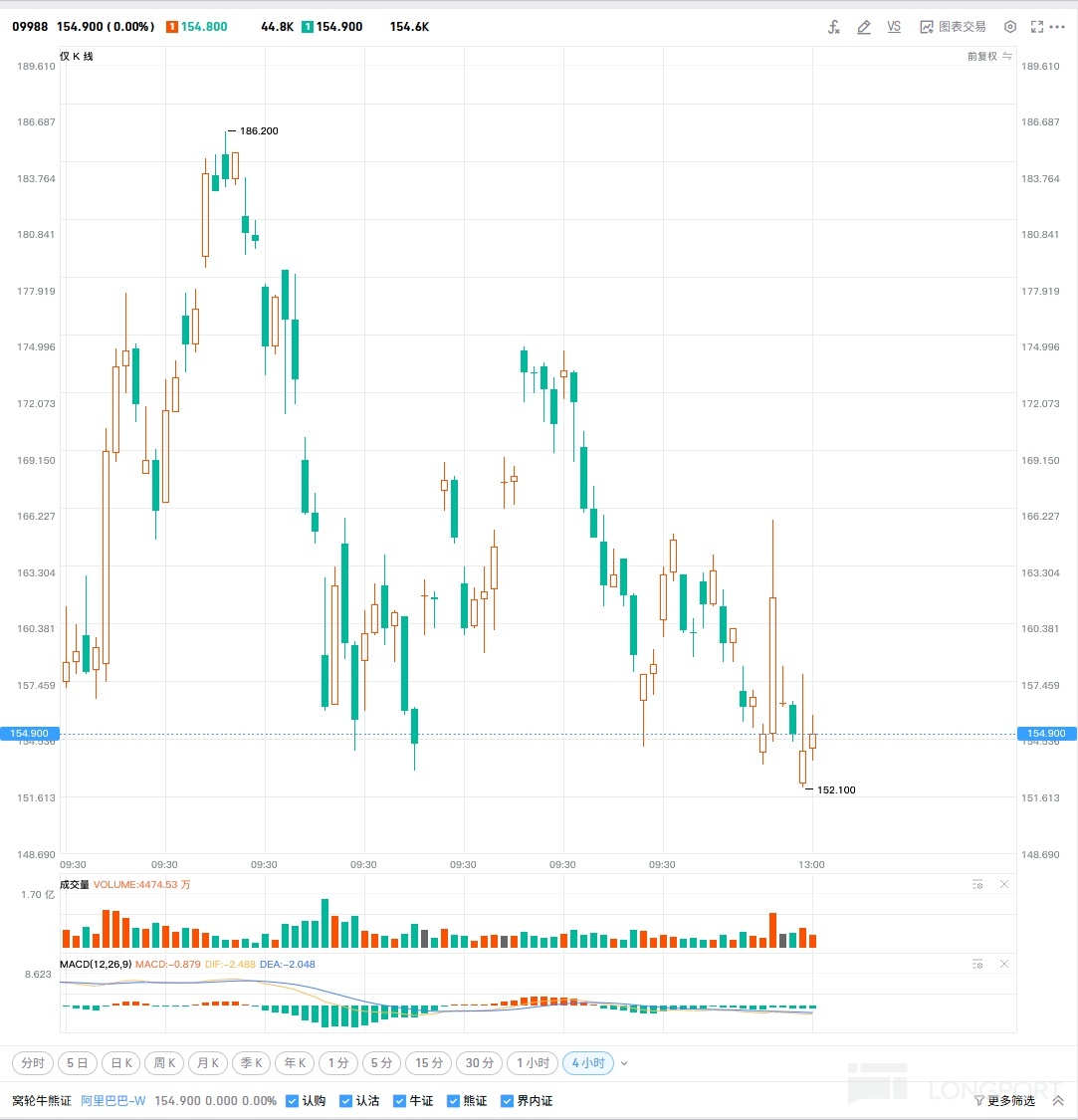
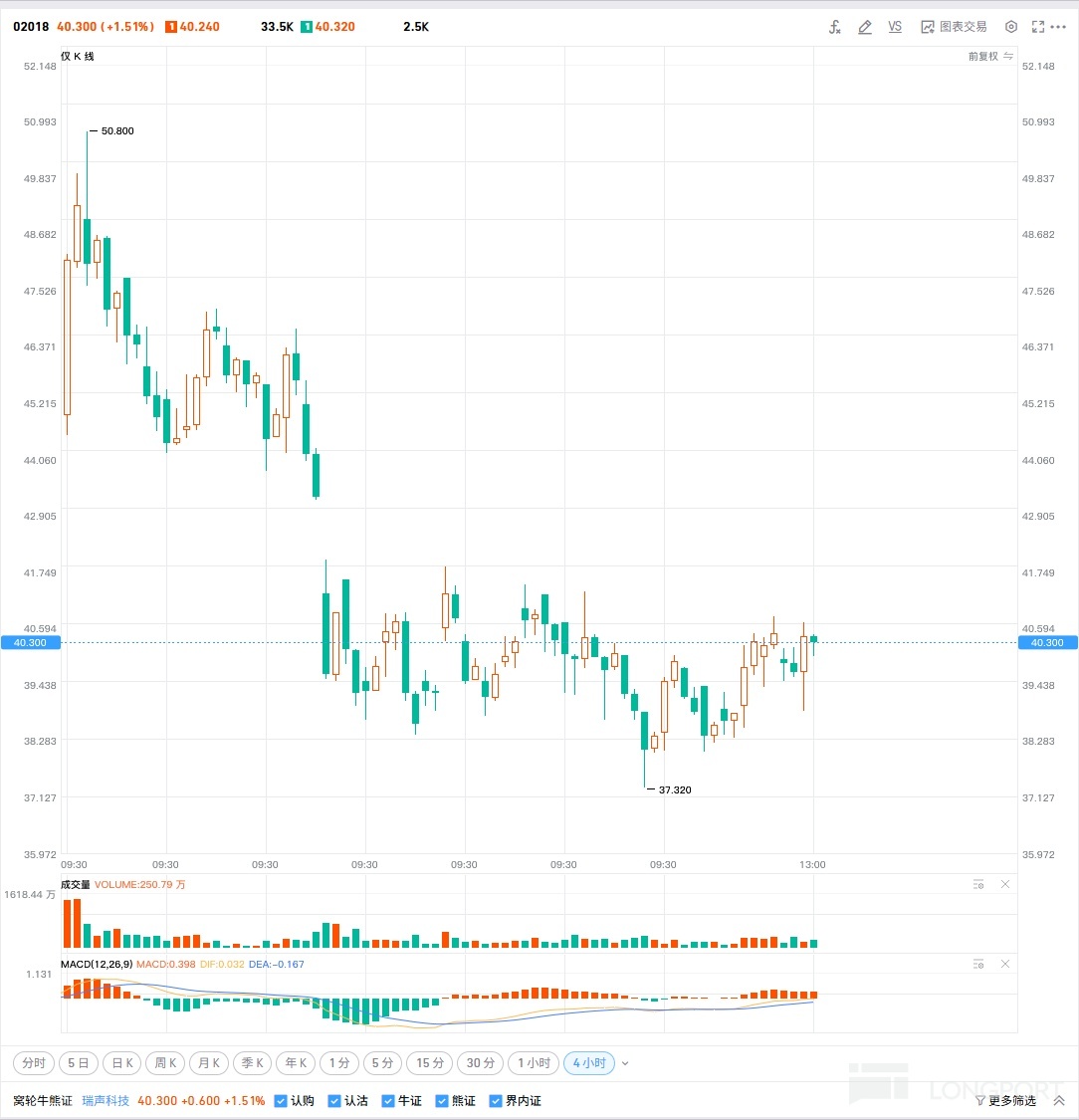
$MEITUAN(03690.HK) , $JD-SW(09618.HK) , $BABA-W(09988.HK) , $AAC TECH(02018.HK) —these are our long-term holdings. Just follow the strategy step by step, and everything is within the expected rhythm.
US stocks: If you're not in position, don't act recklessly
I remain patient with US stocks.
$Tesla(TSLA.US) —I said before that this rebound is more like a concentrated release of emotions and lacks sustainability.
$NVIDIA(NVDA.US) —I'll continue to look for short opportunities, but I'll wait for signals and not act blindly.
$Apple(AAPL.US) —I'm still holding the short position at 265, and the logic is solid.
$Amazon(AMZN.US) —I've already closed the position with a profit and am waiting for the next opportunity.
A simple summary
Is AI a bubble? Maybe. But a bubble doesn't mean danger—it often means "the wave has arrived." What matters isn't the bubble, but: Can you maintain independent judgment amid volatility? Can you stay calm in panic and not hesitate when opportunities arise? The Hang Seng Index's trend is intact, individual stock logic is stable, and US stocks are still waiting for the right levels. It's that simple.
The copyright of this article belongs to the original author/organization.
The views expressed herein are solely those of the author and do not reflect the stance of the platform. The content is intended for investment reference purposes only and shall not be considered as investment advice. Please contact us if you have any questions or suggestions regarding the content services provided by the platform.
