

HK-US Market Review (11.18) Global simultaneous decline? Don't panic, the underlying causes are clear

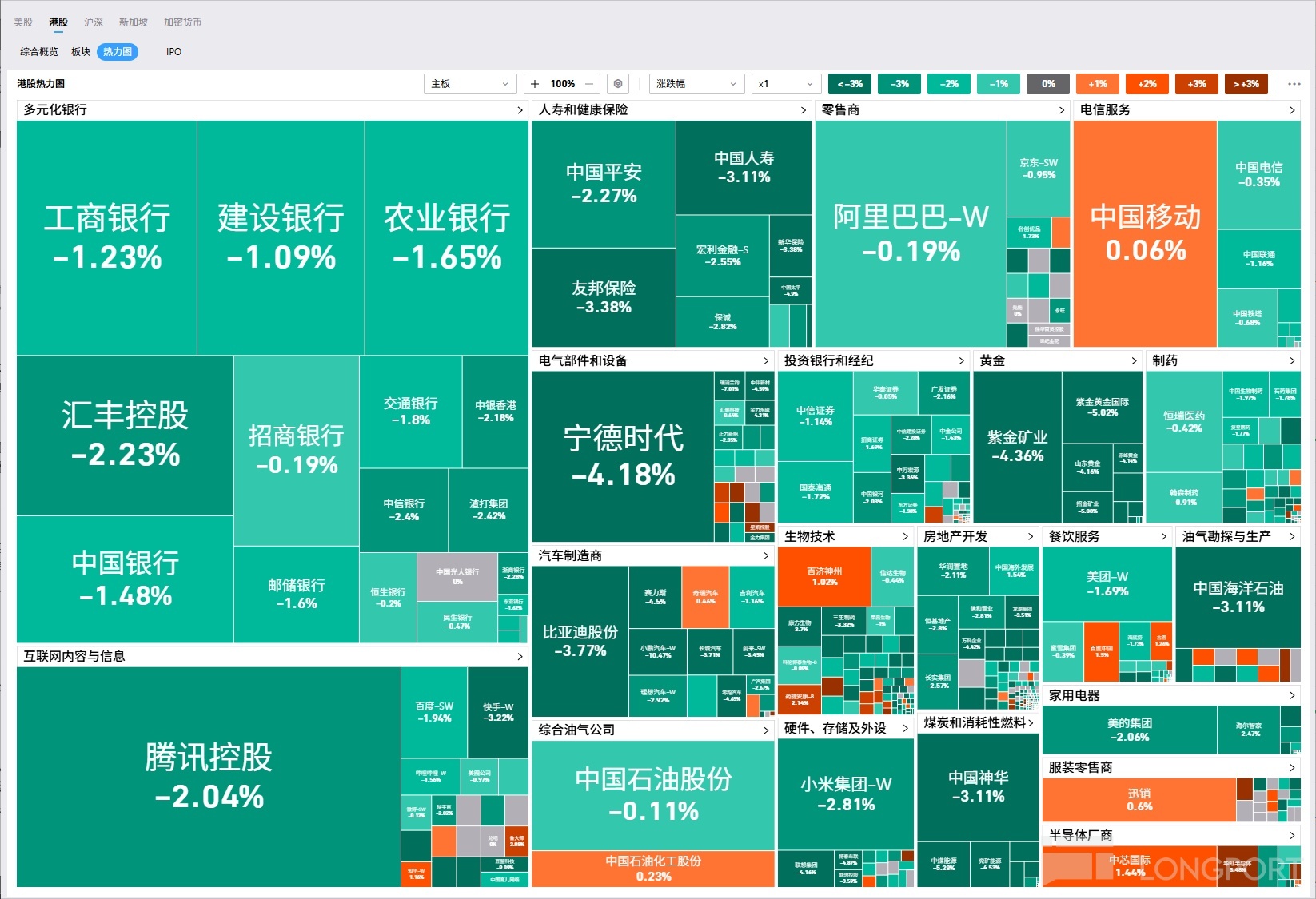
Friends, today a friend said: "Why does it feel like the global markets are all falling?" I told him—this is not a "feeling," this is a fact. To be honest, this kind of scenario where global stock markets and commodity markets are all in the red is something we haven’t seen in a long time. But it’s not without reason—there are two main factors behind it: the Federal Reserve and the Japanese government.
1. The Federal Reserve: From "Definitely Cutting Rates" to "Uncertain"
The most significant change in the market over the past two days is the sudden collapse of rate-cut expectations. Previously, the probability of a 25bp rate cut by the Fed in December was as high as 94%, but now it has dropped below 50%. What does this mean?—The market has gone from "definitely cutting" to "completely uncertain." Moreover, there is now a huge divergence within the Fed:
- Doves: Cut rates by 50bp directly
- Hawks: Inflation is too high; some even think no rate cuts are needed before the first half of 2026
In such a situation, how can global capital not panic? Liquidity was supposed to ease, but now it’s suddenly become uncertain, and it’s inevitable that global assets would come under pressure.
2. The Japanese Government: Forced Unwinding of Yen Carry Trades
Another, more easily ignored reason is Japan. New Prime Minister Sanae Takaichi is preparing to roll out a massive ¥17 trillion fiscal stimulus, even larger than last year’s. This is because Japan’s Q3 GDP shrank by 1.8%, and exports continue to weaken due to U.S. tariffs. As a result—the yield on Japan’s 10-year government bonds briefly surged to 1.75%, nearing a record high since 2008.
This means:
- Yen-denominated assets are becoming increasingly attractive
- The cost of borrowing in yen is rising
- Global funds engaged in "yen carry trades" are being forced to unwind
And what does unwinding mean? It means selling all assets, converting them back to yen, and repaying debts. So it’s a normal reaction for assets everywhere to fall together.
3. Short-Term Volatility Increases, But Long-Term Opportunities Remain Unchanged
Although these macro factors are uncontrollable in the short term, remember one thing: Fluctuations in Fed rate-cut expectations ≠ a change in direction. The market is spooked in the short term, but easing is still the long-term trend. Japan’s stimulus plan is still in the planning stage, and the current reaction is more emotional. China’s economy remains independent, and the long-term opportunities in A-shares and Hong Kong stocks still outweigh the risks. In other words: this current drop is an emotional correction triggered by a concentration of macro factors, not a collapse.
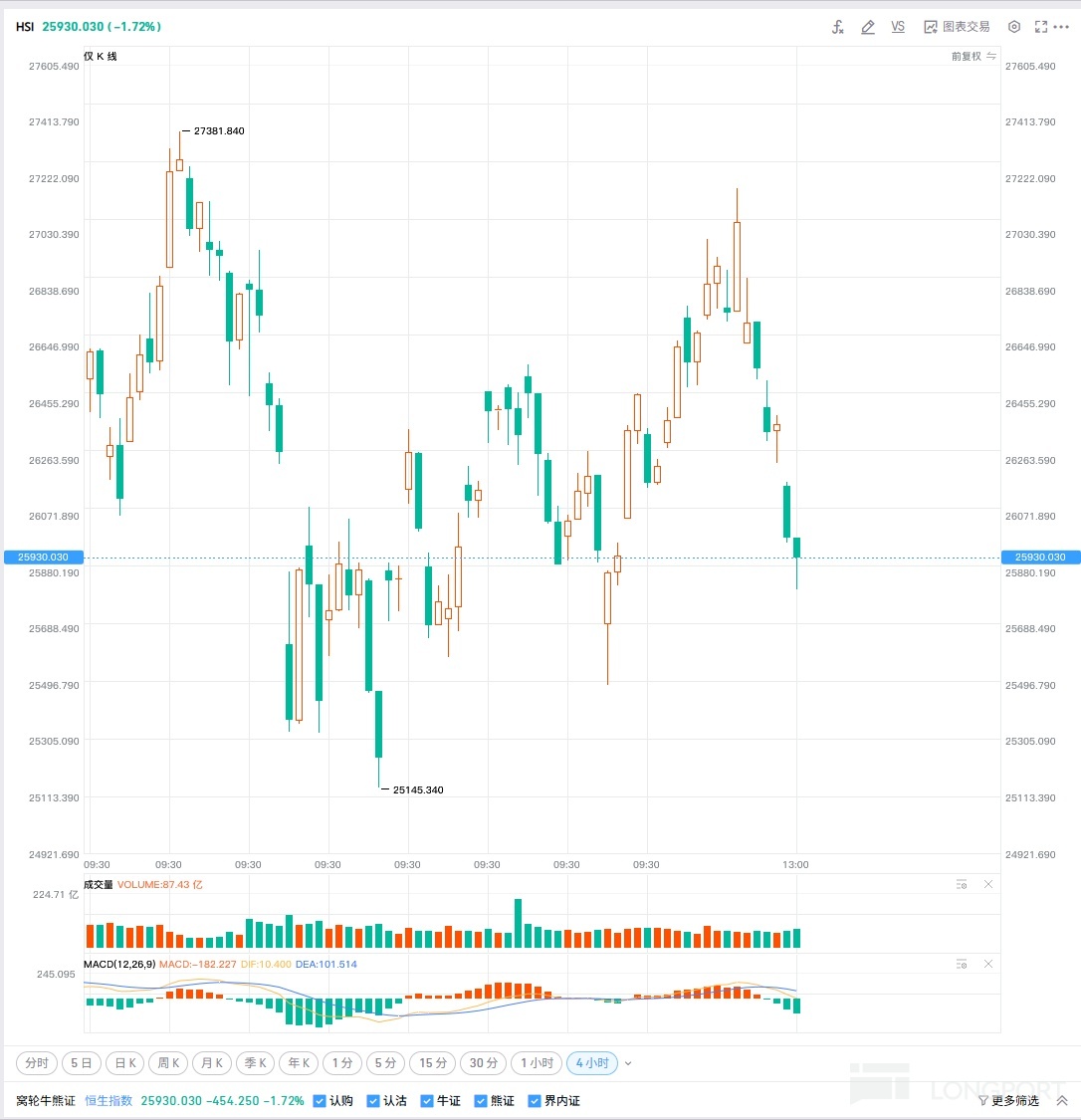
$Hang Seng Index(00HSI.HK) : The trend isn’t broken; short-term volatility is just "collateral damage"
The Hang Seng’s movement today is typical—the two factors above combined have increased the risk of uncontrollable short-term pullbacks. In the morning, I thought the 26,000 level would hold, but it continued to drop in the afternoon, so I immediately dug deeper into the reasons, which are the global factors mentioned above. But the core logic remains unchanged: As long as the waves keep getting higher, there’s no need to worry about short-term fluctuations.
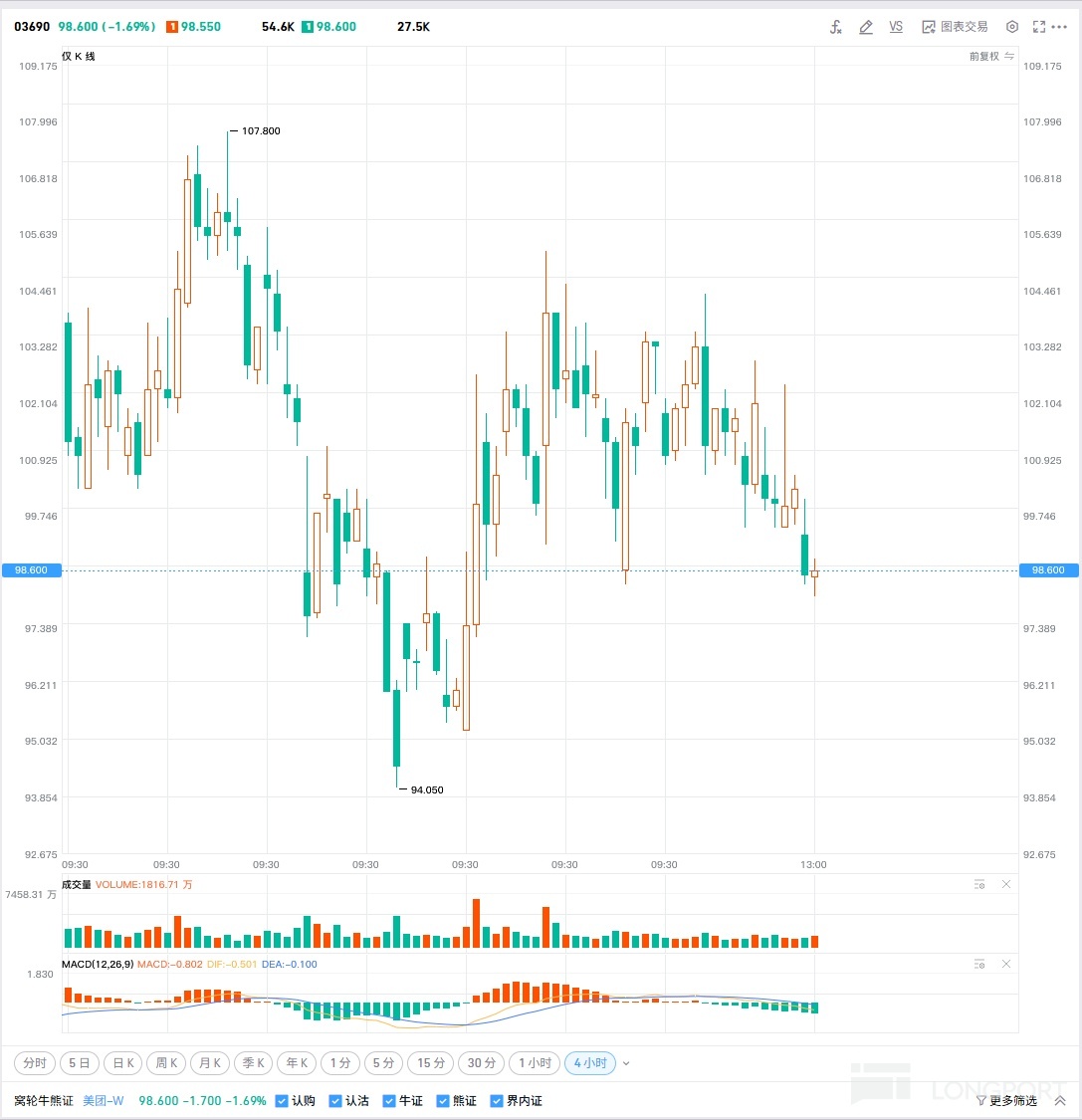
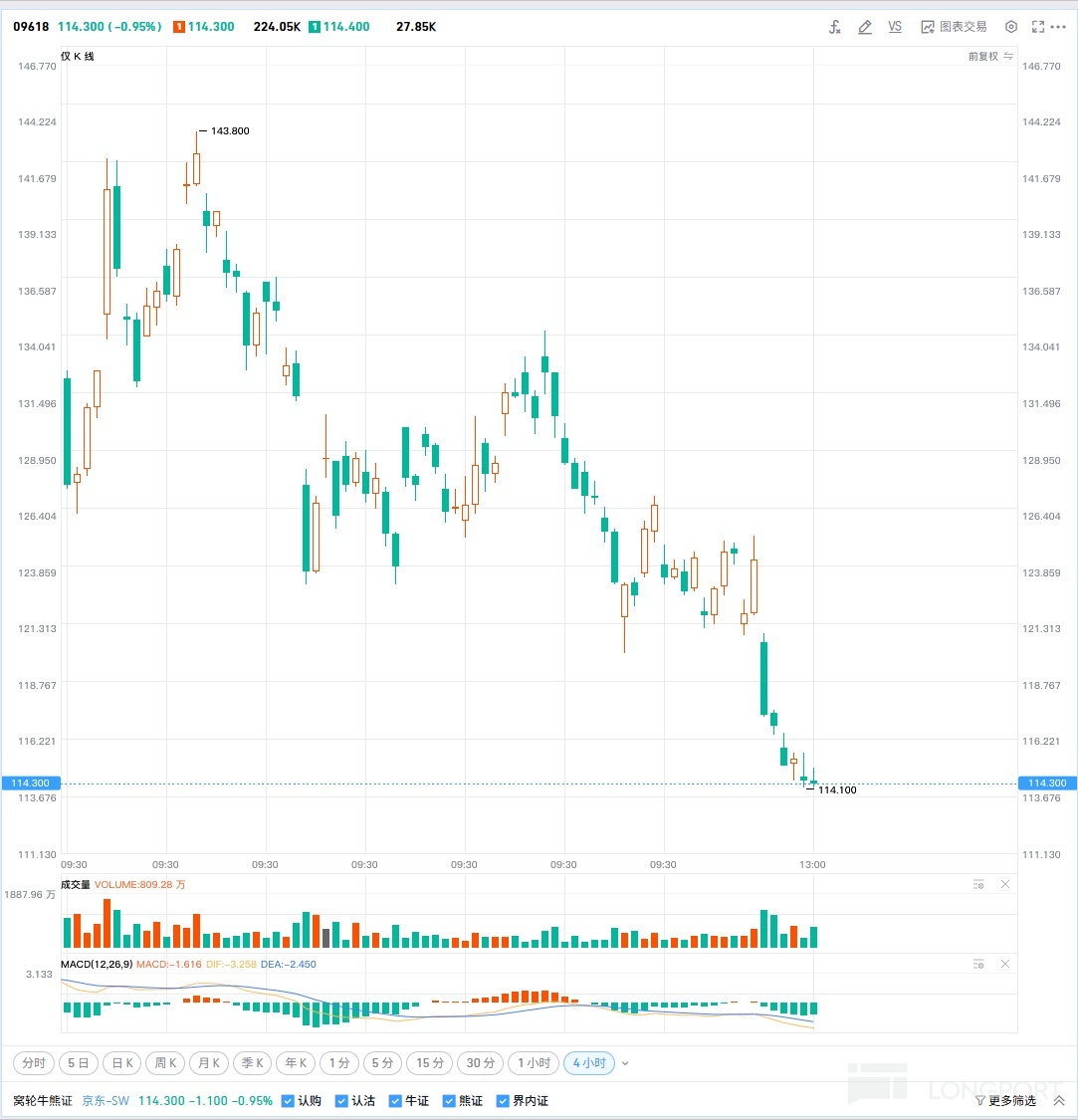
Hong Kong Stocks: A Buying Opportunity After the Macro Sell-Off
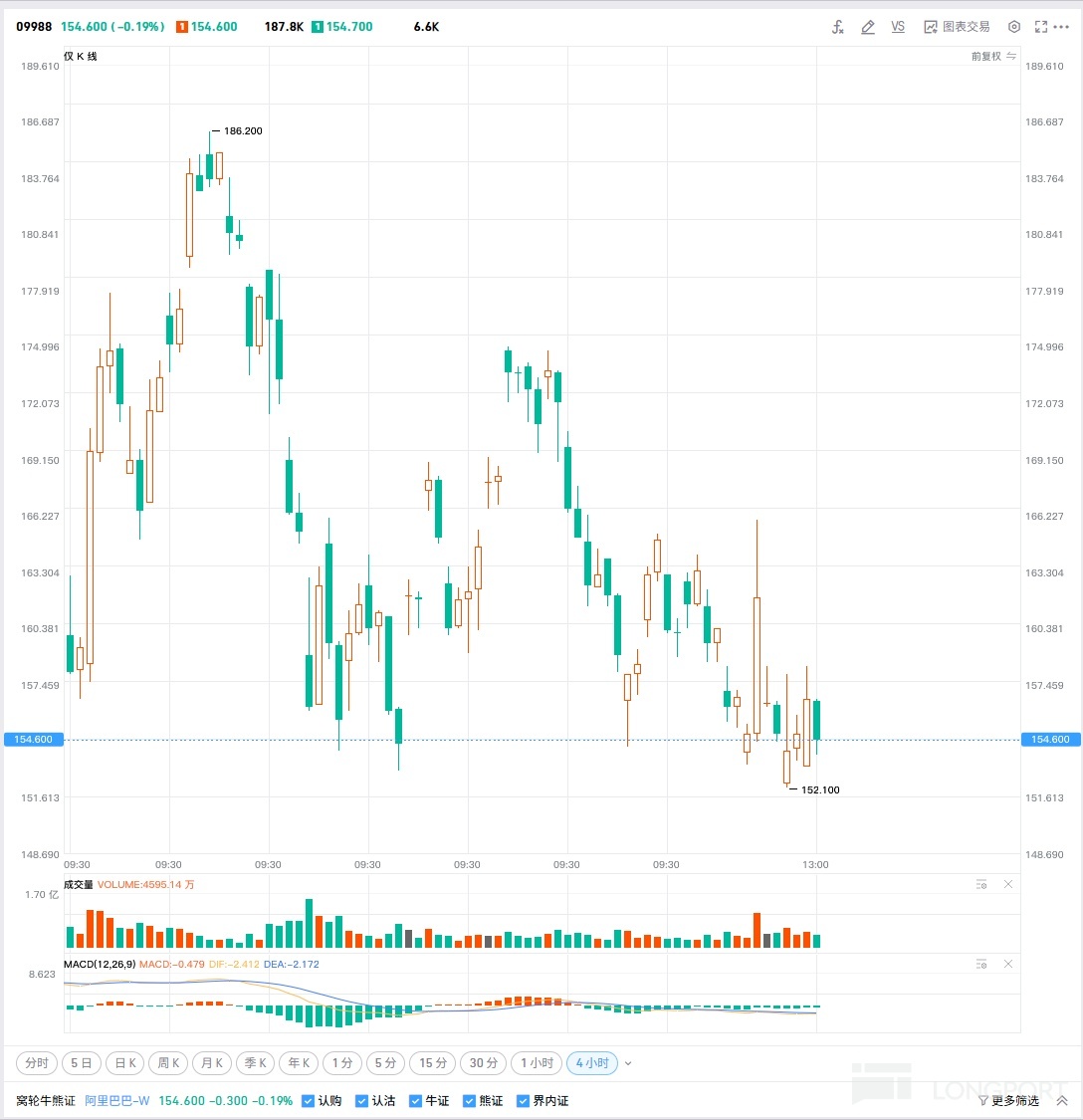
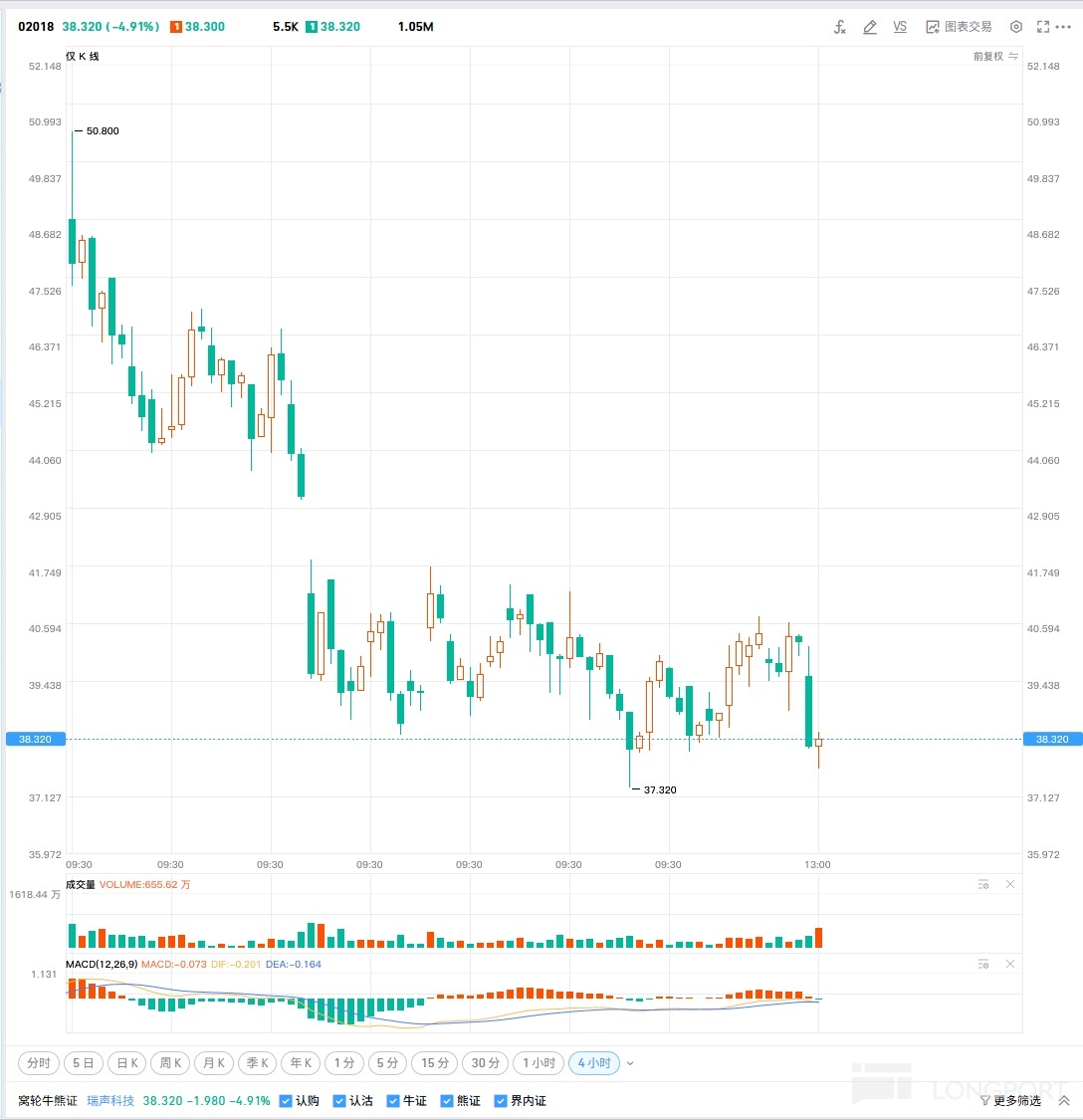
$MEITUAN(03690.HK) , $JD-SW(09618.HK) , $BABA-W(09988.HK) , $AAC TECH(02018.HK) today’s declines were largely dragged down by macro factors. But I actually think: Once the market stabilizes, this will be a great buying opportunity. The logic isn’t broken; it’s just a macro hit to the rhythm.
U.S. Stocks: Still Waiting for the Right Entry, No Forced Moves
I remain patient with U.S. stocks for a simple reason: There’s no suitable price.
- $Tesla(TSLA.US) : If I had to trade, shorting still seems more appropriate.
- $NVIDIA(NVDA.US) : Still looking for shorting chances.
- $Apple(AAPL.US) : I’m still holding my short position at 265.
- $Amazon(AMZN.US) : After breaking below 230, we already took profits at 255 and are now just waiting for the next opportunity.
A Quick Summary
Today’s simultaneous global sell-off is not an accident—it’s a chain reaction caused by the repricing of global liquidity.
But—the long-term trend isn’t broken, and the future opportunities for Chinese assets still outweigh the risks. The short-term pullback is just a shakeout, not a change in direction. Individual stock logic remains solid, and U.S. stocks just need patience for the right entry. The market isn’t over yet; opportunities are just beginning.
The copyright of this article belongs to the original author/organization.
The views expressed herein are solely those of the author and do not reflect the stance of the platform. The content is intended for investment reference purposes only and shall not be considered as investment advice. Please contact us if you have any questions or suggestions regarding the content services provided by the platform.
